
Why Your Conversion Rates Are Dropping (And How Economic Shifts Are Changing Consumer Behavior)

Why Your Conversion Rates Are Dropping (And How Economic Shifts Are Changing Consumer Behavior)

heroImage

Conversion rates across digital marketing channels are experiencing unprecedented challenges in 2025. Small businesses are witnessing their carefully optimized funnels suddenly underperform, with some seeing drops of 20-40% compared to pre-2024 levels. The culprit isn’t just your marketing strategy: it’s a fundamental shift in how consumers approach purchasing decisions amid ongoing economic uncertainty.

Understanding these changes isn’t optional anymore. Businesses that adapt their digital marketing approach to match new consumer psychology will thrive, while those clinging to outdated strategies will continue watching their conversion rates decline.

The New Economic Reality Reshaping Consumer Behavior

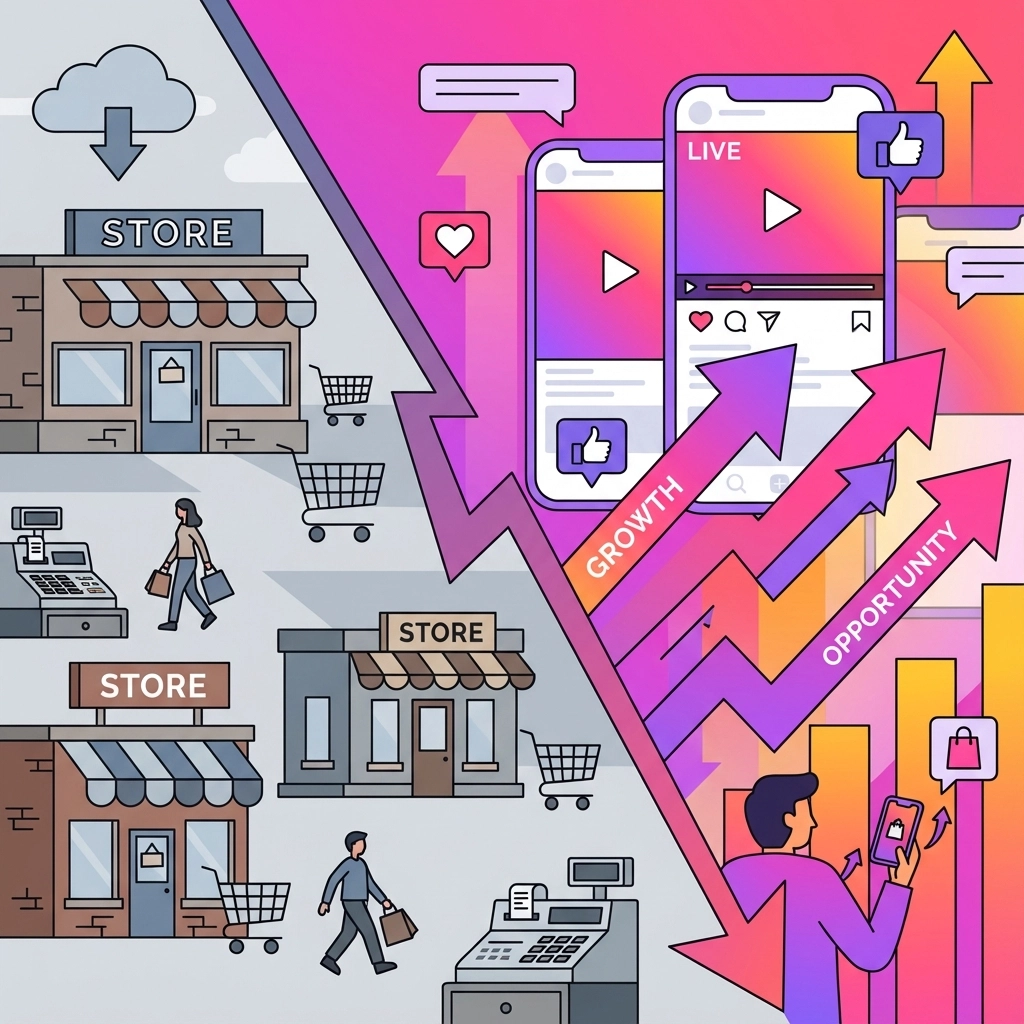
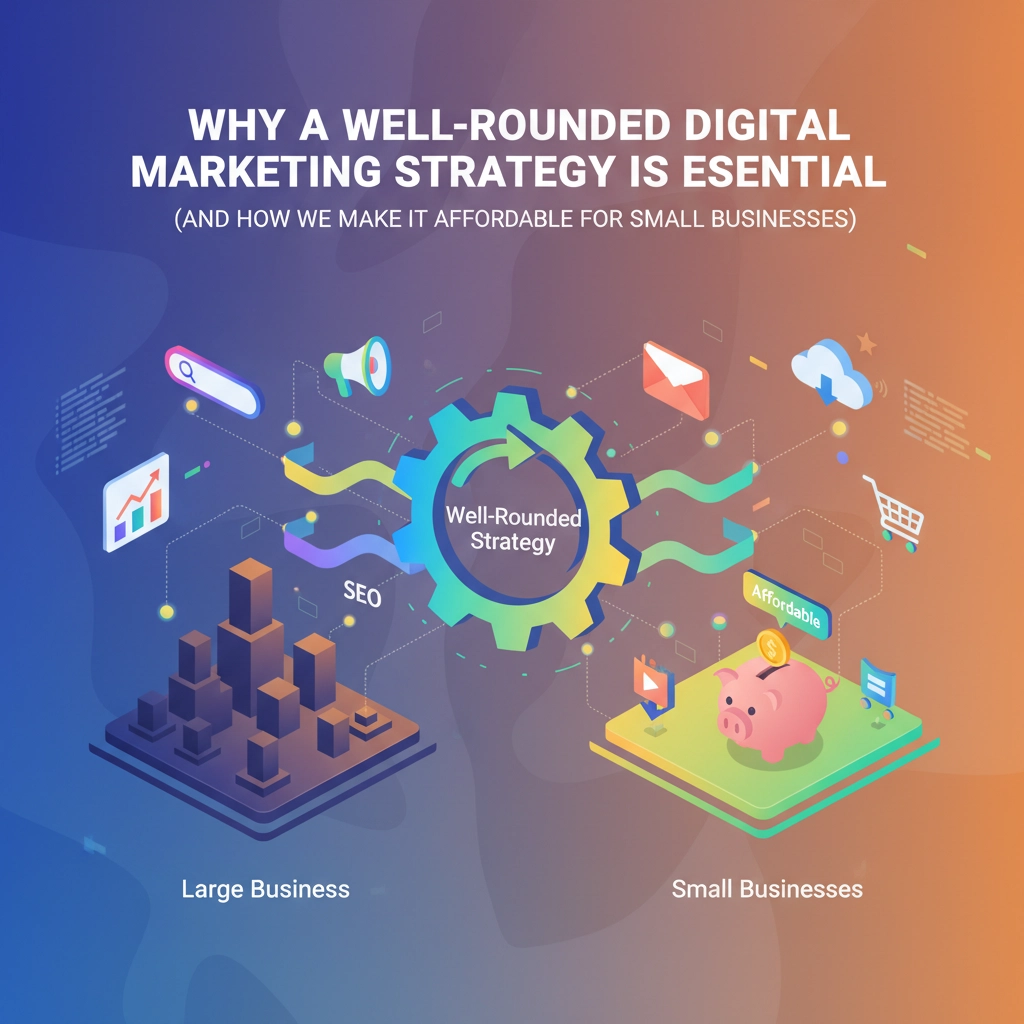
The economic landscape of 2025 presents unique challenges that directly impact how consumers interact with digital marketing. Persistent inflation concerns, combined with market volatility and employment uncertainty, have created a cautious consumer base that approaches every purchase decision with heightened scrutiny.

Research indicates that 55% of consumers are actively cutting back on discretionary spending, with 40% of US consumers focusing exclusively on essential purchases to maximize their savings. This isn’t temporary belt-tightening: it represents a fundamental behavioral shift that affects conversion rates across all industries, from luxury goods to everyday services.

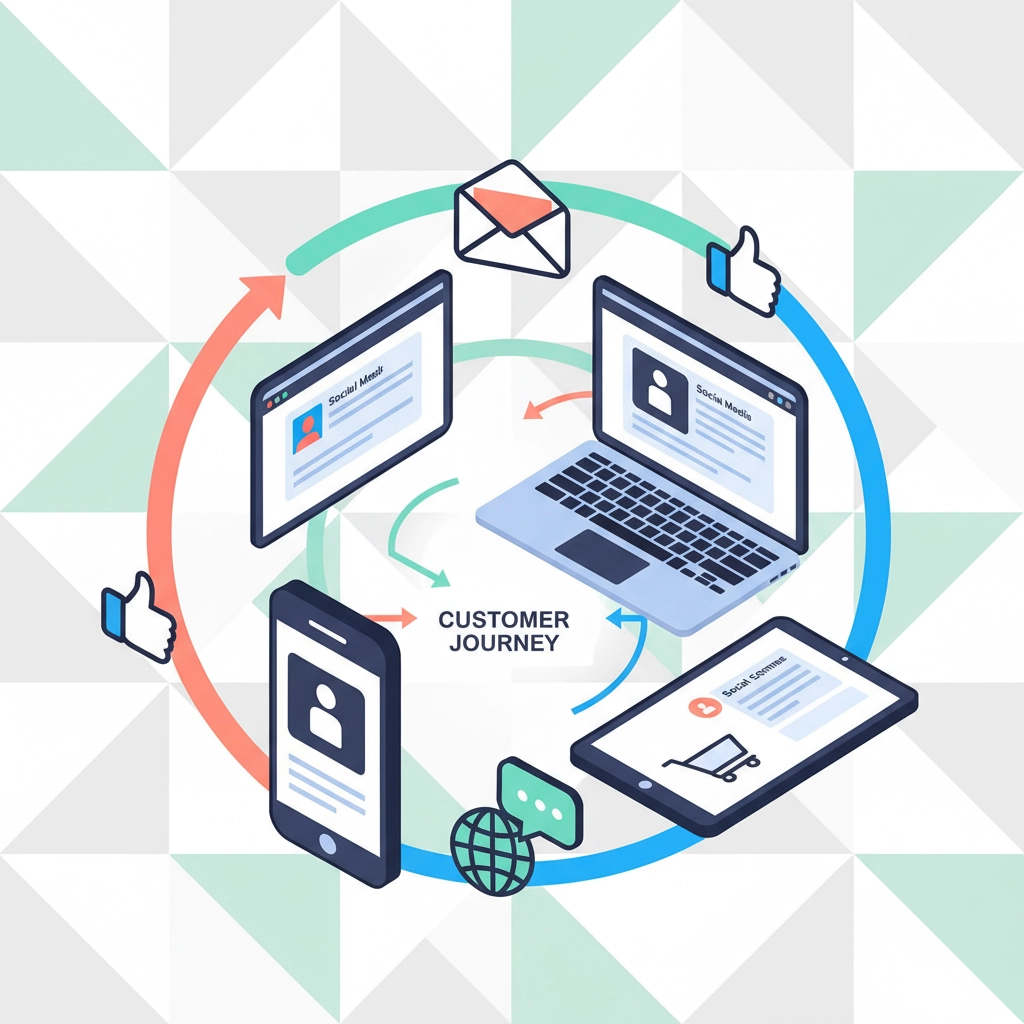
The psychological impact extends beyond immediate spending cuts. Consumers now conduct significantly more research before making purchases, extending buying cycles and creating multiple touchpoints before conversion. They’re comparison shopping more aggressively, reading reviews more thoroughly, and seeking social proof before committing to any expenditure.

image_1

How AI Shopping Tools Are Changing Purchase Behavior

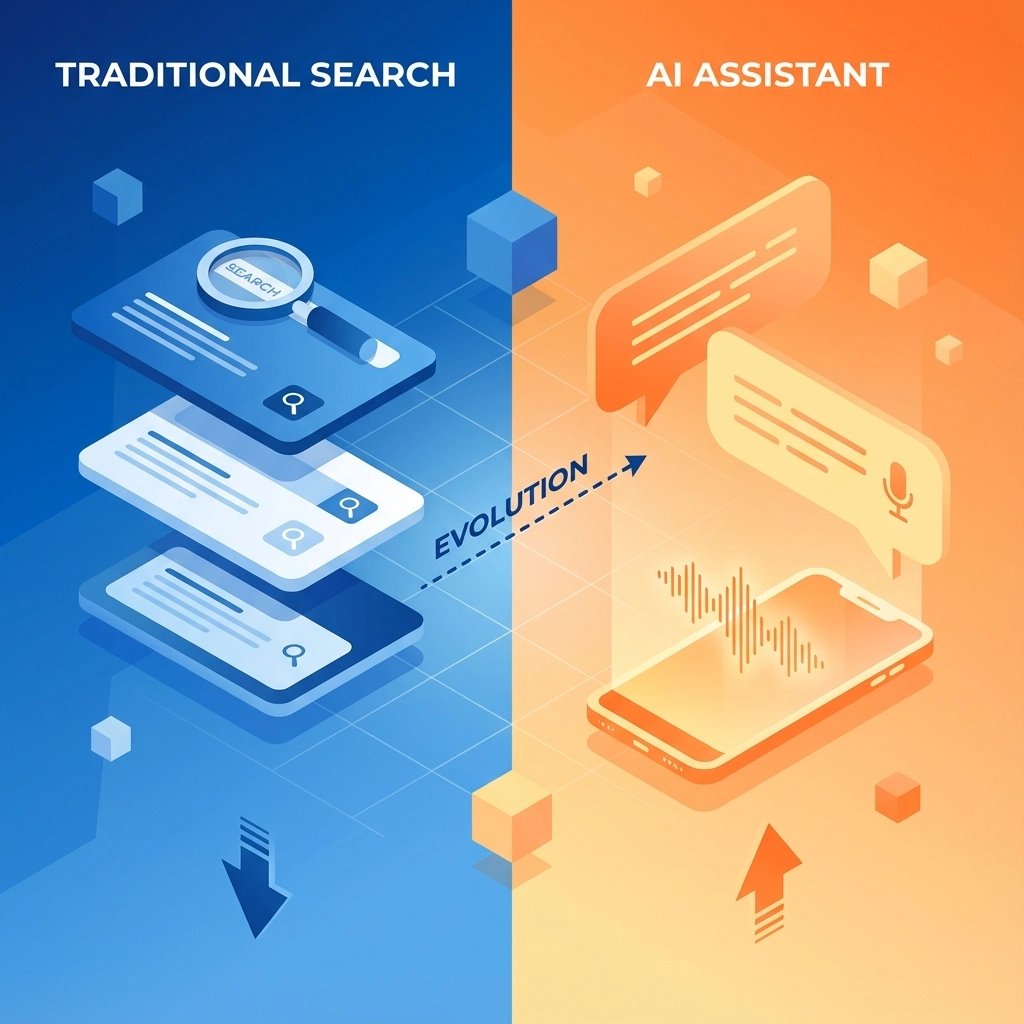
The integration of AI-powered shopping assistants and comparison tools has revolutionized how consumers evaluate products and services. ChatGPT, Google’s AI Overviews, and specialized shopping AI tools now provide instant price comparisons, feature analyses, and alternative recommendations that previously required hours of manual research.

This technological shift means consumers arrive at your website already armed with extensive knowledge about competitors, pricing, and alternatives. They’re no longer browsing to learn: they’re browsing to validate decisions they’ve already partially made through AI assistance.

The result is a more informed but paradoxically more indecisive consumer base. AI tools present so many options and considerations that decision fatigue becomes a significant conversion barrier. Visitors may engage deeply with your content but leave without converting because they’ve been presented with too many alternatives to evaluate.

Technical Performance Issues Compound Economic Pressure

Website performance issues that might have been overlooked during prosperous economic periods now become conversion killers. When consumers are cautious about spending, any friction in the user experience provides an excuse to abandon the purchase.

Research shows that 70% of consumers report slow website loading times negatively affect their willingness to buy. In today’s economic climate, this percentage likely increases as consumers use technical issues as justification for delaying or avoiding purchases altogether.

Common technical issues destroying conversion rates include:

  • Slow page load times exceeding 3 seconds
  • Broken checkout processes with error messages
  • Payment gateway failures or limited payment options
  • Non-responsive design elements on mobile devices
  • Complex forms requiring excessive information
  • Intrusive pop-ups disrupting the user experience

These technical barriers combine with economic hesitancy to create a perfect storm for conversion rate decline.

The Quality vs. Quantity Traffic Challenge

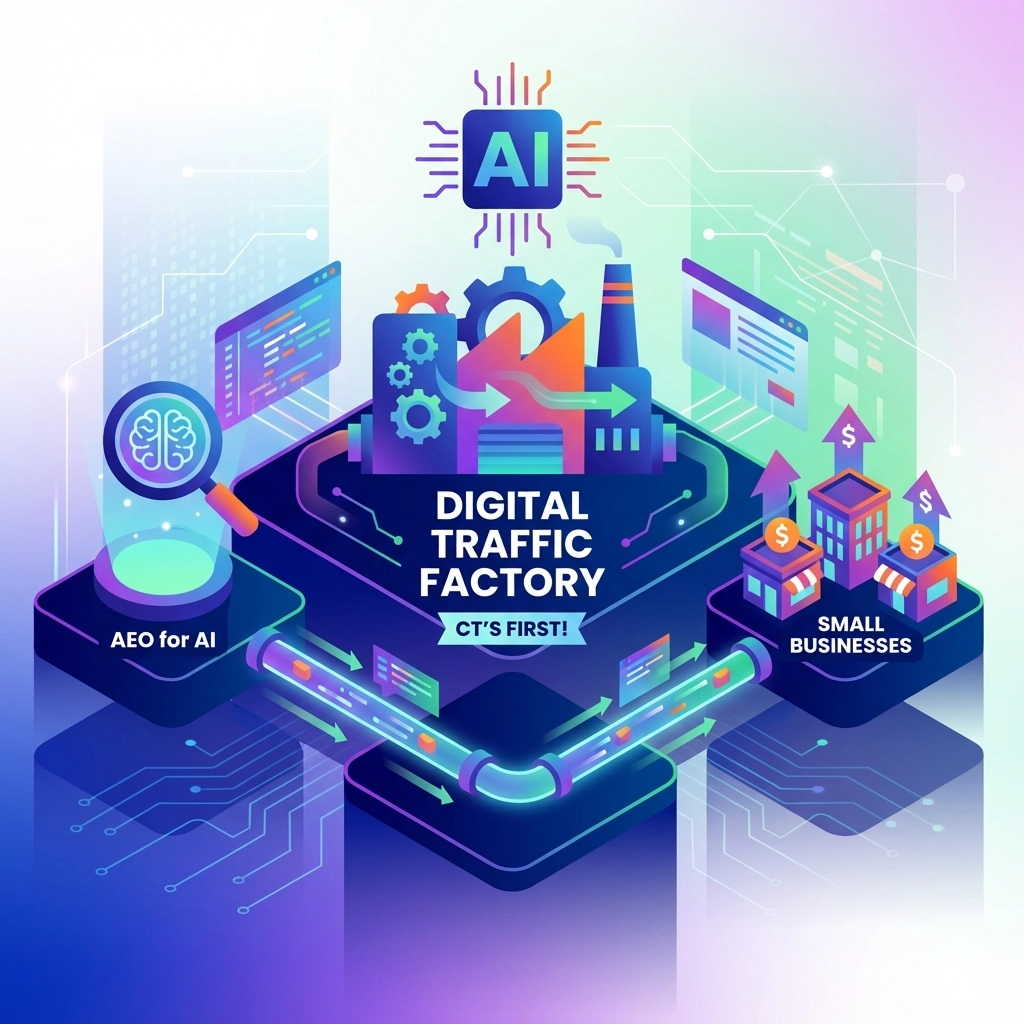
One counterintuitive finding reveals that increased traffic doesn’t necessarily indicate improved performance. 54% of ecommerce sites experiencing conversion rate drops also saw increased bounce rates, suggesting that traffic quality matters significantly more than volume.

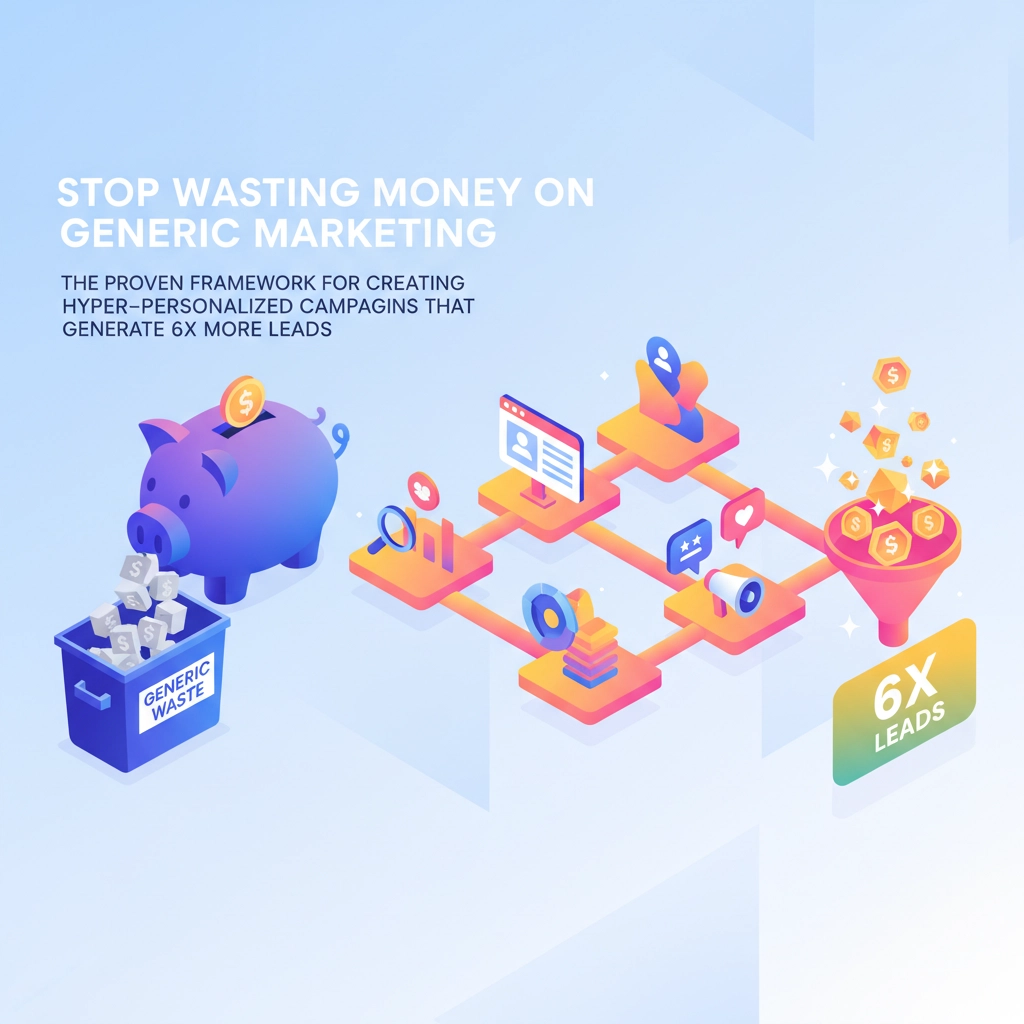
Many businesses respond to declining conversions by increasing advertising spend to drive more traffic. However, this approach often backfires by attracting low-intent visitors who contribute to impressive traffic statistics but never convert. The economic environment has made high-intent traffic more valuable and harder to capture.

image_2

Industry-Specific Impacts of Economic Shifts

Different industries experience varying degrees of conversion rate impact based on their position in the consumer priority hierarchy:

Discretionary Spending Categories (Entertainment, luxury goods, non-essential services) face the most severe challenges, with conversion rates declining 30-50% as consumers eliminate non-essential purchases entirely.

Essential Services (Healthcare, legal services, home repairs) maintain more stable conversion rates but experience longer sales cycles as consumers shop more aggressively for the best value.

B2B Services face extended decision-making processes as companies implement stricter approval processes and require additional stakeholder input before committing to new vendors or services.

Adapting Your Digital Marketing Strategy for 2025

Successful businesses are implementing specific strategies to maintain conversion rates despite economic headwinds:

1. Enhanced Value Communication

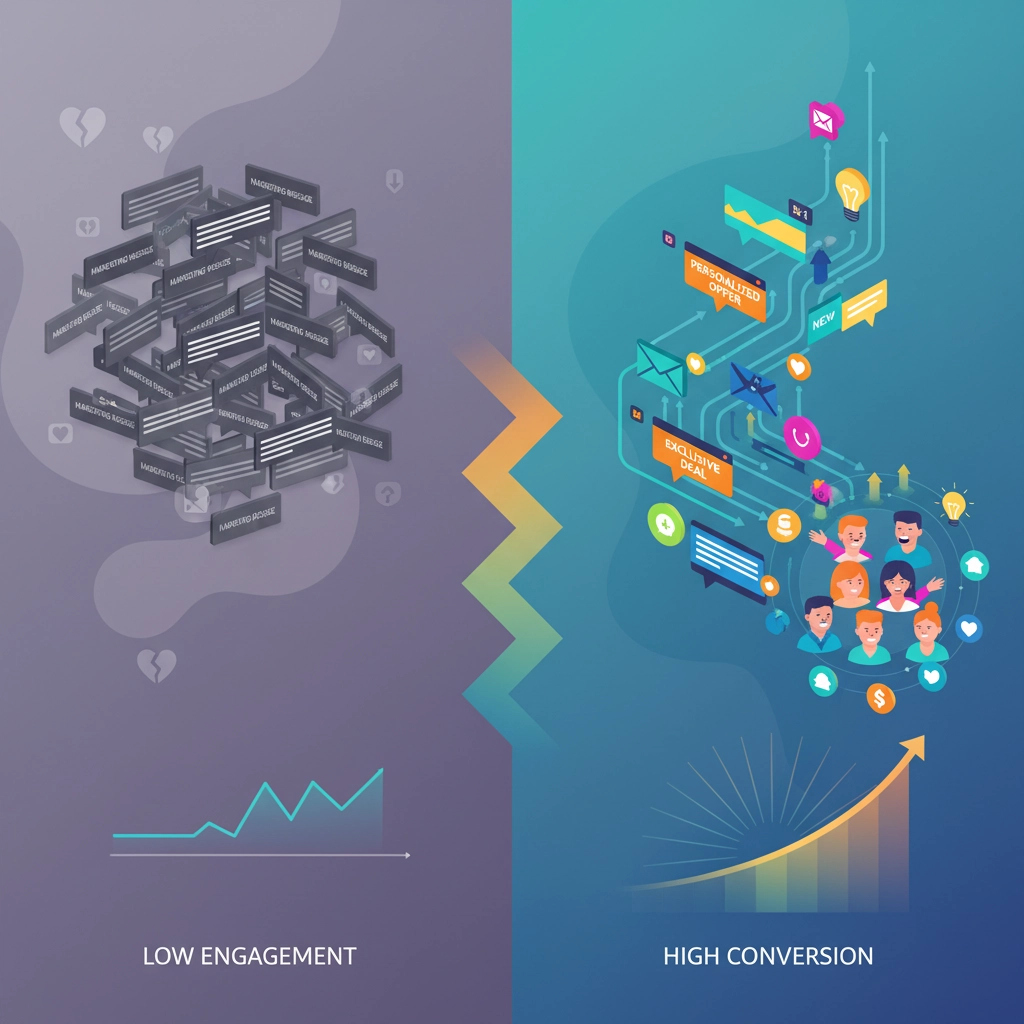
Your messaging must immediately communicate value and justify the expenditure. This means leading with clear benefits, offering transparent pricing, and addressing cost concerns directly in your marketing materials.

2. Extended Nurture Sequences

Accept that buying cycles are longer and implement comprehensive email sequences that provide ongoing value while maintaining engagement. Consider creating educational content that helps prospects understand the long-term benefits of your solution.

3. Social Proof Amplification

Economic uncertainty makes consumers seek validation from peers before purchasing. Prominently display customer testimonials, case studies, and reviews throughout your conversion funnel. Consider implementing real-time social proof notifications showing recent purchases or sign-ups.

4. Flexible Pricing Options

Introduce payment plans, trials, or tiered pricing options that reduce the initial financial commitment. Even B2B services can benefit from phased implementation approaches that spread costs over time.

image_3

Optimizing for the New Consumer Psychology

Understanding the psychological factors driving consumer behavior changes enables more effective optimization:

Decision Fatigue Management: Reduce the number of choices presented at each stage of your funnel. Use guided selling approaches that recommend specific solutions based on customer inputs rather than overwhelming visitors with options.

Trust Signal Enhancement: Invest heavily in trust signals including security badges, professional certifications, detailed about pages, and transparent business practices. Economic uncertainty makes trust a premium commodity.

Urgency Without Pressure: Create legitimate urgency through limited-time offers or inventory scarcity without applying high-pressure sales tactics that may backfire with cautious consumers.

Measuring Success in the New Environment

Traditional conversion rate metrics may not fully capture success in this changed environment. Consider tracking:

  • Average time between first visit and conversion
  • Number of touchpoints before conversion
  • Customer lifetime value trends
  • Return visitor conversion rates
  • Email engagement rates during extended nurture sequences

These metrics provide insight into how successfully you’re adapting to longer, more complex buying cycles.

Technical Optimizations for Maximum Impact

Focus technical improvements on areas that directly impact conversion hesitancy:

Page Speed Optimization: Implement aggressive caching, image optimization, and code minification to achieve sub-2-second load times across all devices.

Checkout Simplification: Reduce form fields to absolute essentials, offer guest checkout options, and implement multiple payment methods including digital wallets.

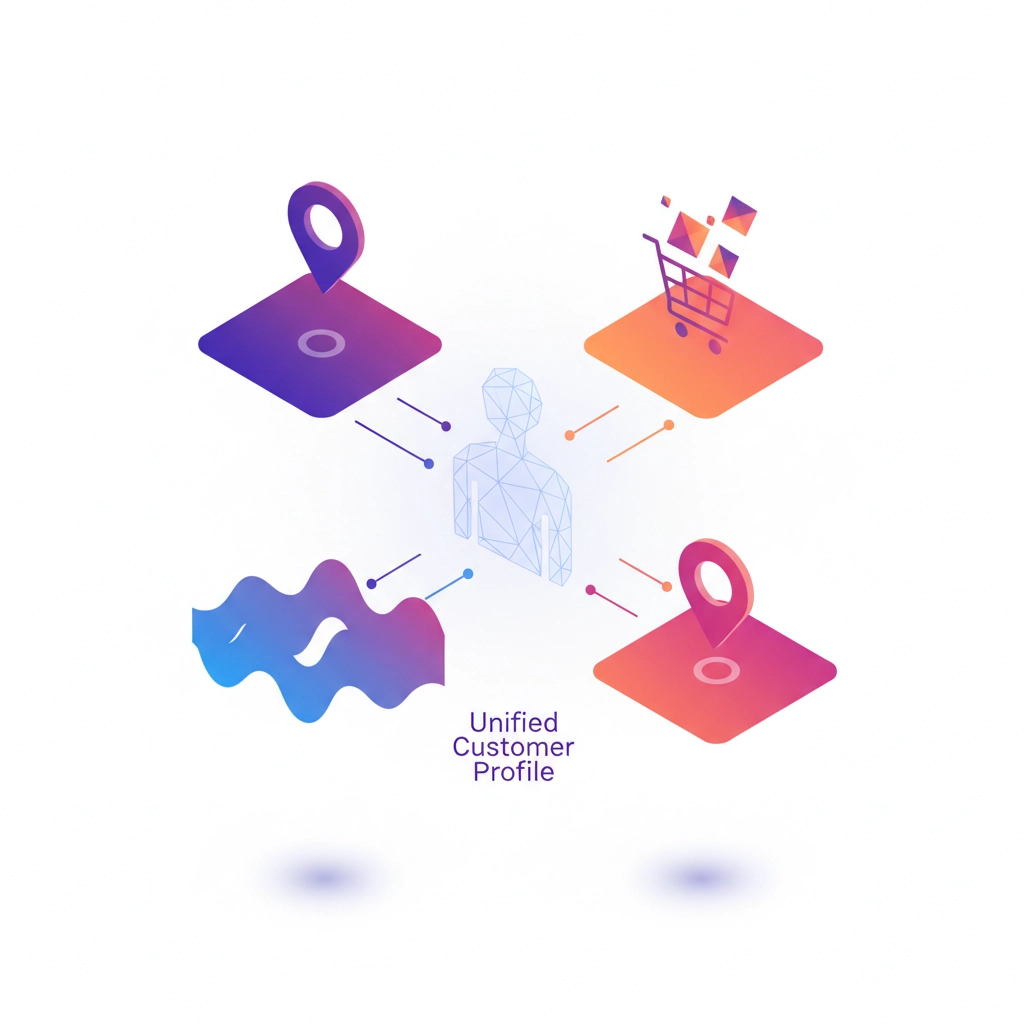
Mobile Experience Enhancement: Ensure your mobile experience matches desktop functionality, as mobile research has increased significantly during economic uncertainty.

image_4

Looking Forward: Preparing for Continued Economic Volatility

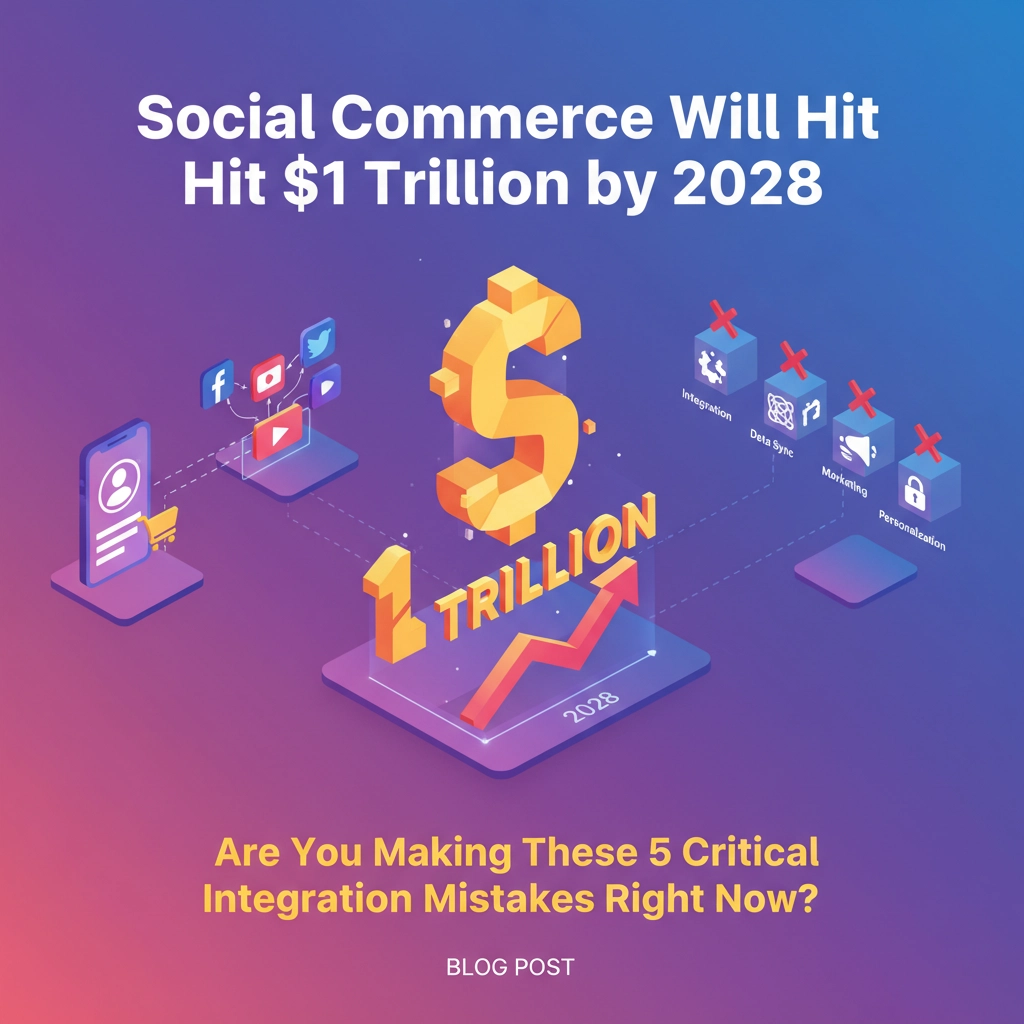
The economic factors influencing consumer behavior in 2025 aren’t temporary disruptions: they represent a new baseline for how consumers approach purchasing decisions. Businesses that adapt their digital marketing strategies to account for increased caution, extended buying cycles, and heightened value-seeking behavior will maintain competitive advantages as economic conditions eventually improve.

Success requires accepting that conversion optimization in 2025 isn’t just about tweaking landing pages or adjusting ad copy. It’s about fundamentally reimagining how you communicate value, nurture prospects, and guide them through extended decision-making processes.

The businesses thriving despite challenging conversion rate environments are those that view these changes as opportunities to build stronger, more trust-based relationships with their customers. They’re investing in long-term value creation rather than short-term conversion tactics.

Take Action to Protect Your Conversion Rates

Don’t let economic headwinds destroy your carefully built marketing systems. The strategies outlined above require immediate implementation to prevent further conversion rate decline and position your business for recovery as conditions improve.

At Digital Traffic Factory, we specialize in helping businesses adapt their digital marketing strategies to changing economic conditions and consumer behavior patterns. Our data-driven approach ensures your marketing investment delivers measurable results even in challenging environments.

Ready to stop watching your conversion rates decline and start building a marketing system that works in today’s economic reality? Contact us today at robert@digitaltrafficfactory.com or call 203-217-9496 to discuss how we can optimize your digital marketing for sustained success.

Posting Isn’t Enough: Why Paid Social Media Marketing Drives Up to 1000% More Views for Small Businesses

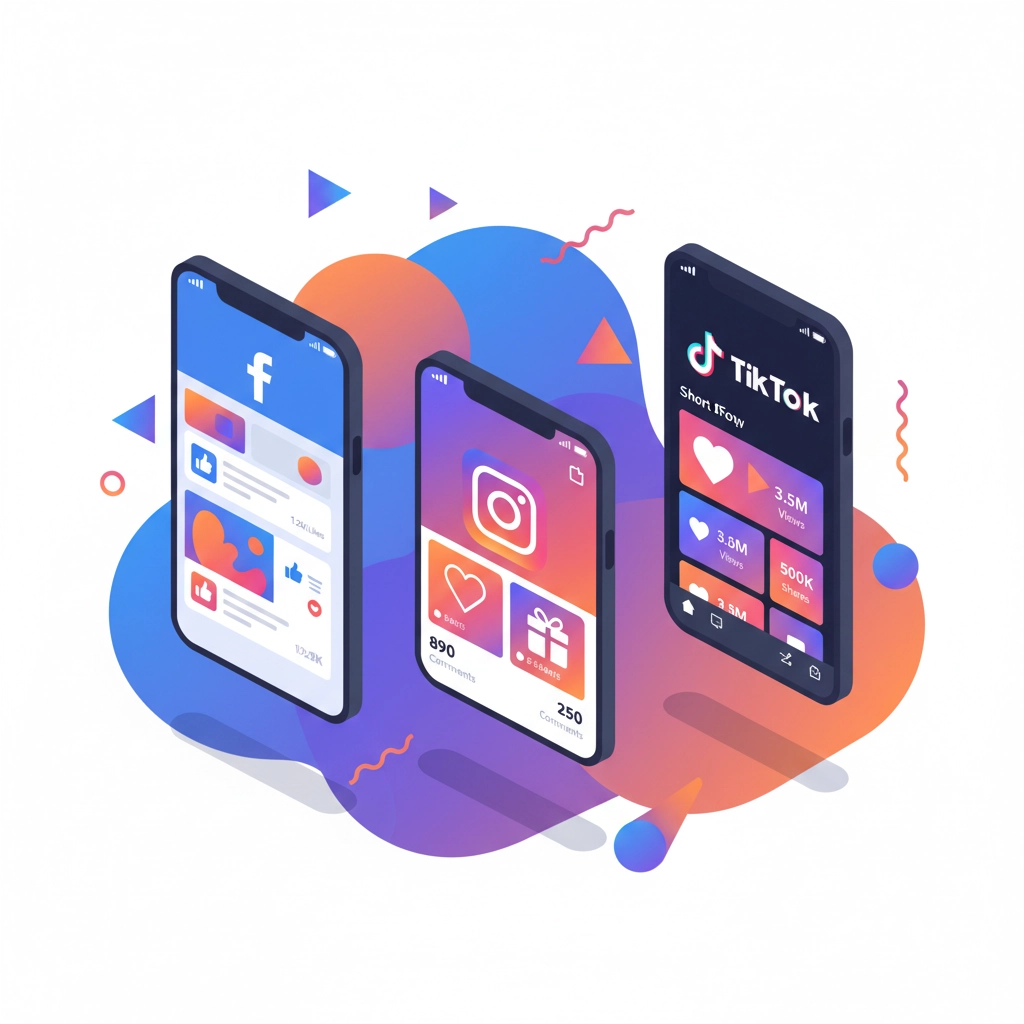
If you’re still relying solely on organic social media posts to grow your small business, you’re essentially shouting into an empty room. The harsh reality is that organic reach on social platforms has collapsed to the point where most of your followers will never see your content: no matter how compelling or valuable it is.

The numbers tell a sobering story: Instagram’s average organic reach now sits at just 4%, while Facebook languishes at an even lower 2.6%. This means that out of every 1,000 followers you have, only 26-40 people will actually see your posts organically. Meanwhile, businesses investing in paid social media campaigns are reaching exponentially more people and driving significantly better results.

The Death of Organic Reach: Why Free Posting No Longer Works

Social media platforms have fundamentally shifted from being free marketing channels to paid advertising platforms. This isn’t an accident: it’s a calculated business model. Facebook, Instagram, LinkedIn, TikTok, and other platforms generate revenue through advertising, which means their algorithms now heavily favor paid content over organic posts.

Consider this: when you post organically, you’re competing against millions of other posts for space in your audience’s feed. The platform’s algorithm decides who sees your content based on factors largely outside your control, including engagement history, post timing, and the user’s current activity patterns. Even if someone actively follows your business page, there’s no guarantee they’ll see your latest update.

image_1

This algorithmic suppression has created what marketers call the “pay-to-play” environment. Businesses that refuse to invest in paid promotion find themselves increasingly invisible, while those embracing paid strategies consistently appear in their target audience’s feeds.

The Dramatic Impact: How Paid Social Delivers Exponentially More Views

When businesses transition from organic-only posting to strategic paid campaigns, the visibility increase can be staggering. While organic posts might reach 2-4% of your followers, paid ads can reach 100% of your targeted audience: plus thousands of potential new customers who’ve never heard of your business.

Here’s where the mathematics become compelling: if your organic posts typically reach 40 people out of 1,000 followers, and a paid campaign reaches 4,000 people (including both existing followers and new prospects), you’ve achieved a 1000% increase in visibility. This isn’t theoretical: it’s the practical reality many small businesses experience when they start investing in paid social media marketing.

Bypassing Algorithmic Limitations

Paid advertisements operate outside the standard algorithmic constraints that limit organic content. When you pay for promotion, the platform guarantees your content will be seen by your specified audience. This means every dollar spent translates directly into guaranteed impressions, rather than hoping the algorithm will favor your post.

Precision Targeting Capabilities

Unlike organic posts that rely on followers and algorithmic distribution, paid ads allow you to target exactly who you want to reach. You can segment audiences by:

  • Demographics (age, gender, income, education level)
  • Geographic location (city, state, radius around your business)
  • Interests and behaviors (fitness enthusiasts, frequent online shoppers, specific hobbies)
  • Purchase history and online activity
  • Life events and milestones

This targeting precision ensures your marketing budget reaches people most likely to become customers, rather than being wasted on uninterested audiences.

How Paid Social Media Advertising Works (The Simple Explanation)

Understanding paid social media doesn’t require a marketing degree. At its core, it’s about paying platforms to show your content to specific groups of people who are most likely to be interested in your business.

image_2

The Basic Process:

  1. Define Your Audience: Determine who your ideal customer is and where they spend time online
  2. Create Compelling Content: Develop ads that speak directly to your audience’s needs and interests
  3. Set Your Budget: Decide how much you want to spend daily or monthly
  4. Choose Your Objective: Whether you want more website visits, phone calls, or direct sales
  5. Launch and Monitor: Start your campaign and track performance metrics

Campaign Types That Work for Small Businesses:

Awareness Campaigns introduce your business to new potential customers in your area. A local restaurant might target food enthusiasts within a 10-mile radius with mouth-watering photos of their signature dishes.

Traffic Campaigns drive people to your website or online store. An e-commerce business could promote their best-selling products to people who have shown interest in similar items.

Conversion Campaigns focus on generating specific actions like purchases, appointments, or sign-ups. A fitness trainer might offer a free consultation to people interested in personal training services.

Cost-Effectiveness: Why Paid Social Delivers Better ROI Than You Think

Many small business owners assume paid social media requires massive budgets, but the reality is quite different. Most platforms offer surprisingly affordable advertising options that can fit even modest marketing budgets.

On Meta platforms (Facebook and Instagram), the average cost per click typically ranges from $0.50 to $2.00, depending on your industry and targeting parameters. TikTok and LinkedIn offer similar pricing structures, with TikTok often providing even lower costs for younger demographics.

Budget Guidelines for Small Businesses:

  • Starter Budget: $200-500 monthly can generate meaningful results for local service businesses
  • Growth Budget: $500-1,500 monthly allows for broader reach and multiple campaign types
  • Scale Budget: $1,500+ monthly enables comprehensive multi-platform strategies

The key is consistency rather than large sporadic investments. A steady $300 monthly budget will typically outperform a one-time $1,000 campaign because it allows for continuous optimization and audience building.

image_3

Actionable Steps to Launch Your First Paid Campaign

Step 1: Start with Your Best-Performing Organic Content

Review your organic posts from the past three months and identify which ones received the highest engagement. These proven performers make excellent candidates for paid promotion because they’ve already demonstrated audience appeal.

Step 2: Define Your Target Audience

Begin with a detailed description of your ideal customer. Consider their age range, location, interests, and online behaviors. Most platforms offer audience insights tools that can help refine your targeting based on your existing followers.

Step 3: Choose the Right Platform

  • Facebook/Instagram: Excellent for local businesses and visual content
  • LinkedIn: Ideal for B2B services and professional targeting
  • TikTok: Perfect for reaching younger demographics with video content
  • Twitter: Effective for real-time engagement and news-related businesses

Step 4: Set Clear Objectives and Budgets

Determine what success looks like for your campaign. Are you seeking more website traffic, phone calls, or direct sales? Set daily budgets you can sustain consistently: it’s better to spend $20 daily for a month than $200 in a single day.

Step 5: Create Mobile-First Content

Over 80% of social media consumption happens on mobile devices, so ensure your ads look compelling on smartphone screens. Use high-quality images, readable text, and clear calls-to-action that work well on smaller displays.

Step 6: Monitor and Optimize Weekly

Check your campaign performance weekly and make small adjustments based on what’s working. Look for patterns in high-performing ads and expand successful strategies while pausing underperforming content.

Advanced Strategies for Maximum Impact

Retargeting Campaigns

Create campaigns targeting people who have visited your website or engaged with your content but haven’t made a purchase. These warm audiences typically convert at much higher rates than cold traffic.

Lookalike Audiences

Upload your customer email list to create “lookalike” audiences: people who share similar characteristics with your existing customers. This strategy helps identify new prospects most likely to be interested in your business.

Seasonal and Event-Based Campaigns

Plan campaigns around holidays, local events, or industry-specific seasons when your target audience is most likely to need your services.

The Bottom Line: Paid Social Is No Longer Optional

The businesses still relying solely on organic posting are essentially choosing to be invisible in today’s social media landscape. While organic content remains important for building relationships with existing customers, paid promotion has become essential for reaching new audiences and driving growth.

Small businesses that embrace this reality and start investing in strategic paid campaigns consistently outperform competitors who haven’t adapted to the new social media environment. The question isn’t whether you can afford to invest in paid social media: it’s whether you can afford not to.

image_4

Ready to unlock exponentially better results for your business? The team at Digital Traffic Factory specializes in creating cost-effective paid social media campaigns that deliver measurable results for small businesses. We’ll help you navigate platform complexities, optimize your budget, and create campaigns that actually convert browsers into buyers.

Want to unlock bigger results for your business? Email robert@digitaltrafficfactory.com or call 203-217-9496 and let’s talk paid social! We’ll analyze your current social media performance and show you exactly how paid campaigns can transform your visibility and grow your customer base.

Why Paid Social Media Advertising Is Essential for Small Businesses in 2025

heroImage

The digital marketing landscape has fundamentally shifted, and small businesses that haven’t adapted to paid social media advertising are falling behind fast. Gone are the days when posting organic content could reliably drive meaningful business results. In 2025, paid social advertising isn’t just an option: it’s a necessity for survival and growth.

If you’re still relying solely on organic social media posts, hoping they’ll magically reach your target audience, you’re essentially playing the lottery with your marketing budget. The platforms have changed the rules, and businesses that understand this new reality are already capturing market share while others struggle with declining visibility.

The Organic Reach Crisis That’s Killing Small Businesses

The harsh reality is that organic social media reach has collapsed to unprecedented lows. Facebook’s organic reach now averages just 2.6%, while Instagram sits at approximately 4%: and these numbers continue declining. This means that out of every 1,000 people following your business page, fewer than 40 will actually see your posts.

This dramatic decline isn’t accidental. Social media platforms have deliberately transformed into advertising businesses, prioritizing paid content through algorithmic changes designed to maximize revenue. The sheer volume of content users encounter daily, combined with sophisticated algorithms, makes it nearly impossible for unpaid posts to achieve meaningful visibility.

The bottom line: If you’re not paying for reach, you’re not reaching your audience.

For small businesses, this reality makes organic-only strategies obsolete. The businesses thriving in 2025 understand that consistent visibility requires investment in paid promotion. Those still waiting for organic magic to happen are watching competitors capture their potential customers.

image_1

Precision Targeting: Your Competitive Advantage

Paid social advertising offers small businesses something unprecedented: the ability to reach exactly the right customers at exactly the right time. Unlike traditional advertising that broadcasts broadly and hopes for the best, social media platforms provide targeting capabilities that were once available only to major corporations with massive research budgets.

You can target potential customers based on:

  • Demographics: Age, gender, income level, education, job titles
  • Geographic location: From broad regions down to specific zip codes or radius targeting
  • Interests and behaviors: Hobbies, purchase patterns, website visits, app usage
  • Life events: Recent moves, job changes, birthdays, anniversaries
  • Custom audiences: Website visitors, email subscribers, past customers

A local bakery can target coffee enthusiasts within a five-mile radius during morning commute hours. A fitness coach can reach people interested in weight loss who’ve recently joined gyms. This precision eliminates wasted ad spend and connects businesses with customers who actually want their products or services.

Budget-Friendly Entry Point That Scales With Success

Unlike traditional advertising that demands significant upfront investments, paid social advertising operates on a fundamentally different model. You can start with daily budgets as low as $5 and scale up based on proven results.

This flexible approach removes the gambling aspect from advertising decisions. A small restaurant can test Facebook ads for less than the cost of a single newspaper ad, then increase spending only when campaigns prove profitable. Poor-performing ads can be paused instantly, while successful campaigns receive increased budgets based on real performance data.

Key budget benefits include:

  • No minimum spend requirements
  • Real-time budget adjustments
  • Pay only for results (clicks, impressions, conversions)
  • AI-powered optimization tools that maximize efficiency
  • Complete spending control and transparency

This democratization of effective advertising means small businesses can compete directly with larger competitors using the same powerful tools and targeting options.

image_2

Immediate Results and Measurable ROI

Paid social media advertising generates real-time performance data, standing in stark contrast to organic strategies or traditional SEO approaches that take months to show results. Campaigns go live within hours, and performance metrics start flowing immediately.

You’ll see exactly how many people viewed your ads, clicked through to your website, and completed purchases. This transparency transforms advertising from guesswork into data-driven decision making. You can identify which ad creatives resonate with your audience, which demographics convert best, and which times of day generate optimal results.

This real-time feedback enables continuous campaign refinement. Instead of waiting months to determine if marketing efforts are working, you can optimize campaigns daily based on concrete performance data. The ability to track every dollar spent and measure direct business impact provides accountability that traditional advertising methods simply cannot match.

Building Brand Awareness That Drives Recognition

New businesses and those entering competitive markets face a critical challenge: potential customers don’t know they exist. Consistent paid advertising campaigns build brand awareness systematically, showing your message to potential customers repeatedly until recognition develops.

This repetition proves especially valuable when competing against established brands. A new coffee shop competing against national chains needs multiple touchpoints before customers consider trying something different. Paid ads provide these touchpoints affordably and consistently, building familiarity that translates into trial purchases.

Video advertising on platforms like TikTok, Instagram Reels, and Facebook proves particularly effective for capturing attention and driving brand awareness. Short, engaging video content can reach millions of potential customers with compelling, visually captivating messages that stick in viewers’ minds.

image_3

Direct Sales Generation and Lead Conversion

Beyond brand awareness, paid social platforms excel at driving specific customer actions. You can promote special events to local enthusiasts, advertise seasonal services to homeowners in your coverage area, or run retargeting campaigns that reconnect with website visitors who didn’t make initial purchases.

These promotional campaigns often generate immediate results. A local restaurant running weekend specials through Facebook ads can track reservations directly to specific campaigns. A landscaping company advertising spring cleanup services can measure phone calls generated by each ad variation.

The ability to directly connect advertising efforts to measurable business outcomes provides the accountability small business owners need when making marketing investments. You’re not just building awareness: you’re driving revenue that can be tracked and optimized.

Competitive Necessity in the Digital Marketplace

Your competitors are already using paid social advertising to capture market share. While you debate whether to invest in paid promotion, they’re systematically reaching your potential customers with targeted messages that drive business results.

The businesses investing in paid social strategies now gain significant advantages over competitors still relying solely on word-of-mouth or traditional advertising methods. In an increasingly crowded digital marketplace, visibility determines success, and visibility requires paid promotion.

Small businesses that recognize this opportunity and act quickly can establish market position before competitors adapt. The cost of entry remains low, but the competitive advantages compound over time as you build audience data, optimize campaigns, and establish brand presence.

Getting Started: Your Practical Action Plan

Ready to harness the power of paid social advertising? Follow these essential steps to launch your first successful campaigns:

1. Choose Your Primary Platform
Start with one platform where your target customers spend time. Facebook and Instagram work well for most local businesses, while LinkedIn suits B2B companies and TikTok appeals to younger demographics.

2. Define Your Objective
Choose specific goals: brand awareness, website traffic, lead generation, or direct sales. Each objective requires different ad formats and targeting strategies.

3. Set Your Budget
Begin with $10-20 per day to test campaigns and gather data. You can always increase spending on successful campaigns.

4. Create Compelling Ad Content
Use high-quality images or videos that showcase your products or services. Write clear, benefit-focused copy that encourages specific actions.

5. Target Your Ideal Customers
Start with basic demographic and geographic targeting, then refine based on performance data. Avoid overly narrow targeting that limits reach.

6. Monitor and Optimize
Check campaign performance daily for the first week, then weekly ongoing. Pause poor performers and increase budgets for successful ads.

image_4

Common Mistakes That Waste Your Budget

Avoid these critical errors that drain advertising budgets without generating results:

  • Targeting too broadly or too narrowly: Find the sweet spot that reaches qualified prospects without wasting impressions
  • Using poor-quality images or videos: Professional visuals significantly impact performance and cost-per-click
  • Ignoring mobile optimization: Most social media users browse on mobile devices
  • Not testing multiple ad variations: A/B testing reveals which messages resonate with your audience
  • Focusing only on likes and shares: Prioritize metrics that directly impact business goals
  • Abandoning campaigns too quickly: Allow sufficient time and budget for platforms to optimize delivery

The Time to Act Is Now

Paid social media advertising represents the most accessible and effective way for small businesses to compete in today’s digital marketplace. The combination of declining organic reach, precise targeting capabilities, budget flexibility, immediate results, and competitive necessity makes it clear that successful businesses must embrace paid promotion strategies.

The businesses starting now with modest budgets and clear goals will build valuable audience data, optimize their approaches, and establish market position while competitors hesitate. Every day you delay is another day your competitors capture potential customers through strategic paid advertising campaigns.

The investment in both time and money is justified by the potential returns in an increasingly digital marketplace where visibility determines success. Your business deserves the same powerful marketing tools that major corporations use: and paid social advertising provides exactly that opportunity.

Want help growing your business with paid social ads? Email robert@digitaltrafficfactory.com or call 203-217-9496 and let’s build your strategy together!

Why Weekly Blogging Is Crucial for SEO (And How to Make It Work for Your Business)

heroImage

Most businesses understand they need content marketing, but few realize the specific power of weekly blogging for search engine optimization. Publishing fresh content every week isn’t just about staying visible: it’s about systematically building your website’s authority, expanding your keyword footprint, and training Google to recognize your site as a reliable, active resource.

The data is compelling: businesses that blog consistently receive 55% more website visitors than those that don’t. But beyond the traffic numbers lies a deeper SEO strategy that can transform your online presence and drive measurable business growth.

How Weekly Blogging Transforms Your SEO Performance

Enhanced Crawl Frequency and Faster Indexing

Search engines operate on predictable patterns when they encounter consistent publishing schedules. When you publish blog content every Wednesday, for example, Google’s crawlers learn this pattern and begin visiting your website around that same time each week. This predictability gives you a significant advantage over competitors with sporadic content updates.

Without regular publishing, Google crawler visits remain random and unpredictable. Your new pages might sit unindexed for weeks or months. With weekly blogging, you’re essentially training Google to prioritize your website, resulting in faster indexing of new content and improved visibility in search results.

The technical benefit extends beyond timing. Each new blog post creates additional entry points for search engine crawlers, expanding the pathways through which Google discovers and evaluates your website’s content architecture.

image_1

Systematic Keyword Expansion and Long-Tail Opportunities

Every blog post represents a new indexed page with the potential to rank for different search terms. Weekly publishing allows you to systematically target various customer questions, industry topics, and long-tail keywords that your competitors might overlook.

Long-tail keywords: specific, multi-word phrases: account for approximately 70% of all Google searches. These queries typically demonstrate higher purchase intent because users are searching for specific solutions rather than general information. A weekly blogging schedule enables you to methodically address these specific search queries, positioning your business as the comprehensive solution provider in your market.

Consider this strategic approach: instead of hoping one or two pages will rank for competitive terms, you’re building a library of targeted content that captures traffic across dozens or hundreds of related search queries.

Fresh Content Signals and Algorithm Advantages

Google’s algorithms prioritize websites that demonstrate ongoing activity and value creation. Weekly blogging sends consistent signals that your website is actively maintained, current, and relevant to user needs.

This freshness factor influences multiple ranking considerations. Search engines favor websites that regularly update their content, viewing this activity as evidence of authority and relevance. Your consistent publishing schedule demonstrates to both algorithms and users that your business stays current with industry developments and customer needs.

The Business Impact of Consistent Blogging

Traffic Growth and Lead Generation

The relationship between blogging frequency and website traffic is direct and measurable. Each blog post creates opportunities to rank for new keywords, answer customer questions, and attract visitors who might never have discovered your business otherwise.

Weekly blogging compounds this effect over time. After six months of consistent publishing, you’ll have created 26 new opportunities to appear in search results. After one year, that number doubles to 52 additional indexed pages, each potentially driving targeted traffic to your website.

More importantly, blog traffic tends to convert better than general website visitors because readers arrive seeking specific information or solutions. They’re already engaged with your content and expertise before considering your services.

image_2

Authority Building and Trust Development

Regular blogging establishes your business as a knowledgeable industry resource. When potential customers search for information and consistently find helpful answers on your website, you build trust and credibility before they ever contact you directly.

This authority development serves multiple business functions. It reduces the sales cycle because prospects arrive pre-educated about your expertise. It differentiates your business from competitors who lack comprehensive content resources. It also creates opportunities for referrals and backlinks from other industry websites.

Quality vs. Quantity: Finding the Right Balance

While weekly publishing provides clear SEO benefits, content quality remains the foundation of effective blogging strategy. Monthly blog posts that provide genuine, comprehensive value to readers can outrank weekly posts that are mediocre or rushed.

The most damaging approach involves prioritizing volume over substance, resulting in thin, unhelpful content that neither serves readers nor improves rankings effectively. Search engines and visitors prioritize finding proper answers to their questions over publication frequency.

The Strategic Middle Ground

The optimal approach balances consistency with quality through careful planning and resource allocation. Two to four blog posts per week represents the ideal frequency for most businesses, providing SEO benefits while maintaining content standards.

At minimum, a single weekly blog post delivers immediate benefits. You should notice marked improvements in crawl rate and targeted traffic within two to three months of consistent publishing.

Practical Implementation Strategies

Content Planning and Keyword Research

Successful weekly blogging begins with strategic planning rather than reactive content creation. Develop a carefully researched list of keywords relevant to your business and structure all topics, titles, and headings around these terms.

Focus specifically on keywords that drive targeted traffic to your website. Ranking for random terms generates visibility without business results. Your content strategy should align with actual customer questions and search behavior in your market.

Create a content calendar that addresses frequently asked questions from your existing customers. This approach ensures relevance while capturing search traffic from prospects asking those same questions online.

image_3

Technical Foundation Requirements

Maintain a standard WordPress installation with themes that don’t obstruct Google’s crawler access. This ensures you don’t need complex technical SEO implementation: the foundation works automatically with consistent publishing.

Optimize your blog posts with descriptive URLs, relevant meta descriptions, and proper heading structures. These technical elements support your content strategy without requiring advanced SEO expertise.

Content Distribution and Amplification

Link your blog posts from social media platforms to amplify their reach and signal additional authority to search engines. Use your blog content strategically in email marketing campaigns with clear calls-to-action to drive conversions.

Internal linking between blog posts creates additional pathways for both users and search engines to discover your content. This interconnected approach strengthens your website’s overall SEO performance.

Making Weekly Blogging Sustainable

Resource Planning and Budget Considerations

If hiring professional content writers feels expensive for daily publishing, a weekly schedule provides a cost-effective entry point that still delivers meaningful SEO results. The critical factor is consistency combined with quality and relevance.

Consider developing content templates and processes that streamline your publishing workflow. Standardized approaches reduce the time investment while maintaining quality standards.

Measuring Success and ROI

Track specific metrics that demonstrate blogging ROI: organic search traffic growth, keyword ranking improvements, and lead generation from blog content. These measurements justify continued investment and guide strategy refinements.

Monitor which blog topics generate the most engagement and conversions. This data informs future content planning and helps you focus resources on the highest-impact publishing strategies.

image_4

Long-Term SEO Benefits and Business Growth

Weekly blogging creates compounding returns over time. Each published post continues working to attract search traffic months and years after publication. This cumulative effect means your content investment grows more valuable with consistent execution.

The authority and trust you build through regular, helpful content publishing extends beyond search rankings. It influences customer decision-making, referral generation, and overall market positioning in ways that directly impact business growth.

Businesses that commit to weekly blogging for 12 months typically see dramatic improvements in search visibility, lead quality, and overall digital marketing performance. The strategy requires patience and consistency, but the results justify the investment through measurable business growth.

Your website becomes a comprehensive resource that both search engines and customers value. This positioning creates sustainable competitive advantages that extend far beyond individual blog posts or search rankings.

Ready to transform your SEO performance with strategic weekly blogging? The key is starting with a solid plan and maintaining consistency over time. Your business deserves the increased visibility, authority, and lead generation that effective content marketing delivers.

Need fresh blog content that helps your rankings? Email robert@digitaltrafficfactory.com or call 203-217-9496 and let’s boost your SEO together!

7 Mistakes You’re Making with Google’s New Algorithm Update (And How to Fix Them Before You Lose Rankings)

heroImage

Google’s October 2025 algorithm updates have sent shockwaves through the digital marketing world, causing significant ranking fluctuations across industries. If you’ve noticed drops in your organic traffic or search visibility, you’re not alone: and more importantly, you’re likely making one of seven critical mistakes that the new algorithm heavily penalizes.

The good news? These mistakes are entirely fixable when you know what to look for and how to address them systematically. Let’s examine each mistake and provide you with actionable solutions to protect and recover your rankings.

Mistake #1: Publishing Thin, Low-Value Content

The October 2025 core algorithm update has dramatically raised the bar for content quality. Google now aggressively penalizes websites that publish thin content designed solely to capture search traffic without providing genuine value to users.

What This Looks Like:

  • Blog posts under 300 words that barely scratch the surface of topics
  • Pages created solely to target specific keywords without comprehensive information
  • Content that doesn’t fully answer the user’s search intent
  • Duplicate or near-duplicate content across multiple pages
image_1

The Fix:

Conduct a comprehensive content audit immediately. Review every page on your website and identify content that falls short of providing substantial value. For thin content, you have three options:

  1. Expand and enhance existing content with detailed, authoritative information
  2. Consolidate multiple thin pages into comprehensive resource pages
  3. Remove pages that cannot be improved and serve no strategic purpose

Focus on creating content that thoroughly addresses user intent. Each page should provide complete answers to the questions your audience is asking, backed by expertise and real-world insights.

Mistake #2: Relying on Manipulative SEO Tactics

Google’s spam detection algorithms have become extraordinarily sophisticated, targeting websites that employ deceptive practices to manipulate search rankings.

Common Manipulative Tactics:

  • Keyword stuffing in content, meta descriptions, and alt tags
  • Cloaking content to show different versions to users versus search engines
  • Using misleading clickbait headlines that don’t match page content
  • Building low-quality backlinks from irrelevant or spammy websites

The Fix:

Immediately audit your website for any manipulative practices:

  • Remove hidden text and excessive keyword repetition
  • Replace misleading headlines with accurate, compelling titles
  • Focus on natural language that serves users first
  • Disavow harmful backlinks and focus on earning high-quality links from relevant sources

Remember: sustainable SEO success comes from providing genuine value, not gaming the system.

Mistake #3: Ignoring E-A-T Signals (Expertise, Authority, Trustworthiness)

The October 2025 updates place unprecedented weight on E-A-T signals, particularly for websites in competitive or sensitive industries. Without clear demonstrations of expertise and authority, your content will struggle to rank competitively.

Missing E-A-T Elements:

  • Lack of author credentials and expertise indicators
  • Absence of trust signals like testimonials and certifications
  • No clear demonstration of industry authority
  • Missing contact information and business verification
image_2

The Fix:

Strengthen your E-A-T profile systematically:

  1. Create detailed author bios that establish credentials and expertise
  2. Display certifications, awards, and professional affiliations prominently
  3. Build high-quality backlinks from authoritative industry websites
  4. Showcase customer testimonials and case studies that demonstrate results
  5. Ensure your content is written or reviewed by subject matter experts
  6. Make your business information transparent with clear contact details and verification

Mistake #4: Neglecting Mobile Optimization

With mobile-first indexing fully implemented, any website not optimized for mobile devices faces severe ranking penalties. The October 2025 updates have made mobile performance a critical ranking factor.

Mobile Optimization Issues:

  • Slow page load speeds on mobile devices
  • Unresponsive design that doesn’t adapt to different screen sizes
  • Content that’s difficult to read or interact with on mobile
  • Forms and buttons that are hard to use on touchscreens

The Fix:

Ensure complete mobile optimization:

  • Test your website on multiple mobile devices and screen sizes
  • Optimize page load speeds by compressing images and minimizing code
  • Implement responsive design that adapts seamlessly across all devices
  • Use Google’s Mobile-Friendly Test to identify and fix specific issues
  • Prioritize mobile user experience in all design and development decisions

Mistake #5: Failing to Optimize for AI-Powered Search

Google’s AI Mode integration represents a fundamental shift in how search results are delivered. If your content isn’t structured for AI comprehension and extraction, you’re missing crucial visibility opportunities.

AI Optimization Gaps:

  • Content that doesn’t provide direct, clear answers to common questions
  • Lack of structured data and schema markup
  • Information that’s difficult for AI systems to parse and summarize
  • Absence of FAQ sections and question-based content
image_3

The Fix:

Structure your content for AI-powered search:

  1. Create comprehensive FAQ sections that address common user questions
  2. Implement schema markup to help AI systems understand your content structure
  3. Use clear headings and subheadings that organize information logically
  4. Provide direct answers to questions within your content
  5. Format information in lists and bullet points for easy AI extraction

Mistake #6: Making Critical Local SEO Errors

The October 2025 updates include significant changes to local search algorithms, making local SEO mistakes particularly costly for businesses targeting geographic markets.

Common Local SEO Mistakes:

  • Inconsistent Name, Address, Phone (NAP) information across platforms
  • Review gating (only asking satisfied customers for reviews)
  • Using AI-generated images that undermine credibility
  • Neglecting Google My Business optimization
  • Failing to target location-specific keywords

The Fix:

Optimize your local SEO strategy:

  • Ensure NAP consistency across all online directories and platforms
  • Optimize your Google My Business listing completely with accurate information, photos, and regular updates
  • Encourage all customers to leave genuine reviews, not just satisfied ones
  • Use authentic, original photography instead of generic or AI-generated images
  • Create location-specific content that speaks directly to your geographic market
  • Target local keywords naturally within your content

Mistake #7: Ignoring Performance Monitoring and Response

Many websites fail to monitor their performance after algorithm updates, missing opportunities to quickly identify and address issues before significant damage occurs.

Monitoring Failures:

  • Not tracking organic traffic and keyword rankings regularly
  • Failing to set up alerts for significant performance changes
  • Ignoring Search Console warnings and notifications
  • Not updating content regularly to maintain competitiveness
image_4

The Fix:

Establish comprehensive performance monitoring:

  1. Set up Google Analytics and Search Console to track organic performance
  2. Monitor keyword rankings for your most important terms
  3. Establish email alerts for significant traffic or ranking changes
  4. Review performance data weekly to identify trends and issues
  5. Create a content refresh schedule to keep information current and competitive
  6. Respond quickly to algorithm updates with data-driven adjustments

Taking Action: Your Next Steps

The October 2025 algorithm updates represent Google’s commitment to rewarding websites that prioritize user experience, expertise, and genuine value. By addressing these seven critical mistakes, you’ll align your website with Google’s current priorities and build a more sustainable SEO foundation.

Prioritize your fixes in this order:

  1. Address any manipulative SEO tactics immediately
  2. Audit and improve thin or low-value content
  3. Strengthen E-A-T signals across your website
  4. Ensure complete mobile optimization
  5. Optimize for AI-powered search features
  6. Fix local SEO issues if applicable
  7. Implement ongoing performance monitoring

Remember, algorithm recovery takes time. Focus on making systematic improvements rather than quick fixes, and monitor your progress consistently.

Want a personalized SEO audit or recovery strategy? Email robert@digitaltrafficfactory.com or call 203-217-9496 and let’s protect your rankings together!

Creative Fatigue is Costing You Sales: 5 Steps to Refresh Your Ad Performance Before It’s Too Late

heroImage

Your ad campaigns were performing beautifully just weeks ago. Click-through rates were strong, conversions were flowing, and your cost per acquisition was exactly where it needed to be. Then something changed. Performance metrics started declining, costs began creeping up, and your once-profitable campaigns are now barely breaking even.

You’re experiencing creative fatigue: one of the most insidious threats to advertising performance that affects over 80% of digital marketers. Creative fatigue occurs when your target audience becomes oversaturated with repeated exposure to the same ad creative, causing engagement and conversion rates to plummet significantly.

The business impact is immediate and measurable. Studies show that after just four repeated exposures to the same creative, the likelihood of conversion drops by approximately 45%. Your cost per thousand impressions (CPM) increases as platforms recognize declining engagement, while your return on ad spend deteriorates rapidly.

Understanding creative fatigue isn’t just about maintaining campaign performance: it’s about protecting your marketing investment and ensuring sustainable growth. The good news? Creative fatigue is entirely preventable and reversible when you implement the right strategies at the right time.

Recognizing the Warning Signs Before It’s Too Late

Creative fatigue doesn’t happen overnight. It develops gradually, and successful marketers learn to identify the early warning signals before performance crashes completely.

image_1

Click-Through Rate Decline: Your first red flag appears when CTR drops more than 20% week-over-week without changes to targeting or bidding strategy. This indicates your audience is becoming less responsive to your creative elements.

Rising Cost Per Thousand Impressions: When CPM increases despite unchanged targeting parameters, platforms are recognizing that your ads are receiving less engagement. The algorithm responds by charging more for the same exposure.

Frequency Creep: Monitor your frequency metric closely. Once it exceeds 4-5 exposures per user within a short timeframe, you’re entering dangerous territory. High frequency combined with declining performance is a clear creative fatigue indicator.

Conversion Rate Deterioration: Perhaps most concerning is when CTR remains stable but conversion rates drop. This suggests people are still clicking your ads but aren’t following through with desired actions: often because they’ve seen similar messaging too many times.

Engagement Quality Changes: Pay attention to comment sentiment and engagement types. When responses become repetitive, sarcastic, or negative, your audience is signaling creative fatigue.

When two or more of these signals align, your creative has entered the fatigue zone and requires immediate intervention. Waiting longer only compounds the problem and makes recovery more difficult.

Step 1: Pause Underperforming Ads Immediately

The moment you identify creative fatigue, decisive action prevents further budget waste and audience alienation. Pause ads showing high frequency scores combined with declining performance metrics immediately.

This strategic pause serves multiple purposes beyond stopping losses. It gives your fatigued audience a mental break from overexposed creative elements, prevents negative associations with your brand, and creates space for fresh approaches to capture attention again.

During this downtime, analyze what contributed to the fatigue. Was the creative inherently weak, or did high frequency simply wear out effective messaging? Understanding the root cause informs your refresh strategy and prevents repeating the same mistakes.

Take action now: Review your current campaigns and identify ads with frequency above 4 and declining CTR. Pause these immediately, regardless of historical performance.

Step 2: Launch Fresh Creatives with Strategic Variations

Refreshing your creative approach requires more than minor tweaks: it demands significant visual and messaging differentiation that re-captures audience attention.

Focus on visual transformation first. Replace static images with dynamic video content or animated graphics. Test completely different color schemes, typography styles, and layout approaches. Introduce new emotional triggers: if your previous creative was benefit-focused, try problem-focused messaging instead.

image_2

Video vs. Static Testing: Video content typically experiences slower fatigue rates than static images because movement naturally draws attention. However, ensure your video hooks are strong within the first three seconds to maximize impact.

Headline and Copy Variations: Develop multiple headline approaches testing different value propositions. Create urgency-driven versions (“Limited Time Offer”), benefit-focused options (“Save 50% on Marketing Costs”), and curiosity-driven alternatives (“The Marketing Secret Competitors Don’t Want You to Know”).

Call-to-Action Refreshing: Vary your CTAs significantly across different ad versions. Instead of “Learn More,” test “Get Started Today,” “See Results Now,” or “Claim Your Spot.” Different action words trigger different psychological responses.

Remember that refreshing doesn’t always require complete creative reinvention. Sometimes a new opening shot, updated headline, or different background music restores performance effectively while maintaining brand consistency.

Step 3: Implement Systematic Creative Rotation

Rather than relying on single creative executions, build rotation systems that maintain novelty while gathering performance data across multiple approaches.

Develop creative banks with 5-7 different executions testing various angles, visual styles, and messaging approaches. Rotate these systematically rather than running them simultaneously, which can dilute budget and confuse audience targeting.

Weekly Rotation Strategy: Replace your primary creative every 7-10 days, regardless of performance. This proactive approach prevents fatigue before it develops while maintaining consistent exposure to fresh messaging.

Performance-Based Rotation: Monitor daily performance metrics and rotate creatives when CTR drops below predetermined thresholds. This reactive approach works well for campaigns with sufficient budget to support continuous monitoring.

Seasonal and Event-Based Rotation: Align creative refreshes with holidays, industry events, or seasonal trends. This approach provides natural reasons for creative changes while maintaining relevance.

Create systematic processes for creative development, approval, and deployment. Successful rotation requires having fresh assets ready before current creatives fatigue, not scrambling to create new content after performance declines.

Step 4: Control Frequency While Expanding Reach

Effective frequency management prevents creative fatigue while maximizing campaign reach and effectiveness. The key lies in balancing exposure optimization with audience expansion.

Monitor both frequency and reach metrics together rather than in isolation. Ideally, both should increase proportionally: rising frequency with stagnant reach indicates you’re oversaturating the same audience segment instead of expanding to fresh prospects.

image_3

Frequency Caps Implementation: Most major platforms offer frequency capping features. Set limits of 3-4 exposures per person per week to maintain effectiveness without oversaturation. Adjust based on your creative lifecycle and campaign objectives.

Audience Expansion Tactics: When frequency rises above optimal levels, expand your target audience parameters. Increase age ranges, add related interest categories, or incorporate lookalike audiences based on your best customers. Fresh audiences haven’t experienced fatigue with your current creative.

Geographic and Demographic Diversification: Test your successful creatives in new geographic markets or demographic segments. What works for one audience segment often performs well for similar groups without the fatigue factor.

Dayparting and Scheduling Optimization: Distribute ad exposure across different times and days rather than concentrating delivery. This natural frequency distribution prevents oversaturation while maximizing reach efficiency.

Step 5: Align Refresh Rates with Budget and Creative Lifecycle

Every advertisement has a natural performance lifecycle, and understanding this cycle enables proactive creative management rather than reactive crisis response.

Higher advertising budgets drive increased frequency, which naturally shortens creative lifespan and requires more frequent refreshes. Campaigns spending $1,000 daily need creative refreshes every 5-7 days, while smaller budgets can maintain creative effectiveness for 2-3 weeks.

Budget-Based Refresh Scheduling: Calculate your daily spend per audience size to determine optimal refresh frequency. Higher spend-to-audience ratios require more frequent creative updates to maintain performance.

Performance Trend Analysis: Track week-over-week performance changes to identify natural creative decline patterns. Most ads experience 20-30% engagement drops after peak performance periods, signaling refresh timing.

Proactive Creative Development: Build creative refresh schedules into campaign planning rather than waiting for performance declines. Successful marketers develop fresh creative assets continuously, ensuring ready deployment when needed.

Testing Integration: Use creative refreshes as testing opportunities. Each new creative execution provides data about audience preferences, optimal messaging approaches, and visual elements that drive strongest responses.

Measuring Success and Continuous Improvement

Implementing these five steps creates immediate performance improvements, but sustained success requires ongoing measurement and optimization refinement.

Track recovery metrics carefully after implementing creative refreshes. CTR should improve within 24-48 hours, while conversion rates typically recover within 3-5 days. CPM should stabilize or decrease as engagement improves and platform algorithms recognize renewed ad effectiveness.

Document what works for future reference. Maintain detailed records of creative approaches, performance periods, and refresh timing that delivered optimal results. This historical data becomes invaluable for scaling successful strategies across multiple campaigns.

Key Performance Indicators to Monitor:

  • Week-over-week CTR improvements
  • Cost per acquisition recovery rates
  • Frequency stabilization metrics
  • Audience engagement quality changes
  • Overall campaign ROI restoration

Taking Control of Your Ad Performance

Creative fatigue represents one of the most controllable threats to advertising performance. Unlike algorithm changes or competitive market shifts, creative fatigue stems entirely from decisions within your control: making it completely preventable with proper strategy implementation.

The five steps outlined here: pausing underperforming ads, launching strategic creative variations, implementing systematic rotation, controlling frequency while expanding reach, and aligning refresh rates with campaign characteristics: create comprehensive protection against creative fatigue while maximizing advertising effectiveness.

Remember that creative fatigue prevention requires consistent attention and proactive management. Waiting until performance declines significantly makes recovery more difficult and expensive. Instead, build creative refresh cycles into your standard campaign management processes.

Your audience craves novelty and fresh messaging. Delivering consistent creative innovation not only prevents fatigue but strengthens brand perception and audience engagement over time. The marketers who master creative refresh strategies maintain competitive advantages while their competitors struggle with declining performance.

Start implementing these strategies immediately. Review your current campaigns, identify fatigue warning signs, and begin developing fresh creative assets for systematic deployment. Your advertising performance and bottom line depend on taking action before creative fatigue costs you more sales.

Want expert advice or a fresh creative strategy for your ads? Email robert@digitaltrafficfactory.com or call 203-217-9496 and let’s make your marketing work smarter!

Why Everyone Is Moving to Community-Driven Marketing (And You Should Too)

heroImage

The marketing landscape has fundamentally shifted. Traditional advertising approaches that worked for decades are losing their effectiveness, while a new strategy is emerging as the dominant force: community-driven marketing. Smart businesses across every industry are abandoning outdated broadcast methods and building thriving communities around their brands instead.

This isn’t just another marketing trend: it’s a strategic response to changing consumer behavior and market dynamics. Companies implementing community-driven approaches are seeing 25% cost savings, dramatically improved customer retention rates, and conversion rates that eclipse traditional marketing by 300% or more.

The Death of Traditional Marketing Effectiveness

Traditional advertising faces a credibility crisis that’s only getting worse. Consumers have developed what marketers call “ad blindness”: they simply ignore or distrust conventional advertisements. The statistics tell the story clearly: when friends or family recommend a brand, customers are 84% more likely to trust it compared to paid advertising.

Consider the stark difference in conversion potential. Your probability of selling to a new customer through traditional advertising methods sits at just 5% to 20%. However, your chances of selling to an existing customer within a community reach 60% to 70%. This dramatic gap explains why businesses are rapidly pivoting their marketing strategies.

The rise of ad blockers, declining email open rates, and increased skepticism toward corporate messaging have created an environment where traditional marketing delivers diminishing returns on increasing investments. Businesses continuing to rely solely on these methods find themselves spending more money to reach fewer qualified prospects.

image_1

Understanding Community-Driven Marketing

Community-driven marketing centers on building genuine relationships and fostering environments where customers connect with each other and your brand. Rather than broadcasting messages to passive audiences, this approach creates interactive spaces where customers become active participants in your brand story.

Successful community-driven marketing encompasses several key elements:

Shared Values and Purpose: Communities form around common interests, challenges, or aspirations. Your brand serves as the catalyst that brings like-minded individuals together around shared goals or values.

Two-Way Communication: Instead of one-directional advertising, community marketing facilitates ongoing conversations between your brand and customers, and among customers themselves.

Value-First Approach: Community members receive consistent value through education, support, exclusive access, or meaningful connections: not just promotional messages.

User-Generated Content: Community members create content, share experiences, and advocate for your brand organically, providing authentic testimonials and social proof.

The Business Benefits of Community-Driven Marketing

Dramatically Reduced Customer Acquisition Costs

Building a community requires upfront investment, but the long-term financial benefits are substantial. Research indicates that 49% of brands using community forums achieve 25% cost savings compared to traditional marketing approaches. Once established, thriving communities generate organic word-of-mouth marketing, reducing dependency on expensive paid advertising campaigns.

Community members become voluntary brand ambassadors, sharing their positive experiences and recommendations within their own networks. This organic growth mechanism scales your marketing efforts without proportional increases in advertising spend.

Enhanced Customer Lifetime Value

Community marketing transforms casual customers into passionate advocates with much higher lifetime values. When customers feel like valued community members, they develop emotional attachments that transcend mere transactions. This emotional investment translates directly into increased purchase frequency, higher average order values, and extended customer relationships.

Businesses like Lululemon and Peloton demonstrate this principle effectively. Their communities create environments where customers don’t just buy products: they adopt lifestyles and identities connected to the brand, resulting in significantly higher customer lifetime values.

image_2

Invaluable Customer Intelligence

A thriving community provides direct access to customer needs, preferences, pain points, and emerging trends. This intelligence proves more valuable than expensive market research because it comes from engaged users who genuinely care about your success.

Community interactions reveal:

  • Product improvement opportunities
  • New service demands
  • Content preferences
  • Pricing sensitivities
  • Competitive threats and advantages

This real-time feedback enables rapid adaptation and innovation, keeping your business aligned with customer expectations and market changes.

Authentic Social Proof and Credibility

Communities generate authentic social proof that resonates far more effectively than traditional testimonials or case studies. When potential customers see genuine conversations, problem-solving discussions, and success stories from real community members, trust develops naturally.

User-generated content from community members provides credible third-party validation that advertising cannot replicate. This organic credibility significantly improves conversion rates across all marketing channels.

Key Drivers Behind the Community Marketing Movement

Changing Consumer Expectations

Modern consumers, particularly younger demographics, prioritize authenticity, transparency, and shared values. They actively research brands through peer reviews and community discussions before making purchasing decisions. Traditional advertising messages carry less weight than authentic community conversations and peer recommendations.

The demand for personalization has intensified dramatically. Consumers expect tailored interactions and communications that resonate with their unique interests and preferences. Communities enable this personalization at scale by facilitating direct connections between brands and individual customers.

Social Media Evolution

The proliferation of social media platforms has fundamentally changed how people interact and make decisions. From Facebook groups to Discord servers, consumers naturally gravitate toward communities where they can connect with others who share their interests or challenges.

This social transformation has created expectations for brands to facilitate and participate in community interactions rather than simply broadcasting promotional messages.

image_3

Implementing Community-Driven Marketing Successfully

Choose the Right Platform

Select platforms where your target audience already congregates. This might include:

  • Facebook Groups for broad community building
  • LinkedIn Groups for B2B professional communities
  • Discord servers for tech-savvy audiences
  • Dedicated community platforms like Circle or Mighty Networks
  • In-person meetups and events for local communities

Provide Consistent Value

Successful communities revolve around value delivery rather than promotional messaging. Focus on:

  • Educational content addressing common challenges
  • Exclusive access to resources, tools, or expertise
  • Networking opportunities with other community members
  • Recognition and celebration of member achievements
  • Prompt, helpful responses to questions and concerns

Foster Member-to-Member Connections

The strongest communities encourage interactions among members, not just between members and the brand. Facilitate introductions, create collaboration opportunities, and recognize active community contributors. When members build relationships with each other, community engagement becomes self-sustaining.

Maintain Active, Authentic Engagement

Community building requires consistent participation from brand representatives. Respond promptly to questions, acknowledge contributions, share valuable insights, and maintain a helpful, authentic presence. Inconsistent engagement undermines community trust and participation.

Measuring Community Marketing Success

Track metrics that reflect genuine community health and business impact:

Engagement Metrics: Active user percentages, post frequency, comment ratios, and session duration indicate community vitality.

Growth Metrics: New member acquisition, retention rates, and referral rates demonstrate community attractiveness and sustainability.

Business Metrics: Lead generation from community activities, conversion rates for community members, customer lifetime value improvements, and customer acquisition cost reductions.

Qualitative Indicators: Member testimonials, user-generated content quality, and community sentiment reflect authentic engagement levels.

image_4

Real-World Community Marketing Examples

HubSpot’s Inbound Community: HubSpot built a massive community around inbound marketing education, providing free resources, certification programs, and networking opportunities. This community generates qualified leads continuously while establishing HubSpot as the authoritative voice in inbound marketing.

Salesforce Trailblazer Community: Salesforce created a learning-focused community where users share expertise, collaborate on projects, and advance their careers. This community strengthens customer relationships while reducing support costs and driving product adoption.

Local Business Communities: Many successful local businesses build communities around shared interests or causes. Fitness studios create communities around health and wellness goals. Restaurants build communities around culinary experiences and local culture.

Getting Started With Community-Driven Marketing

Begin by identifying your ideal community focus. What shared interests, challenges, or goals unite your target customers? What unique value can your expertise provide to address these common needs?

Start small with a focused group of engaged customers or prospects. Provide consistent value through educational content, exclusive resources, or meaningful connections. Gradually expand as engagement patterns establish and community culture develops.

Remember that community building requires patience and authentic commitment. Successful communities develop over months and years, not weeks. However, the long-term benefits: reduced marketing costs, improved customer retention, and organic growth: justify the investment for virtually every business.

Community-driven marketing isn’t just a trend: it’s the future of customer relationships in an increasingly connected world. Businesses that embrace this approach now will establish competitive advantages that become increasingly difficult for competitors to replicate.
Want expert help or a custom strategy? Email us at robert@digitaltrafficfactory.com or call 203-217-9496 and let’s make your content convert!

The Ultimate Guide to Local SEO in 2025: Everything Small Businesses Need to Dominate Search

heroImage

Local SEO has transformed from a simple marketing tactic into the primary driver of visibility, customer acquisition, and revenue growth for small businesses. In 2025, the digital landscape operates with unprecedented sophistication: AI-powered search engines deliver personalized, hyperlocal results based on real-time user behavior, location data, and intent signals that go far beyond basic keyword matching.

For small businesses, this evolution presents both tremendous opportunity and significant challenge. While the playing field has become more complex, businesses that master local SEO can effectively compete against larger competitors by dominating their specific geographic markets and capturing customers at the exact moment they’re ready to buy.

The stakes have never been higher. When potential customers search for services in their area, they’re not simply browsing: they’re actively seeking solutions with immediate purchase intent. Your local SEO performance directly determines whether your business appears in these critical moments or remains invisible to your ideal customers.

Mastering Your Google Business Profile Foundation

Your Google Business Profile serves as the cornerstone of local search visibility and often represents the first interaction potential customers have with your business. This single platform determines whether you appear in local search results, Google Maps, and the coveted local pack that dominates mobile search results.

Claim and optimize your profile immediately. Ensure every field contains accurate, complete information including your exact business name, address, phone number, website URL, hours of operation, and detailed service descriptions. Select the most specific business categories available, as category selection directly influences when and where your business appears in search results.

Maintain active engagement consistently. Regularly post updates, special offers, company news, and high-quality images that showcase your products, services, team, and location. This consistent activity signals to search engines that your business is thriving and provides potential customers with current, relevant information about your offerings.

image_1

Monitor your profile insights weekly to understand how customers find you, what actions they take after viewing your profile, and which content generates the most engagement. This data reveals optimization opportunities and helps you refine your local search strategy based on actual customer behavior patterns.

Building Credibility Through Strategic Review Management

Online reviews have become the primary trust factor influencing local search rankings and customer decision-making. Modern consumers read an average of 10 reviews before feeling confident about a local business, making review generation and management essential for sustained growth.

Develop systematic review generation processes. Create multiple touchpoints for requesting reviews including follow-up emails after service completion, QR codes linking directly to your review platforms, and staff training on natural review requests during positive customer interactions.

Response strategy determines reputation strength. Respond to every review with professionalism and genuine engagement. Positive reviews deserve thoughtful gratitude, while negative reviews require acknowledgment, empathy, and offers to resolve concerns privately. This public demonstration of customer care often influences potential customers more than the original complaint.

Diversify your review ecosystem beyond Google. Encourage customers to leave reviews on industry-specific platforms, social media channels, and relevant directory sites. This diversification strengthens your overall online reputation while providing multiple touchpoints for potential customers to discover positive feedback about your business.

Ensuring Consistency Across Your Digital Presence

NAP consistency: identical Name, Address, and Phone number information across all online platforms: serves as a fundamental trust signal for search engines. Inconsistencies confuse algorithms and can prevent your business from appearing in local search results entirely.

Conduct comprehensive audits regularly. Review every online presence your business maintains including your website, social media accounts, directory listings, citation sites, and industry-specific platforms. Every instance of your business information must match exactly, including abbreviations, suite numbers, and formatting standards.

Prioritize quality citations over quantity. Focus on reputable local directories, industry-specific citation sites, and platforms where your target customers actively search for businesses. A few high-authority citations provide significantly more value than numerous listings on irrelevant or low-quality sites.

Monitor and maintain ongoing accuracy. Business information changes over time through relocations, phone number updates, or service expansions. Implement regular monitoring systems to ensure consistency remains intact across all platforms as your business evolves.

Optimizing Your Website for Local Discovery

Website optimization for local businesses requires a fundamentally different approach than national marketing campaigns. Every page must demonstrate clear local relevance while providing exceptional user experience for mobile visitors who represent the majority of local search traffic.

Implement location-based keyword strategies throughout your content. Incorporate city names, neighborhood identifiers, and regional terms naturally within your page titles, headers, content, and meta descriptions. Target phrases like “emergency plumber in downtown Seattle” rather than generic service terms.

Create dedicated location and service pages. Develop separate landing pages for each service you offer locally, and if you serve multiple areas, build location-specific pages for each market. These pages should contain unique, detailed content about your services in specific locations: not template pages with interchangeable city names.

image_2

Optimize for voice and mobile search patterns. Structure your content to answer specific questions local customers ask, including “near me” searches and conversational queries. Ensure fast loading speeds, mobile-friendly design, and clear contact information that enables immediate phone calls or direction requests.

Implementing Technical SEO for Local Success

Technical optimization provides the foundation that enables search engines to understand, index, and rank your local business effectively. These behind-the-scenes elements often determine whether your optimization efforts generate meaningful results.

Deploy local business schema markup across relevant pages. Structured data helps search engines understand your business details and generate rich snippets that make your listings more attractive in search results. Include NAP information, business hours, service areas, and other relevant details in your markup.

Ensure mobile optimization meets current standards. Local searches predominantly occur on mobile devices, often from customers ready to make immediate purchases or visits. Your website must load quickly on mobile connections, display properly on various screen sizes, and provide seamless user experience across all devices.

Monitor site performance and user experience metrics. Page speed, mobile usability, and overall user experience now factor heavily into local search rankings. Regularly test your website performance and address technical issues that could prevent potential customers from engaging with your business.

Creating Content That Builds Local Authority

High-quality, locally-focused content establishes your business as a community authority while attracting organic traffic from potential customers seeking information related to your services.

Develop content addressing local customer concerns. Create blog posts, guides, and resources that answer questions your local customers frequently ask. Address regional challenges, discuss community events, and demonstrate your understanding of local market conditions and customer needs.

Share your business story and community involvement. Highlight local partnerships, community service activities, and your business’s role within the local economy. This content builds authentic connections while generating natural opportunities for local backlinks and social media engagement.

Maintain consistent publishing schedules with local focus. Regular content creation signals to search engines that your business remains active and engaged with your community. Focus on topics that provide genuine value to local customers while showcasing your expertise and local market knowledge.

image_3

Building Local Authority Through Strategic Link Building

Local link building requires developing authentic relationships within your community while creating valuable content that other local businesses, organizations, and publications want to reference and share.

Engage with local organizations and business associations. Participate in chamber of commerce activities, sponsor community events, support local causes, and develop partnerships with complementary businesses. These relationships often generate natural backlinks from high-authority local websites.

Seek coverage in local media and publications. Develop newsworthy stories about your business, industry expertise, or community involvement. Local newspapers, magazines, and online publications frequently need content and expert sources for their stories.

Create resources that other local businesses find valuable. Develop guides, tools, or content that serves the broader local business community. When other organizations find your content useful, they naturally link back to your website as a reference source.

Monitoring Performance and Optimizing Results

Effective local SEO requires ongoing measurement and optimization based on actual performance data rather than assumptions about what should work for your business.

Track comprehensive local search metrics. Monitor your Google Business Profile insights, local keyword rankings, website traffic from local searches, and conversion rates from different traffic sources. This data reveals which strategies generate the best return on investment.

Analyze competitor performance regularly. Understanding how similar local businesses rank and what strategies they employ helps identify opportunities and gaps in your own approach. Study their review patterns, content strategies, and optimization tactics for insights you can adapt to your business.

Adjust strategies based on performance data. Local SEO requires continuous refinement based on changing search patterns, competitive landscape shifts, and algorithm updates. Use your performance data to identify the most effective tactics for your specific market and business model.

Adapting to AI-Driven Search Evolution

Search technology continues evolving toward AI-powered systems that anticipate user intent with remarkable accuracy. These systems consider factors beyond traditional keywords and location data, including user behavior patterns, preference indicators, and contextual signals.

Focus on comprehensive optimization rather than isolated tactics. Technical accuracy, content relevance, reputation management, and user experience now work together as integrated components of local visibility. Businesses that treat local SEO as an ongoing strategic initiative rather than a one-time setup maintain competitive advantages as search technology advances.

Prepare for voice search and conversational queries. Voice assistants process increasingly complex queries that require businesses to optimize for natural language patterns and immediate, actionable responses. Structure your content to provide clear, direct answers to the questions your local customers ask.

The local SEO landscape in 2025 rewards businesses that commit to sustained excellence across multiple optimization areas. Success requires consistent effort, strategic thinking, and adaptation to technological changes, but the results: increased visibility, more qualified leads, and stronger community presence: justify the investment for businesses serious about local market dominance.

Want expert help developing a custom local SEO strategy that delivers measurable results? Email us at robert@digitaltrafficfactory.com or call 203-217-9496 and let’s make your content convert!

Video Marketing Secrets Revealed: How to Create Engaging Short-Form Content That Converts (Even with Zero Budget)

The era of expensive video production is officially over. With 83% of consumers demanding more video content from brands, the opportunity for businesses to leverage short-form video marketing has never been more accessible or profitable. The secret lies not in your budget, but in understanding the specific frameworks that transform casual viewers into paying customers.

Short-form video content: typically ranging from 5 to 90 seconds: has fundamentally changed how businesses communicate with their audiences. The most successful campaigns today prioritize authenticity and strategic messaging over expensive equipment and Hollywood-level production values.

Your Complete Zero-Budget Video Toolkit

The most powerful video creation tool already exists in your pocket. Modern smartphones deliver broadcast-quality video capabilities that professional YouTubers use to build million-subscriber channels. The key to maximizing smartphone video quality involves mastering three critical techniques: positioning yourself close to the device for clear audio capture, avoiding digital zoom that degrades image quality, and utilizing natural lighting to eliminate expensive lighting equipment.

Beyond your smartphone, free screen recording software opens entirely new content possibilities. Tools like Loom enable direct browser recording, making product demonstrations, explainer videos, and workflow tutorials effortless to create without any financial investment. These screen recordings prove particularly valuable for showcasing software features, demonstrating processes, and providing educational content that positions your brand as an industry authority.

image_1

Additional free resources include built-in editing apps on smartphones, free video editing software with professional-grade capabilities, and social media platforms’ native editing tools. These resources eliminate the traditional barriers to video content creation while maintaining professional quality standards.

The Three-Second Hook That Stops the Scroll

Your opening moments determine whether viewers continue watching or scroll past your content. Successful short-form videos begin with immediate movement, bold statements, or unexpected visuals that interrupt the natural scrolling pattern. Generic greetings and lengthy introductions waste precious seconds when you have only three seconds to capture attention.

Effective hooks launch directly into action or present intriguing questions that demand answers. Testing different opening strategies on identical core content through A/B testing reveals which approaches resonate most strongly with your specific audience across different platforms and posting times.

The most powerful hooks include surprising statistics, provocative questions, bold visual movements, unexpected statements, and immediate value propositions. Each approach should directly relate to your core message while creating an irresistible reason to continue watching.

Authenticity Over Polish: The New Conversion Standard

Modern audiences trust raw, unfiltered content significantly more than heavily produced advertisements. The most effective campaigns feel like genuine recommendations from trusted friends rather than corporate marketing messages. Behind-the-scenes footage, candid reactions, and spontaneous moments consistently outperform slick, overproduced videos.

This shift toward authenticity actually benefits zero-budget creators, as production limitations become authenticity assets. Viewers perceive slight imperfections as indicators of genuineness, building trust that translates directly into conversions.

Customer testimonials represent your most credible validators. Recording authentic testimonials from enthusiastic customers and transforming them into engaging short-form videos builds trust far more effectively than self-promotional content. With customer permission, recording video calls with satisfied clients allows their experiences to speak directly to prospects considering your products or services.

image_2

Mastering Silent Viewing Optimization

Many users consume video content in public spaces without sound, making visual storytelling and clear text overlays essential rather than optional. Captions ensure your message reaches audiences regardless of their viewing environment while actually increasing engagement among viewers who could enable audio.

Strategic text overlay implementation includes highlighting key points, providing context for visual elements, emphasizing calls-to-action, and ensuring comprehension without audio. This optimization transforms from technical requirement to strategic advantage when implemented thoughtfully.

Visual storytelling techniques that work without audio include clear facial expressions, meaningful gestures, on-screen text that reinforces verbal messages, and visual demonstrations that speak for themselves.

The Micro-Storytelling Framework That Drives Action

Short-form video content succeeds through mastering micro-storytelling within compressed timeframes. These condensed narratives might share personal experiences, present case studies, or deliver stories that genuinely resonate with your target audience. The most successful short videos follow a clear narrative structure: hook viewers immediately, deliver on promises quickly, and conclude with clear calls-to-action.

This storytelling framework maintains engagement while guiding viewers toward desired behaviors. Effective micro-stories include problem-solution narratives, transformation testimonials, behind-the-scenes insights, and educational case studies that demonstrate real results.

The power of storytelling extends beyond entertainment to education and persuasion. Stories create emotional connections that statistics alone cannot achieve, making your brand memorable and your message compelling.

Platform-Specific Optimization Strategies

Each social media platform offers unique tools that amplify content performance when used strategically. Instagram’s interactive stickers, TikTok’s trending sounds, and YouTube’s built-in editing features all provide opportunities to increase reach and engagement without additional budget investment.

Understanding platform-specific features and incorporating them deliberately into your content strategy maximizes visibility across channels. Creating platform-native content: vertical videos for Instagram Reels and TikTok, square formats for feed posts: ensures your content appears natural within each environment rather than feeling repurposed.

Platform optimization also involves understanding audience expectations on each channel. LinkedIn audiences expect professional, educational content, while TikTok users prefer entertaining, trend-driven videos. Tailoring your approach to platform culture significantly improves engagement rates.

image_3

The Value-First Approach to Conversion

The most effective short video advertising provides genuine value before requesting anything in return. Educational content, entertainment, or solutions to common problems build the trust that eventually translates into conversions. This value-first philosophy means your initial videos should focus on helping, teaching, or entertaining rather than directly selling.

Explainer and product demonstration videos exemplify this approach by making your product’s value crystal clear without feeling overtly promotional. These formats bridge the gap between having excellent products and ensuring your audience understands how they solve specific problems.

Value-driven content categories include educational tutorials, industry insights, problem-solving tips, behind-the-scenes content, and customer success stories. Each category builds trust while subtly demonstrating your expertise and capabilities.

Advanced Production Techniques Without Budget Constraints

Free video editing software has become surprisingly sophisticated, enabling professional-looking results without financial investment. These tools allow adding text overlays, trimming footage, adjusting pacing, and incorporating transitions that enhance storytelling effectiveness.

The learning curve for basic editing has flattened dramatically, with tutorial content widely available for every major free editing platform. Mastering fundamental editing techniques: cutting unnecessary footage, adding engaging transitions, incorporating text overlays, and optimizing audio levels: dramatically improves content quality.

Animated videos represent another accessible format for budget-conscious creators. Various free tools enable creating animated explainer videos that communicate complex concepts through visual metaphors and simplified graphics, eliminating concerns about on-camera presence while offering unlimited creative flexibility.

Measuring Performance and Iterating for Better Results

Creating content represents only half the equation: tracking performance reveals what actually resonates with your audience. Monitor which hooks generate the highest completion rates, which stories drive the most engagement, and which calls-to-action produce conversions.

Key metrics to track include view completion rates, engagement percentages, click-through rates on calls-to-action, and conversion rates from video traffic. This data-driven approach allows continuous refinement of your content strategy without requiring additional budget for new equipment or tools.

Regular performance analysis should inform content iteration, helping you understand which topics resonate most strongly, which presentation styles generate engagement, and which calls-to-action drive desired behaviors.

Your Next Steps to Video Marketing Success

The democratization of video marketing means creativity, authenticity, and strategic thinking now matter far more than production budgets. By focusing on genuine value delivery, mastering engagement frameworks, and leveraging available free tools, you can create short-form video content that not only competes with but often outperforms expensive productions.

The barrier to entry has never been lower, making this the ideal moment to begin building your video marketing presence. Start with one platform, master the fundamentals, and gradually expand your reach as you develop confidence and expertise.

Ready to transform your digital marketing strategy with professional video content that converts? Digital Traffic Factory specializes in creating comprehensive marketing campaigns that leverage the latest video marketing techniques alongside proven digital strategies. Our team understands how to integrate short-form video content with SEO, paid advertising, and conversion optimization for maximum results.

Contact us today to discover how we can help you create a video marketing strategy that drives measurable growth for your business: regardless of your current budget or experience level.

Ready to grow? Call (475) 251-8633 or email robert@digitaltrafficfactory.com. Let’s get your plan moving.

Are Google Ads Dead? Do People Still Get Results with Rising Costs in 2025?

Google Ads is far from dead in 2025, and advertisers continue to see strong results: but the landscape has fundamentally changed. Success now requires adapting to AI-powered tools, automation, and new search behaviors rather than relying on outdated tactics. While costs have risen significantly, brands that embrace modern strategies are achieving impressive returns on investment.

The question isn’t whether Google Ads works anymore: it’s whether your approach has evolved with the platform’s capabilities. Those clinging to 2020 strategies are struggling, while forward-thinking marketers are discovering new levels of performance and profitability.

Leading Brands Continue Achieving Remarkable Results

Despite rising costs, major companies are generating substantial returns through strategic Google Ads campaigns. The key lies in leveraging current platform capabilities rather than fighting against market evolution.

Rare Beauty exemplifies this approach perfectly. By incorporating AI-powered ad solutions and integrating YouTube into their Search strategy, they achieved a 7X return on ad spend while effectively reaching their Gen Z target audience. This success demonstrates how multi-channel integration amplifies campaign performance beyond traditional search-only approaches.

‘Oréal’s results are even more compelling. Using AI Max in their Search campaigns, they achieved a 2X higher conversion rate at 31% lower cost-per-conversion by unlocking conversions from previously untapped search queries. This dramatic improvement showcases how AI-driven optimization can simultaneously reduce costs while improving performance.

These examples prove that Google Ads remains highly valuable when marketers adapt their strategies to current platform capabilities and consumer behaviors. The difference between success and failure often comes down to embracing automation and AI-powered features rather than manually managing campaigns with outdated methods.

Understanding the Reality of Rising Costs

Cost increases across Google Ads are undeniably real and significant. Average cost-per-click has risen by 12.9% year-on-year, with the platform-wide average hitting $1.27 in 2023. However, understanding these increases helps develop effective counter-strategies.

Primary Cost Drivers

Inflation’s Ripple Effect: While inflation doesn’t directly increase CPCs by equivalent percentages, it creates market dynamics that drive up advertising costs. Fewer customers with disposable income means more brands competing aggressively for the same conversions, resulting in intensified bidding wars.

Industry Competition Variations: Cost increases aren’t uniform across all sectors. Healthcare commands the highest average CPCs at $3.08, followed by Education at $2.91, due to fierce competition and high-value keywords. Conversely, eCommerce maintains lower rates at $0.38, with Apparel at $0.54.

Market Saturation: As more businesses recognize digital advertising’s importance, competition for premium ad placements has intensified across virtually every industry vertical.

Strategic Cost Management

Smart advertisers aren’t simply accepting higher costs: they’re implementing advanced strategies to maintain profitability while maximizing reach. This includes leveraging AI-powered bidding strategies, refining audience targeting, and optimizing for lifetime customer value rather than single-transaction metrics.

image_2

Revolutionary Features Driving 2025 Success

Google Ads has undergone significant technological evolution, introducing several innovations that are reshaping advertiser success rates and campaign effectiveness.

AI-Driven Optimization Revolution

Generative Experience Optimization (GEO) represents a fundamental shift in how ads integrate with search results. Instead of displaying static snippets, this technology integrates advertisements into conversational search results, making them feel more like helpful suggestions than traditional advertisements.

This AI-driven approach uses real-time data and predictive insights to serve personalized ads at optimal moments in the user journey. The result is dramatically improved user experience and higher conversion rates for advertisers who embrace these capabilities.

Automated Bidding Excellence

Modern automated bidding strategies leverage artificial intelligence to enhance performance and maximize ROI through continuous real-time data analysis and predictive targeting. These systems adapt dynamically to changing market conditions, user behaviors, and competitive landscapes.

The sophistication of these tools far exceeds human capability for processing vast amounts of bidding signals simultaneously. Advertisers using Smart Bidding strategies typically see 15-20% improvement in conversion rates compared to manual bidding approaches.

Multi-Channel Integration Imperative

Single-channel advertising approaches are becoming increasingly ineffective. Brands combining Search with YouTube and other Google properties consistently generate significantly higher search volume from both new and existing customers.

This integrated approach creates multiple touchpoints throughout the customer journey, reinforcing brand messaging and increasing conversion probability. The synergy between different Google platforms amplifies overall campaign performance beyond the sum of individual channel results.

image_3

Adapting Your Strategy for Current Market Conditions

Traditional search volume is predicted to drop by 25% by 2026 as consumers increasingly embrace AI-powered search solutions. This shift requires fundamental changes in how marketers approach Google Ads campaigns.

Embrace Automation and AI Features

Smart Campaign Management: Allow Google’s AI to optimize your campaigns based on real-time performance data rather than relying on manual adjustments and outdated best practices.

Automated Extensions: Implement automated ad extensions to maximize ad real estate and provide additional value propositions without manual management overhead.

Performance Max Campaigns: These AI-driven campaigns access all Google inventory to find the best conversion opportunities across Search, YouTube, Display, and more.

Focus on Intent-Based Targeting

Modern successful campaigns prioritize user intent over traditional demographic targeting. This approach requires:

  • Audience Signal Optimization: Providing high-quality conversion data to help AI identify similar high-value prospects
  • Keyword Intent Analysis: Focusing on search terms that indicate purchase readiness rather than general interest
  • Behavioral Targeting: Leveraging user behavior patterns to identify optimal conversion moments

Implement Advanced Measurement Strategies

Lifetime Value Optimization: Structure campaigns around customer lifetime value rather than single-transaction metrics to justify higher acquisition costs.

Attribution Modeling: Use data-driven attribution to understand the complete customer journey and allocate budget accordingly.

Conversion Path Analysis: Identify which touchpoints contribute most effectively to conversions and optimize accordingly.

image_4

Maximizing ROI Despite Rising Costs

Success in the current Google Ads environment requires strategic sophistication beyond basic campaign setup and keyword targeting. The most successful advertisers are implementing comprehensive optimization approaches.

Quality Score Excellence

Maintaining high Quality Scores remains crucial for cost management. Focus on:

  • Ad Relevance: Ensure your ad copy directly addresses search intent
  • Landing Page Experience: Create fast-loading, mobile-optimized pages that deliver on ad promises
  • Expected Click-Through Rate: Write compelling ad copy that generates high engagement

Negative Keyword Mastery

Implement comprehensive negative keyword strategies to eliminate wasteful spending on irrelevant searches. Regular analysis and optimization of search query reports can significantly improve campaign efficiency.

Budget Allocation Optimization

Distribute budget based on performance data rather than equal allocation across campaigns. High-performing campaigns should receive proportionally larger budget shares to maximize overall account performance.

The Path Forward: Strategic Implementation

Google Ads success in 2025 requires embracing technological advancement while maintaining strategic focus on fundamental marketing principles. The platform remains highly effective for businesses willing to adapt their approach to current capabilities and market conditions.

Start by auditing your current campaigns against modern best practices. Identify opportunities to implement AI-powered features, expand into multi-channel approaches, and optimize for intent-based targeting. The businesses achieving exceptional results aren’t necessarily spending more: they’re spending smarter.

Ready to transform your Google Ads performance and reduce your cost-per-conversion while increasing results? Digital Traffic Factory specializes in implementing cutting-edge Google Ads strategies that deliver measurable ROI improvements. Our team stays current with the latest platform innovations to ensure your campaigns leverage every available advantage.

Contact us today to discover how we can optimize your Google Ads campaigns for 2025 success while managing costs effectively. Don’t let rising costs limit your growth potential: let our expertise help you achieve better results than ever before.