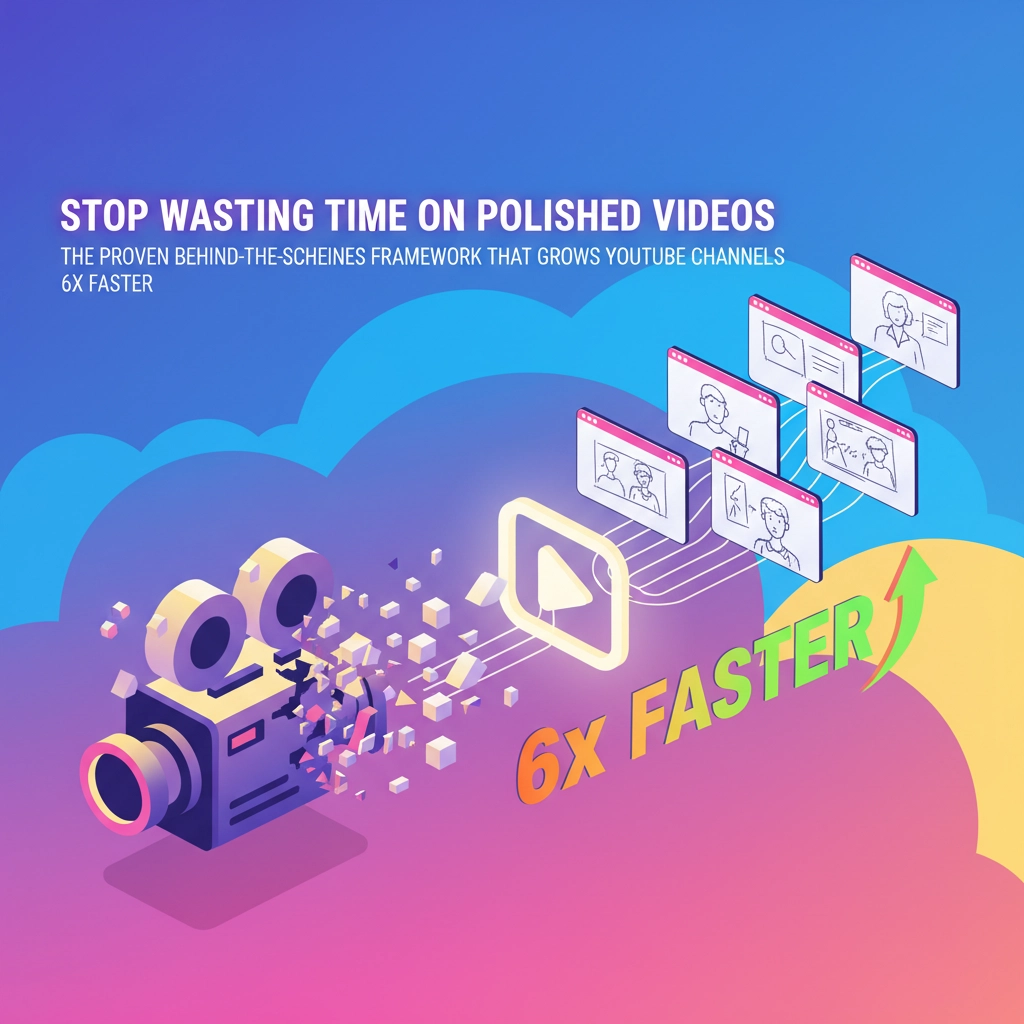
Stop Wasting Time on Polished Videos: The Proven Behind-the-Scenes Framework That Grows YouTube Channels 6x Faster

heroImage

You’re spending hours perfecting your lighting, scripting every word, and editing until your eyes burn. Meanwhile, creators posting raw, unfiltered behind-the-scenes content are building massive, engaged audiences while you’re stuck in production purgatory.

The uncomfortable truth? Your audience craves authenticity over perfection. Behind-the-scenes content increases audience retention by 40% and creates the genuine connection that transforms casual viewers into loyal subscribers and customers.

The Polished Video Trap That’s Killing Your Growth

Most small businesses and YouTubers fall into the same costly mistake: believing that professional-looking content equals professional results. This perfectionist mindset creates three critical problems that sabotage channel growth.

First, the production bottleneck prevents consistent publishing. While you’re spending weeks perfecting one video, competitors are publishing multiple pieces of authentic content that build momentum and feed the algorithm. YouTube rewards consistency above perfection, and gaps in your publishing schedule signal the algorithm to deprioritize your channel.

Second, polished content often feels distant and unapproachable. Viewers connect with people, not productions. When every video looks like a commercial, you’re missing the human element that drives subscriptions, comments, and shares.

image_1

Third, the pressure to maintain impossibly high production standards leads to creator burnout. The time and energy spent on elaborate setups could be redirected toward creating more content, engaging with your audience, and developing your unique voice.

Why Behind-the-Scenes Content Builds Unbreakable Audience Loyalty

Behind-the-scenes content works because it satisfies the fundamental human need for connection and insider access. Your audience doesn’t just want your final product: they want to understand your process, your struggles, and your personality.

This content format creates what marketers call “parasocial relationships”: one-sided emotional connections that make viewers feel like they know you personally. These relationships translate directly into higher watch times, increased engagement, and stronger subscriber loyalty.

Behind-the-scenes videos also solve the authenticity problem that plagues many channels. When viewers see your workspace, your creative process, or your team dynamics, they develop trust that no amount of polished presentation can replicate.

The format naturally encourages longer watch times because viewers become invested in your story and process. Instead of consuming your content passively, they’re actively engaged in understanding how you work, which keeps them watching longer and signals positive engagement to YouTube’s algorithm.

The 6-Step Behind-the-Scenes Framework

Step 1: Document Your Process, Not Just Results

Transform every project into content by filming your workflow. Whether you’re designing a website, preparing for a client meeting, or brainstorming new ideas, capture the messy, real moments that show how work actually gets done.

Create content around decision-making moments: “Here’s why we chose this approach over that one” or “Let me show you the mistake we made and how we fixed it.” These moments provide genuine value while showcasing your expertise in action.

Step 2: Share Your Workspace and Tools

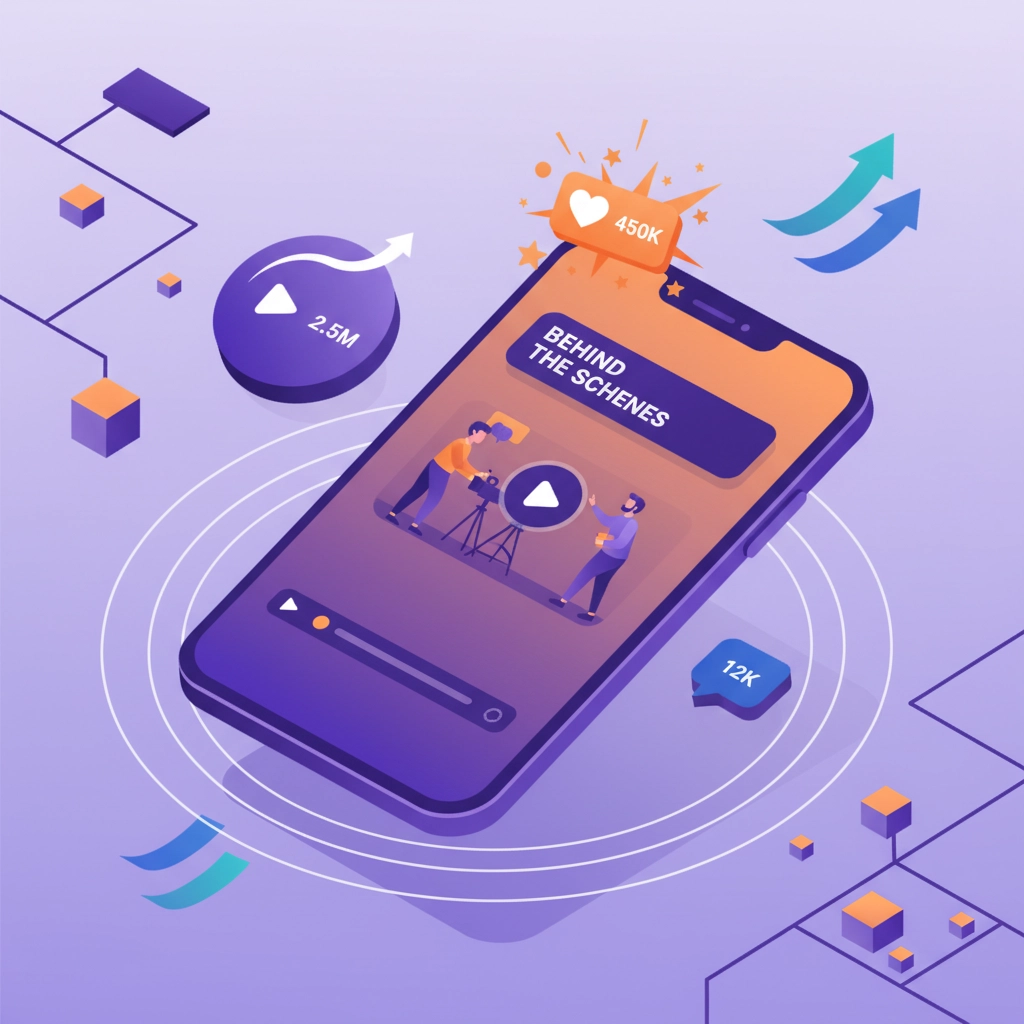
Give viewers access to your environment. Show your home office setup, your favorite tools, and the resources you use daily. This content performs exceptionally well because it’s immediately actionable for your audience.

Create “tool tours” where you explain why you chose specific software, equipment, or methods. These videos establish your authority while providing practical value that viewers can implement immediately.

image_2

Step 3: Include Your Team and Collaborations

If you work with others, bring them into your content. Team meetings, brainstorming sessions, and collaborative moments humanize your brand and show the relationships behind your work.

Client interactions (with permission) provide powerful social proof while demonstrating your professional process. Even solo entrepreneurs can create collaboration content by filming calls with mentors, partners, or industry connections.

Step 4: Document Failures and Learning Moments

Your biggest content opportunities often come from your biggest mistakes. Film yourself troubleshooting problems, admitting errors, and working through challenges. This vulnerability creates deeper connections than perfect success stories ever could.

Create “lessons learned” content that shows both the mistake and the solution. These videos provide immense value while positioning you as someone who learns and grows, making you more relatable and trustworthy.

Step 5: Show Your Learning and Development

Film yourself taking courses, reading industry publications, or attending events. This content demonstrates your commitment to staying current while providing value to viewers interested in the same topics.

Create “learning with me” content where you share new concepts as you discover them. This approach positions you as a continuous learner rather than someone who claims to know everything.

Step 6: Build Anticipation for Upcoming Projects

Use behind-the-scenes content to tease future releases, explain upcoming changes, or preview new services. This creates anticipation while giving viewers reasons to subscribe and return to your channel.

Show early stages of projects, explain your planning process, and ask for audience input on decisions. This involvement makes viewers feel invested in your success and more likely to engage with future content.

Implementation Strategies That Maximize Growth

Start with smartphone footage rather than waiting for perfect equipment. The authenticity of slightly imperfect video often outperforms overly polished content in terms of engagement and relatability.

Batch your behind-the-scenes filming to maintain consistency without overwhelming your workflow. Dedicate specific times to documenting your process rather than trying to film everything as it happens.

image_3

Create behind-the-scenes series that follow ongoing projects from start to finish. This episodic approach keeps viewers returning and builds anticipation for each installment.

Mix behind-the-scenes content with your regular programming rather than replacing it entirely. The most successful channels use authenticity as a complement to, not a replacement for, high-value educational or entertaining content.

Measuring and Optimizing Your Behind-the-Scenes Content

Track specific metrics that indicate authentic connection: average watch time, comment engagement rates, and subscriber conversion rates. Behind-the-scenes content should show higher engagement percentages even if absolute view counts are lower initially.

Monitor which types of behind-the-scenes content generate the most questions, comments, and follow-up video requests. This feedback reveals what your audience finds most valuable and helps you plan future content.

Pay attention to cross-platform performance. Behind-the-scenes content often performs exceptionally well on Instagram Stories, LinkedIn, and other platforms, extending your reach beyond YouTube.

Use audience polls and community posts to ask what processes or areas your viewers want to see. This direct feedback ensures your behind-the-scenes content addresses genuine curiosity rather than assumptions about audience interest.

The Long-Term Compound Effect

Behind-the-scenes content creates compounding returns that polished videos rarely achieve. As viewers become invested in your process and personality, they’re more likely to share your content, recommend your services, and become long-term customers.

This approach also makes content creation more sustainable. Instead of viewing every video as a major production, you begin seeing content opportunities in your daily work, reducing the mental and time investment required for consistent publishing.

The authenticity you develop through behind-the-scenes content becomes a competitive advantage that’s impossible to replicate. While competitors can copy your tactics, they can’t duplicate your personality, process, or team dynamics.

Ready to transform your YouTube channel with authentic, behind-the-scenes content that builds genuine connections and drives real business results? Stop spending weeks perfecting individual videos and start documenting the valuable work you’re already doing.

Contact Digital Traffic Factory today to develop a comprehensive YouTube growth strategy that combines authentic content with proven optimization techniques. Email robert@digitaltrafficfactory.com or call 203-217-9496 to schedule your consultation and discover how behind-the-scenes content can accelerate your channel growth.

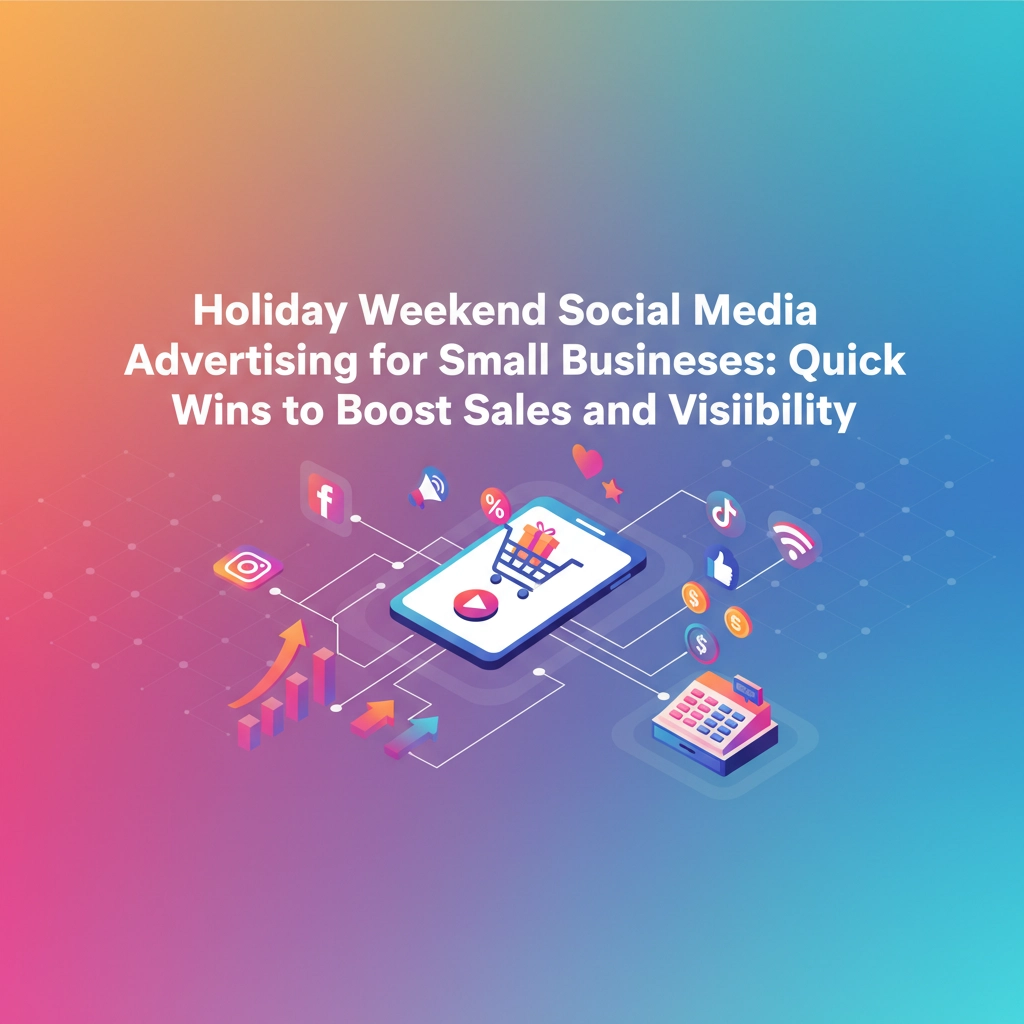
Holiday Weekend Social Media Advertising for Small Businesses: Quick Wins to Boost Sales and Visibility

heroImage

Holiday weekends represent golden opportunities for small businesses to capture increased consumer attention and drive meaningful sales growth. With shoppers actively seeking deals and spending more time on social media during extended weekends, strategic advertising campaigns can deliver exceptional returns even with modest budgets.

The key to holiday weekend success lies in understanding that consumers are already in a buying mindset. They expect promotions, seek out local businesses, and actively engage with brands that offer genuine value. Smart small business owners leverage this heightened engagement to build brand awareness, generate immediate sales, and establish lasting customer relationships.

Platform-Specific Strategies That Deliver Results

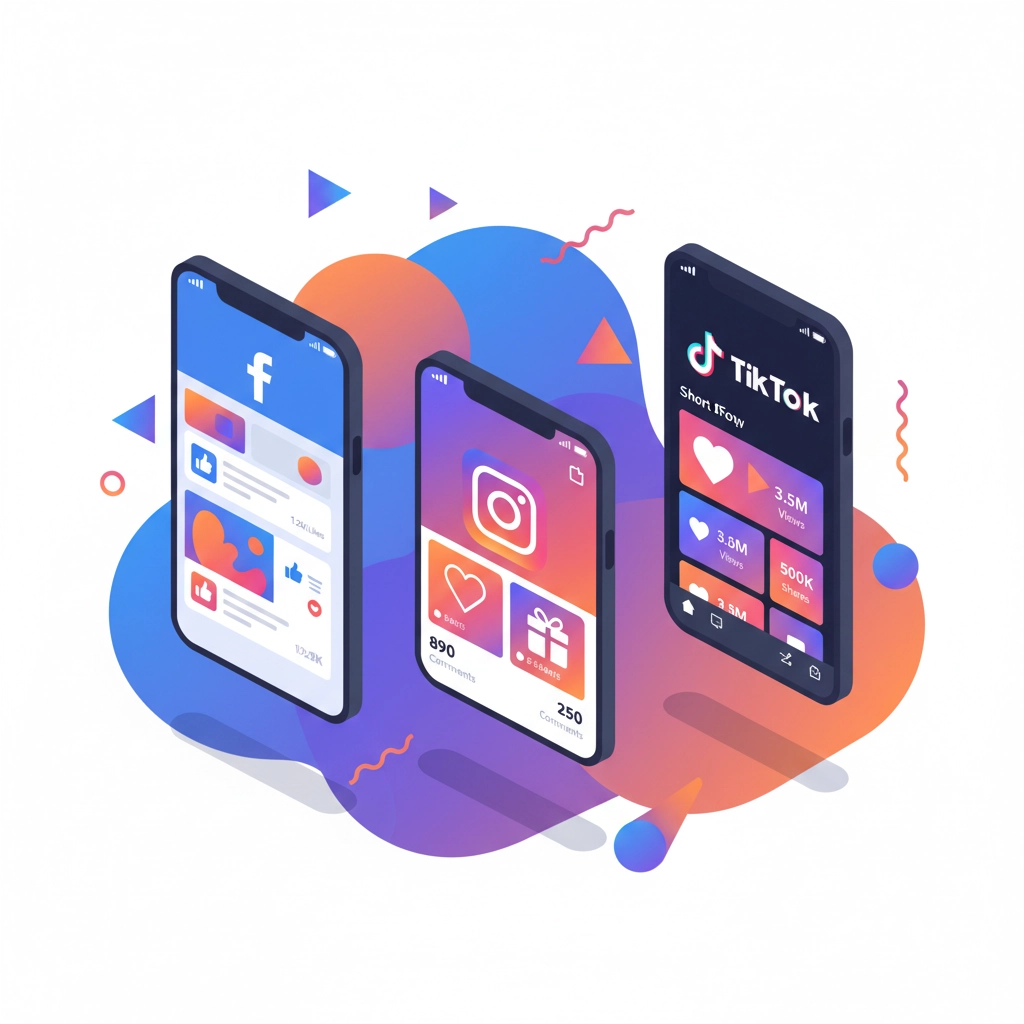
Facebook remains the powerhouse for small business advertising during holiday periods. The platform’s sophisticated targeting capabilities allow you to reach local customers based on location, interests, and shopping behaviors. Create carousel ads showcasing your best holiday products or services, and use Facebook’s event promotion tools to drive traffic to special weekend sales or in-store events.

Focus on Facebook’s local awareness objectives to target users within a specific radius of your business. This proves particularly effective for restaurants, retail stores, and service-based businesses looking to drive foot traffic during holiday weekends. Boost posts that highlight exclusive weekend offers or behind-the-scenes content showing your team preparing for the holiday rush.

Instagram excels at visual storytelling and impulse purchases. Use Instagram Stories to create urgency with countdown stickers for flash sales, and leverage the shopping feature to enable direct purchases from your posts. Partner with local micro-influencers who align with your brand values: they often provide better engagement rates than macro-influencers at a fraction of the cost.

Create Instagram Reels showcasing your products in holiday contexts or demonstrating quick tips related to your industry. The algorithm favors video content, and holiday-themed Reels often achieve broader organic reach than traditional posts.

image_1

TikTok offers unprecedented organic reach potential for creative small businesses. The platform rewards authentic, entertaining content over polished advertisements. Create short videos showing your holiday preparations, team members, or customers enjoying your products or services. Use trending sounds and hashtags, but ensure they align naturally with your brand message.

TikTok’s advertising platform remains cost-effective for small businesses, with lower minimum spends than other platforms. Test simple video ads featuring real customers or authentic moments from your business to build trust and engagement.

Budget-Friendly Tactics That Generate Maximum Impact

Start with organic content amplification before investing in paid advertising. Create compelling organic posts highlighting your holiday offerings, then boost the highest-performing content to expand its reach. This approach ensures you invest ad dollars in proven content rather than gambling on untested creative.

Implement the 80/20 rule for content strategy. Dedicate 80% of your content to providing value: tips, behind-the-scenes glimpses, customer spotlights, and educational content: while reserving 20% for direct promotional messages. This balance maintains audience engagement while avoiding the appearance of constant selling.

Leverage user-generated content to reduce creative costs. Encourage customers to share photos or videos featuring your products using a branded hashtag. Repost this content with permission, creating authentic social proof while reducing your content creation workload. Offer small incentives like discounts or feature opportunities to encourage participation.

Bundle services or products to increase average order value. Instead of simply discounting individual items, create holiday packages that provide genuine value while improving your profit margins. This strategy works particularly well for service-based businesses that can combine complementary offerings.

Creating Urgency and Timely Offers That Convert

Time-sensitive promotions generate immediate action from hesitant buyers. Implement countdown timers in your social media posts and ads, clearly stating when offers expire. Use language that emphasizes scarcity and deadline urgency: “Only 48 hours left,” “Limited weekend availability,” or “First 50 customers only.”

Flash sales create buzz and drive immediate traffic. Announce surprise sales exclusively to your social media followers, giving them first access before promoting to broader audiences. This approach rewards loyal followers while creating a sense of exclusivity that encourages social media engagement.

Early access deals build customer loyalty. Offer your email subscribers or social media followers exclusive early access to holiday sales before opening them to the general public. This strategy not only drives immediate sales but also incentivizes people to follow your accounts and subscribe to your communications.

image_2

Daily or hourly specials maintain engagement throughout long weekends. Rather than running one promotion for the entire weekend, create different offers for different times or days. This approach encourages customers to check your social media accounts regularly and can extend their engagement with your brand throughout the holiday period.

Content Strategies That Build Community and Drive Sales

Share the story behind your business and holiday preparations. Consumers increasingly support businesses they feel connected to, and holiday weekends provide perfect opportunities to showcase your team, values, and community involvement. Document your holiday preparation process, introduce team members, or share the history behind your holiday traditions.

Create educational content that positions your business as an expert. If you run a restaurant, share quick holiday entertaining tips. If you operate a retail store, provide gift-giving advice or styling suggestions. This valuable content builds trust while keeping your brand top-of-mind when customers are ready to purchase.

Host virtual or in-person events that create community connections. Live streams, virtual workshops, or in-store events provide opportunities for direct customer interaction and relationship building. Promote these events across all social platforms and encourage attendees to share their experiences, creating organic content amplification.

Collaborate with complementary local businesses. Partner with neighboring businesses to cross-promote each other’s holiday offerings. This strategy expands your reach to new audiences while building valuable community relationships. Consider creating joint contests, shared promotions, or collaborative content that benefits all participating businesses.

Measuring Success and Optimizing Performance

Track key performance indicators that align with your business goals. Beyond basic metrics like likes and shares, monitor conversion rates, cost per acquisition, and return on ad spend. Use UTM codes to track traffic from specific social media campaigns to your website, enabling accurate measurement of each platform’s effectiveness.

Test different ad formats and creative approaches. Run small-budget tests comparing video ads versus static images, carousel posts versus single images, and different call-to-action buttons. Let data guide your larger advertising investments rather than relying on assumptions about what works.

Monitor competitor activity for inspiration and differentiation opportunities. Observe how similar businesses in your area approach holiday marketing, but focus on differentiating your offerings rather than directly copying their strategies. Identify gaps in their approach that you can fill with unique value propositions.

image_3

Respond promptly to comments, messages, and reviews. Holiday weekends often generate increased customer inquiries and feedback. Quick, helpful responses demonstrate excellent customer service and can influence potential customers who observe your interactions. Set up notifications to ensure you don’t miss important customer communications during busy periods.

Advanced Tactics for Sustained Growth

Retarget website visitors with tailored social media ads. Install Facebook Pixel and other platform tracking codes to create custom audiences of people who visited your website but didn’t make purchases. Show these potential customers specific ads highlighting the products they viewed or offering exclusive incentives to complete their purchases.

Create lookalike audiences based on your best customers. Most social media platforms allow you to upload customer lists and find similar users who share characteristics with your most valuable customers. This targeting approach often delivers better results than broad demographic targeting.

Implement sequential messaging campaigns that tell complete stories. Rather than showing the same ad repeatedly, create series of ads that guide customers through a decision-making journey. Start with awareness-focused content, progress to consideration messages highlighting benefits, and conclude with action-oriented ads featuring clear calls-to-action and incentives.

Holiday weekend social media advertising success requires strategic planning, authentic content creation, and consistent execution. Small businesses that combine platform-specific strategies with budget-conscious tactics and genuine customer engagement consistently outperform competitors who rely solely on generic promotional approaches.

The key to lasting success lies in building relationships rather than simply pushing products. Focus on providing value, solving customer problems, and creating memorable experiences that extend beyond the holiday weekend itself.

Ready to transform your holiday weekend marketing from an afterthought into a revenue-generating strategy? Digital Traffic Factory specializes in helping small businesses maximize their social media advertising returns while staying within budget constraints. Our team understands the unique challenges facing small businesses and creates customized campaigns that deliver measurable results.

Contact Digital Traffic Factory today to discuss your holiday marketing strategy. Call 203-217-9496 or email robert@digitaltrafficfactory.com to schedule your consultation and discover how strategic social media advertising can drive immediate sales growth and long-term business success.

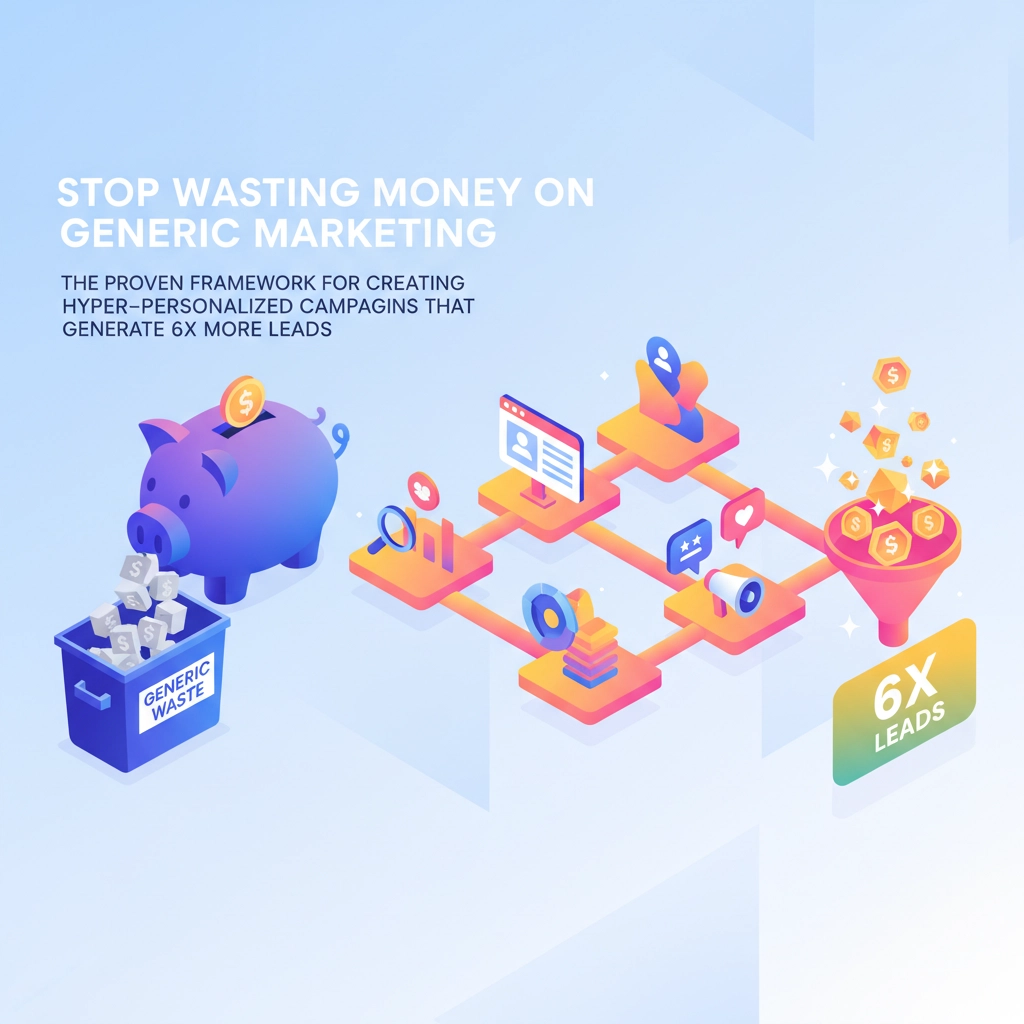
Stop Wasting Money on Generic Marketing: The Proven Framework for Creating Hyper-Personalized Campaigns That Generate 6x More Leads

heroImage

Generic marketing campaigns are hemorrhaging your advertising budget while delivering diminishing returns. In 2025, the data is crystal clear: 74% of consumers feel frustrated when website content isn’t personalized, and 63% now expect personalization as a standard service. Meanwhile, businesses still clinging to one-size-fits-all approaches are watching competitors capture their market share with hyper-targeted campaigns that generate 6x higher transaction rates.

The solution isn’t more budget: it’s smarter targeting. Hyper-personalized campaigns don’t just outperform generic marketing; they obliterate it. Companies implementing proven personalization frameworks report 3x return on investment compared to traditional advertising, while 92% of marketers confirm that personalization significantly improves conversion rates.

Why Generic Marketing Has Become a Costly Mistake

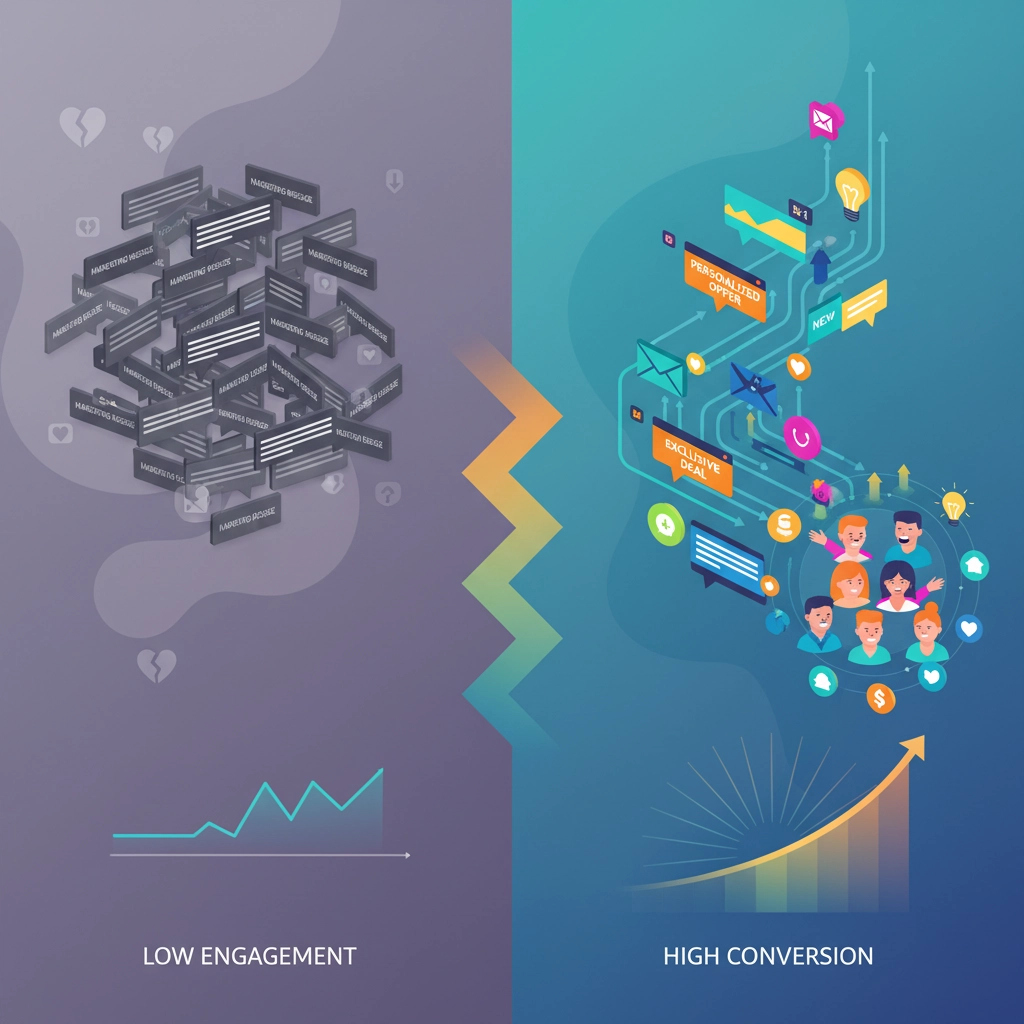
The digital landscape has fundamentally shifted. Consumers are bombarded with over 5,000 marketing messages daily, making generic campaigns virtually invisible. When everyone receives the same promotional email or sees identical social media ads, your message becomes background noise.

Consider these market realities:

  • 80% of consumers are more inclined to purchase from brands that provide tailored experiences
  • Generic emails have open rates below 18%, while personalized emails achieve 29% higher open rates
  • Traditional advertising CPCs have increased 45% in 2025, making inefficient campaigns financially devastating

The critical insight: Generic marketing assumes all customers have identical needs, motivations, and buying behaviors. This assumption has never been more wrong.

image_1

Understanding Hyper-Personalization: Beyond First-Name Marketing

True hyper-personalization transcends basic demographic targeting or inserting first names into email subject lines. It’s a data-driven strategy that uses advanced analytics, AI, and real-time behavioral insights to deliver individually tailored experiences at scale.

Hyper-personalization incorporates multiple data layers:

  • Behavioral data: Browsing patterns, click history, time spent on specific pages
  • Contextual factors: Device type, location, time of day, weather conditions
  • Purchase history: Previous transactions, abandoned carts, wishlist items
  • Engagement patterns: Email open rates, social media interactions, customer service touchpoints
  • Predictive insights: AI-generated recommendations based on similar customer profiles

This comprehensive approach enables businesses to anticipate customer needs and deliver relevant messages at the precise moment of highest intent.

The Proven 5-Step Framework for Hyper-Personalized Campaigns

Step 1: Centralize and Organize Customer Data

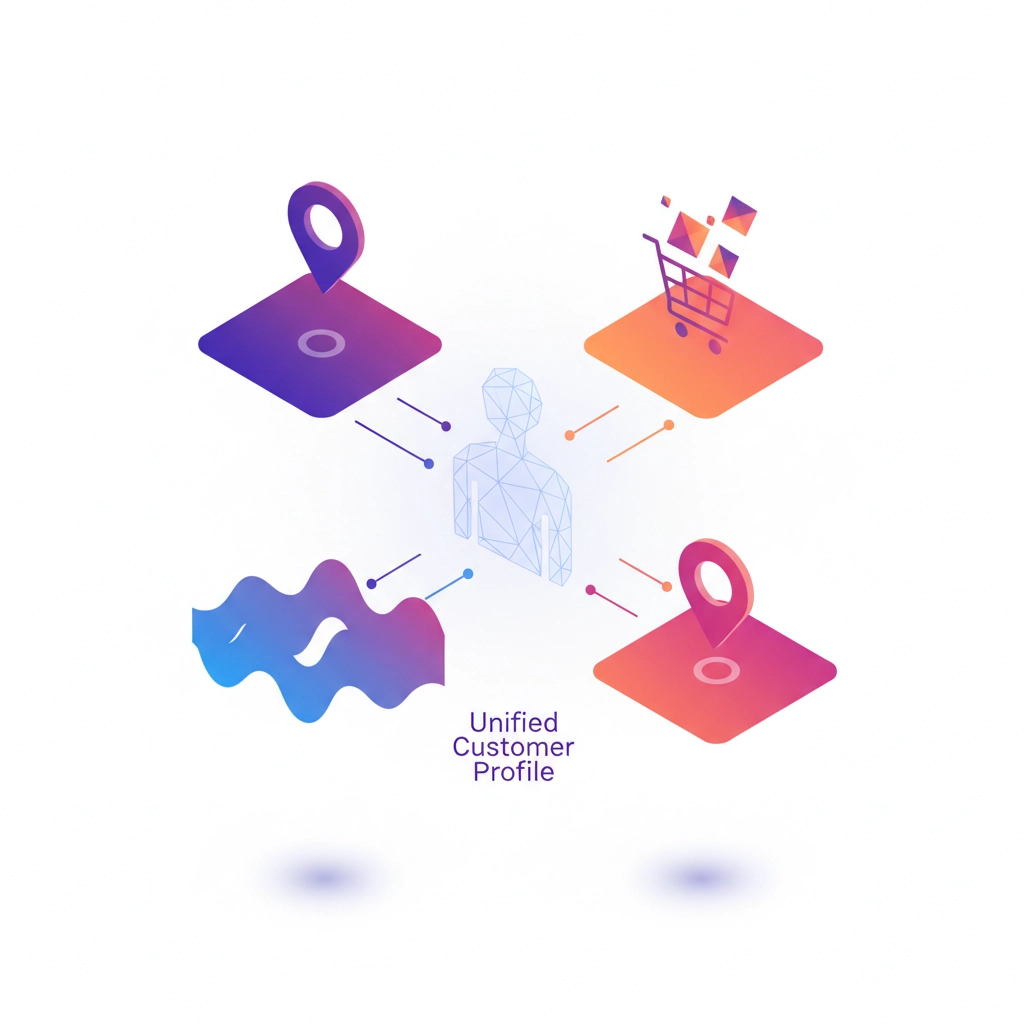
Your first priority is consolidating scattered customer information into a unified system. Most businesses already collect valuable data but store it across disconnected platforms: CRM systems, email marketing tools, social media analytics, and website tracking.

Implement a Customer Data Platform (CDP) that aggregates:

  • Website visitor behavior and conversion paths
  • Email engagement metrics and preferences
  • Social media interactions and sharing patterns
  • Purchase history and transaction values
  • Customer service interactions and feedback

Action item: Audit your current data sources and identify integration opportunities. Even small businesses can achieve significant personalization improvements by connecting their email marketing platform with their e-commerce analytics.

Step 2: Segment Beyond Demographics

Traditional demographic segmentation (age, gender, income) provides limited insight into purchase motivations. Advanced segmentation focuses on behavioral patterns and psychographic profiles.

Create segments based on:

  • Purchase behavior: Frequent buyers vs. occasional customers
  • Engagement level: Highly active vs. passive subscribers
  • Product preferences: Specific categories or price ranges
  • Customer lifecycle stage: New prospects vs. repeat customers vs. at-risk accounts
  • Seasonal patterns: Holiday shoppers vs. year-round purchasers

Pro tip: Start with your highest-value customer segment. Analyze their common behaviors and preferences, then create lookalike audiences for expansion.

image_2

Step 3: Implement AI-Powered Predictive Analytics

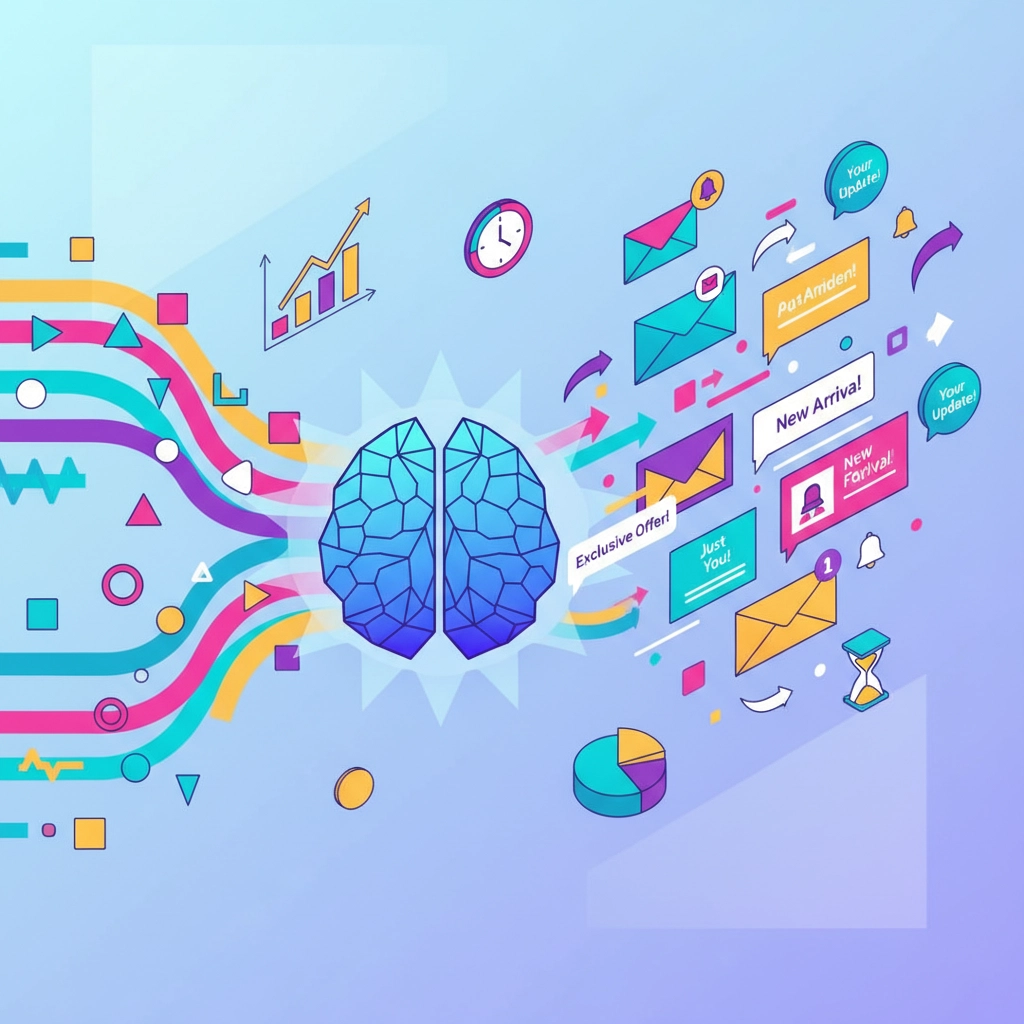
Machine learning algorithms excel at identifying patterns humans miss. These tools analyze vast datasets to predict customer behavior and optimize campaign timing.

Deploy AI for:

  • Next-best-action recommendations: What products should you promote to specific customers?
  • Optimal timing predictions: When is each customer most likely to engage?
  • Churn risk identification: Which customers need retention campaigns?
  • Cross-sell opportunities: What complementary products align with purchase history?
  • Price sensitivity analysis: How do different customers respond to discounts vs. premium positioning?

Implementation strategy: Begin with email marketing automation tools that include predictive features, then expand to more sophisticated platforms as you scale.

Step 4: Create Context-Aware Messaging

Context transforms generic offers into compelling, personalized experiences. Your messaging should adapt to multiple contextual factors simultaneously.

Location-based personalization: A beauty brand adjusting homepage content based on local weather conditions sees 35% higher conversion rates. Promote moisturizers during dry seasons and sunscreen before sunny weekends.

Behavioral triggers: Deploy messaging based on specific user actions:

  • Product page visits without purchases trigger educational content about benefits
  • Cart abandonment initiates urgency-based offers with limited-time incentives
  • Repeat purchases prompt loyalty program invitations and VIP benefits
  • Wishlist additions generate availability alerts and price drop notifications

Timing optimization: Analyze when individual customers typically engage with your content. Send emails when recipients are most likely to open them, not when it’s convenient for your schedule.

Step 5: Execute Omnichannel Integration

Hyper-personalization must function seamlessly across all customer touchpoints. Your personalized experience should remain consistent whether customers interact via email, social media, website, or in-store visits.

Channel synchronization strategies:

  • Website visitors see personalized product recommendations based on email click history
  • Social media ads reflect browsing behavior from your website
  • Email campaigns reference social media engagement patterns
  • In-store experiences acknowledge online purchase history

Measurement and optimization: Track customer journeys across channels to identify friction points and optimization opportunities.

image_3

Measurable Results: The 6x Lead Generation Impact

The quantified benefits of hyper-personalization extend far beyond theoretical improvements:

Email marketing results:

  • Hyper-personalized emails generate 6x higher transaction rates than generic campaigns
  • Open rates improve by 29% with advanced personalization
  • Click-through rates increase by 41% with behavioral targeting

Advertising performance:

  • Personalized ads deliver 3x return on investment compared to generic campaigns
  • Cost per acquisition decreases by 38% with precise audience targeting
  • Conversion rates improve by 52% when campaigns align with individual customer preferences

Customer lifetime value:

  • Personalized experiences increase customer retention rates by 27%
  • Average order values grow by 19% through targeted product recommendations
  • Customer satisfaction scores improve by 33% with relevant messaging

Implementation Best Practices for Maximum Impact

Start with high-impact, low-complexity initiatives. Personalize email subject lines based on purchase history before implementing complex AI-driven product recommendations. Build momentum with quick wins that demonstrate clear ROI.

Prioritize data privacy and transparency. Customers willingly share personal information when they understand the value exchange. Clearly communicate how personalization benefits them and maintain rigorous data security standards.

Test everything continuously. Hyper-personalization strategies require ongoing optimization. A/B test different messaging approaches, timing strategies, and offer types to identify what resonates with each segment.

Invest in employee training. Your team needs to understand both the technology and strategy behind personalization. Provide comprehensive training on data interpretation, campaign optimization, and customer psychology.

Advanced Strategies for Competitive Advantage

Predictive personalization anticipates customer needs before they’re explicitly expressed. Analyze seasonal purchasing patterns to promote relevant products ahead of demand cycles. If customers historically buy winter coats in October, start personalized outerwear campaigns in September.

Dynamic content optimization adjusts website experiences in real-time based on visitor behavior. First-time visitors see educational content and brand introductions, while returning customers view personalized product recommendations and account-specific offers.

Collaborative filtering leverages community behavior to enhance individual experiences. “Customers like you also purchased” recommendations become more sophisticated when powered by comprehensive behavioral analysis rather than simple purchase correlations.

image_4

Overcoming Common Implementation Challenges

Data quality concerns: Clean, accurate data is essential for effective personalization. Implement regular data auditing processes and invest in data validation tools to maintain campaign integrity.

Technology integration complexity: Choose platforms designed for scalability and integration. Start with all-in-one marketing automation tools before expanding to specialized solutions.

Resource allocation: Personalization requires dedicated personnel and ongoing optimization. Budget for both technology costs and human resources to manage and refine campaigns.

The 2025 Competitive Reality

Businesses that postpone hyper-personalization implementation face escalating competitive disadvantages. Customer expectations continue rising while generic marketing becomes increasingly expensive and ineffective.

Early adopters are capturing disproportionate market share by delivering superior customer experiences. They’re building deeper customer relationships, achieving higher lifetime values, and creating sustainable competitive moats through data-driven insights.

The window for competitive advantage is narrowing. Companies implementing comprehensive personalization strategies now will establish market leadership positions that become increasingly difficult for competitors to challenge.

Your Next Steps Toward 6x Lead Generation

Stop wasting marketing budget on campaigns that treat all customers identically. The framework for hyper-personalized marketing is proven, accessible, and immediately implementable. Your competitors are already using these strategies to capture market share and build customer loyalty.

Ready to transform your marketing results with hyper-personalized campaigns that generate 6x more leads? Our team at Digital Traffic Factory specializes in implementing data-driven personalization strategies that deliver measurable ROI improvements.

Contact us today at 203-217-9496 or email robert@digitaltrafficfactory.com to discuss how we can help you build marketing campaigns that speak directly to individual customer needs and dramatically improve your conversion rates.

Don’t let another month pass with generic marketing campaigns that waste your budget and miss opportunities. The time for hyper-personalization is now.

Google CPCs Are Up 45% in 2025: 7 Smart Strategies to Cut Your Ad Costs Without Losing Conversions

heroImage

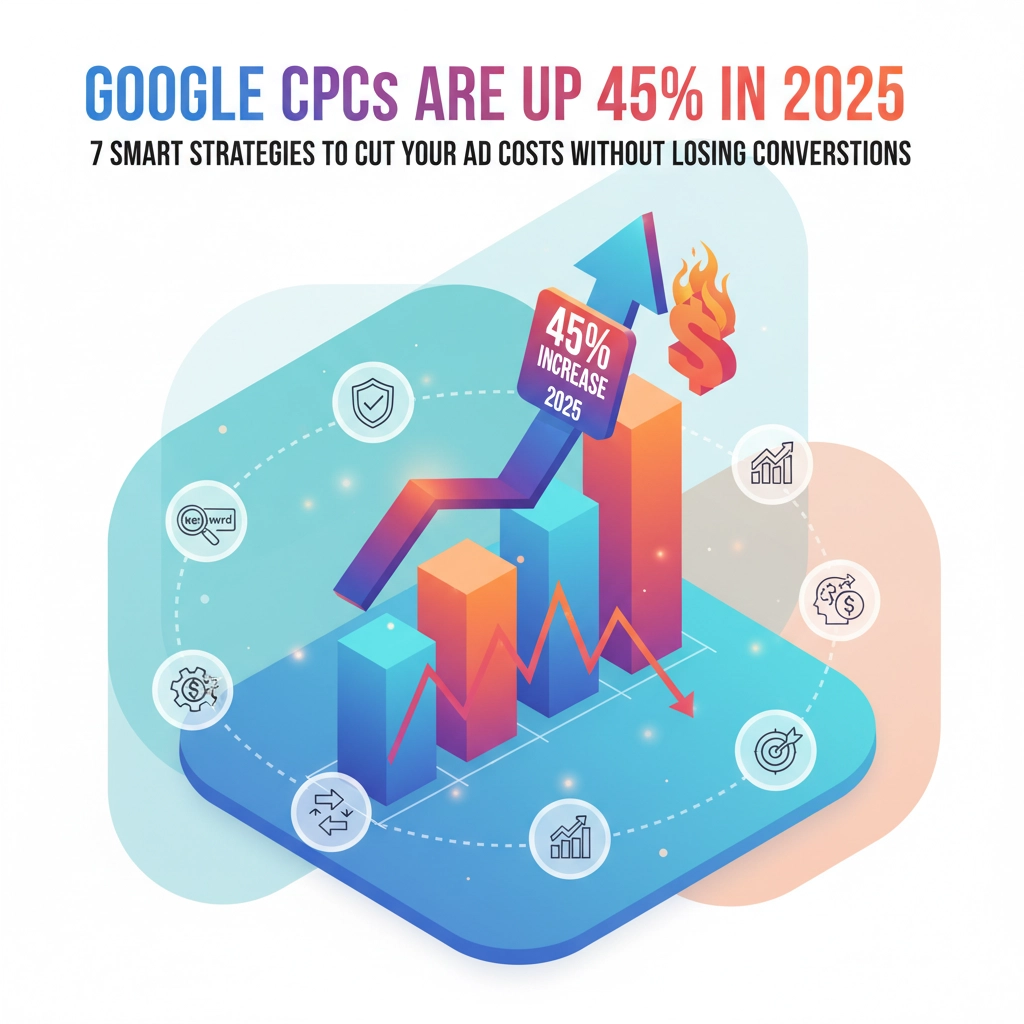
If you’ve noticed your Google Ads costs skyrocketing lately, you’re not alone. The first half of 2025 has brought a sharp 45% increase in average cost-per-click (CPC) rates across competitive verticals, with the current average CPC hitting $5.26. This dramatic surge has left many businesses scrambling to maintain their advertising ROI while dealing with significantly higher acquisition costs.

The cost explosion stems from multiple converging factors: increased competition as more businesses shift to digital-first strategies, Google’s emphasis on AI-powered automation campaigns like Performance Max, and tightening privacy regulations that are forcing marketers to completely rethink their budget allocation strategies.

But here’s the good news: while 65% of advertisers are seeing higher CPCs, conversion rates have actually improved in most industries. This means the businesses that adapt their strategies correctly can still achieve profitable results: even in this high-cost environment.

Strategy 1: Master Quality Score Optimization for Immediate CPC Reductions

Your Quality Score directly impacts how much you pay per click, and improvements here can reduce your CPC by 20-40% almost instantly. This makes Quality Score optimization your fastest path to cost reduction without sacrificing performance.

Focus on creating tight alignment between your keywords, ad copy, and landing pages. Your ads must answer exactly what users are searching for: no exceptions. Include clear, compelling value propositions that immediately communicate what sets you apart from competitors.

image_1

Leverage ad extensions aggressively. Sitelinks, callouts, structured snippets, and location extensions make your ads larger, more informative, and more clickable. These extensions improve your ad rank while providing users with additional reasons to choose your business over competitors.

Test ad copy variations consistently. Even small tweaks to headlines or descriptions can deliver surprising performance lifts. Focus on benefit-driven language that speaks directly to user intent rather than generic feature lists.

Strategy 2: Target High-Intent Audiences with Laser Precision

Rather than casting a wide net and hoping for the best, zero in on users most likely to convert. This precision targeting approach ensures every click has maximum value potential.

Implement advanced audience segmentation that goes beyond basic demographics. Target website visitors who viewed specific product pages, users who abandoned their shopping carts, and customers with previous purchase history. These high-intent audiences convert at significantly higher rates, making each click more valuable.

Build comprehensive exclusion lists to filter out audiences that historically don’t convert. This prevents wasted spend on unproductive clicks from job seekers, competitors, or users outside your ideal customer profile.

Ready to optimize your audience targeting? Contact Digital Traffic Factory at 203-217-9496 for expert campaign analysis.

Tighten your geographic targeting around profitable ZIP codes and regions. If certain areas consistently deliver conversions at lower costs, adjust your bidding strategies to capitalize on these opportunities while reducing spend in underperforming locations.

Strategy 3: Optimize Your Keyword Strategy for Maximum Efficiency

Strategic keyword management can dramatically reduce wasted spend while maintaining or improving conversion volume. Start by conducting a comprehensive negative keyword audit to eliminate irrelevant clicks that drain your budget.

Choose appropriate keyword match types based on your campaign goals. Broad match can invite unwanted traffic, while phrase or exact match types provide greater precision for high-value keywords. Use broad match sparingly and only with robust negative keyword lists.

image_2

Leverage automated keyword tools to identify high-converting, low-cost opportunities while simultaneously discovering negative keywords that save budget waste. These tools can process massive amounts of search data to uncover profitable keyword combinations you might miss manually.

Focus on long-tail keywords that indicate strong purchase intent. While these keywords typically have lower search volumes, they often convert at higher rates and face less competition, resulting in lower CPCs and better ROI.

Strategy 4: Enhance Landing Page Performance for Better Conversions

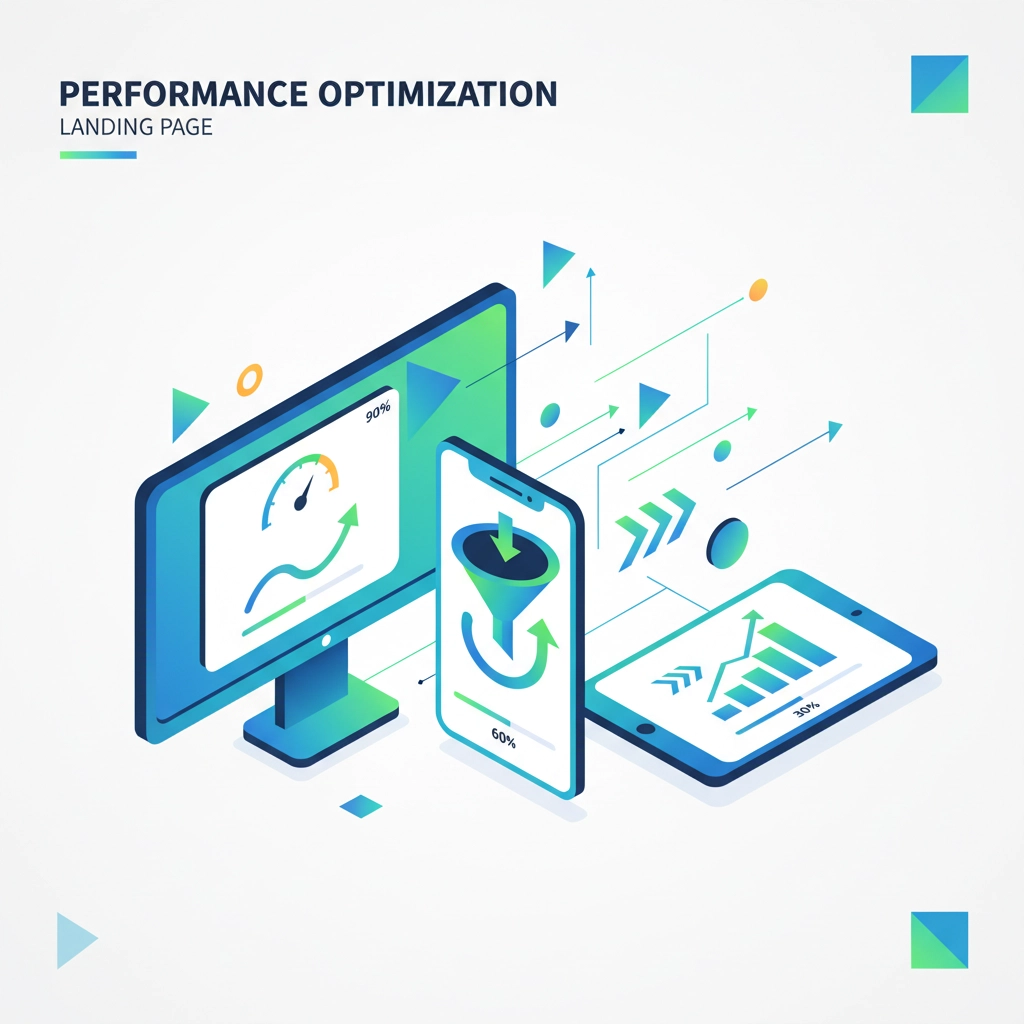
Your landing page performance directly impacts both your Quality Score and conversion rates. A slow, poorly optimized landing page can kill conversions faster than almost any other factor in your campaign.

Improve loading speed immediately. Pages that load in under three seconds see significantly better conversion rates and lower CPCs. Use tools like Google PageSpeed Insights to identify specific performance bottlenecks and address them systematically.

Ensure complete message consistency between your ads and landing pages. If your ad promises a specific offer or solution, that promise must be immediately visible and actionable on your landing page. Inconsistency creates confusion and kills conversions.

Simplify your conversion process. Remove unnecessary form fields, eliminate distracting navigation elements, and create clear, compelling calls-to-action that guide users toward conversion. Every additional step in your conversion process reduces your completion rate.

Strategy 5: Implement Smart Bidding Strategies with Active Oversight

Automated bidding can help optimize your costs, but only when implemented with proper monitoring and strategic oversight. Use Target CPA (Cost-Per-Acquisition) bidding to align your bids with acceptable conversion costs, preventing overpayment for clicks.

For campaigns with fixed budgets, utilize “Maximize Conversions with a Budget Cap” to extract maximum conversion volume without exceeding your spending limits. This strategy works particularly well for businesses with consistent lead values.

image_3

Apply seasonal bidding adjustments during peak business periods to avoid burning through your budget too quickly during high-competition times. Monitor performance closely during these periods and adjust bids based on real-time conversion data.

While automation provides significant benefits, maintain active oversight of your campaigns. Review performance metrics weekly, identify trends in cost and conversion data, and make manual adjustments when automated systems aren’t delivering optimal results.

Strategy 6: Leverage Automated Ad Copy and Creative Optimization

Generate optimized ad copy based on real-time performance data to match your audience’s evolving intent patterns. This approach leads to higher click-through rates, improved Quality Scores, and lower CPCs while boosting overall campaign performance.

Test responsive search ads (RSAs) with multiple headline and description combinations to identify the most effective messaging variations. Google’s machine learning algorithms will automatically show the best-performing combinations to different user segments.

Rotate your ad creative monthly to prevent audience fatigue. Users who see the same ads repeatedly become less likely to click, which hurts your click-through rates and Quality Scores. Fresh creative maintains engagement and performance levels.

Need help optimizing your ad creative? Email robert@digitaltrafficfactory.com for a free campaign audit.

Use dynamic keyword insertion strategically to make your ads more relevant to specific search queries. This technique can improve ad relevance and Quality Scores when implemented correctly, but avoid overusing it in ways that make your ads look generic or robotic.

Strategy 7: Focus on Conversion Rate Optimization Over Click Volume

True campaign success depends on your cost per lead (CPL) and customer acquisition cost (CAC), not individual click metrics. While CPCs have risen significantly, businesses that focus on conversion optimization often achieve better overall ROI.

Prioritize campaign structure for efficiency. Create tightly organized ad groups with narrow keyword themes, specific geographic targeting, and landing pages designed for specific user intents. This structure typically delivers better ROI than broad, unfocused campaigns.

image_4

Track meaningful metrics beyond clicks and impressions. Monitor conversion rates, average order values, customer lifetime values, and return on ad spend (ROAS). These metrics provide clearer pictures of campaign profitability than surface-level engagement metrics.

Implement conversion tracking across multiple touchpoints to understand your complete customer journey. Many conversions happen after multiple interactions with your ads and website, so comprehensive tracking helps you optimize for actual business results rather than last-click attribution.

Navigate 2025’s High-CPC Environment Successfully

The 45% increase in Google CPCs represents a significant challenge, but businesses that implement strategic optimizations can maintain or improve their advertising ROI. Start with Quality Score improvements and audience precision targeting, as these strategies typically deliver the fastest results.

Remember that conversion rates have actually improved in most industries despite higher costs, indicating that better targeting and ad alignment are possible even in this challenging environment. Focus on implementing one or two strategies completely before expanding to additional optimization tactics.

The key to success lies in treating each click as a valuable investment rather than a volume metric. By combining Quality Score optimization, precision targeting, strategic keyword management, landing page excellence, and smart bidding strategies, you can reduce wasted spend while maintaining or improving conversion performance.

Ready to cut your Google Ads costs without sacrificing conversions? Digital Traffic Factory specializes in helping businesses navigate rising advertising costs while maximizing ROI. Contact us at 203-217-9496 or email robert@digitaltrafficfactory.com for a comprehensive campaign analysis and customized cost-reduction strategy.

Negative Review Extortion Scams Are Exploding: 5 Steps to Protect Your Business Reputation Right Now

heroImage

Negative review extortion scams have reached epidemic proportions in 2025, with thousands of businesses falling victim to coordinated attacks designed to destroy their online reputation and extract ransom payments. These sophisticated schemes are targeting businesses across every industry, from local restaurants to professional service providers, causing immediate revenue loss and long-term reputational damage.

The urgency cannot be overstated: businesses that fail to respond correctly to these attacks often see their Google ratings plummet overnight, losing potential customers who judge their credibility based on online reviews. However, businesses that understand the tactics and implement proper protection strategies can not only defend themselves but emerge stronger than before.

Why Review Extortion Scams Are Exploding in 2025

The dramatic increase in review extortion scams stems from several converging factors. First, the economic pressures of 2025 have created more desperate actors willing to engage in fraud, while the digital sophistication of criminal networks has improved dramatically. Scammers have discovered that most business owners panic when faced with a sudden barrage of negative reviews, making them easy targets for extortion.

More concerning is the low barrier to entry for these attacks. Creating fake Google accounts costs nothing, and communication channels like WhatsApp and Telegram provide anonymity for criminals. The potential payoff is substantial: many businesses pay hundreds or thousands of dollars to make the problem disappear quickly, creating a lucrative criminal enterprise.

image_1

The psychological manipulation is particularly effective because business owners see their carefully built reputation destroyed in hours. A restaurant that maintained a 4.8-star rating for years can drop to 2.3 stars overnight, triggering immediate customer concern and reservation cancellations. This creates the perfect storm for successful extortion.

Understanding the Two-Stage Attack Pattern

Modern review extortion operates as a sophisticated two-stage assault. The first phase involves “review bombing”: flooding your Google Business Profile with multiple fake negative reviews in a compressed timeframe. These reviews typically come from newly created accounts with no profile photos, minimal activity history, and generic usernames.

The fake reviews often share similar language patterns, focusing on vague complaints like “terrible service,” “unprofessional staff,” or “would not recommend.” The reviews appear within hours or days of each other, creating an obvious pattern that legitimate customer complaints would never follow.

Stage two launches immediately after the review bombing. Scammers contact you directly through WhatsApp, Telegram, email, or social media with explicit extortion demands. They threaten that the negative reviews will remain permanently unless you pay money, provide free services, or send gift cards and cryptocurrency. They often claim to have the power to add more negative reviews if you refuse their demands.

The 5 Essential Steps to Protect Your Business Right Now

Step 1: Never Engage or Pay the Extortionists

This is the most critical rule that determines whether you become a repeat target or successfully defend your business. Do not respond to extortion demands under any circumstances, regardless of how much pressure they apply or how urgent their threats sound.

Paying these criminals accomplishes nothing positive. Payment does not guarantee review removal, and it immediately marks your business as a willing victim for future attacks. Scammers maintain lists of businesses that pay, sharing this information across criminal networks to maximize their profits.

The engagement trap is equally dangerous. Responding to their messages: even to refuse payment: signals that you’re actively monitoring their communications and potentially willing to negotiate. This can escalate their pressure tactics and make you a higher-priority target.

Document their contact attempts but maintain complete radio silence. This approach forces them to move on to easier targets while preserving your legal position if law enforcement becomes involved.

Step 2: Immediately Document All Evidence

The moment you suspect a review extortion attack, begin systematically collecting evidence. This documentation becomes crucial for reporting to Google, supporting law enforcement investigations, and protecting your business legally.

Screenshot every suspicious review, capturing the reviewer’s name, profile information, review content, and timestamp. Pay special attention to accounts with no profile photos, recent creation dates, or minimal review history. These indicators help establish the fraudulent nature of the attack.

image_2

Preserve all communications from the scammers across every platform. Save WhatsApp messages, Telegram conversations, emails, social media direct messages, and any other contact attempts. Include timestamps and create organized digital folders to maintain this evidence systematically.

Critical documentation elements include:

  • Screenshots of all fake reviews with full reviewer profiles visible
  • Complete conversation threads with scammers
  • Timestamps showing the compressed timeframe of review bombing
  • Evidence of similar language patterns across fake reviews
  • Screenshots of your business rating before and after the attack

This evidence package becomes your foundation for successful resolution through official channels.

Step 3: Report Through Google’s Dedicated Extortion Form

Google launched a specialized merchant extortion report form in October 2025, acknowledging the severity of this problem and streamlining the resolution process. This dedicated channel has proven significantly more effective than general review dispute mechanisms.

Access the form through your Google Business Profile while logged into your business account. The form requires specific information about your business, detailed descriptions of the extortion attempt, and comprehensive evidence of the fraudulent activity.

Complete the form with precision:

  • Provide your business information and affected Google Business Profile details
  • Describe the review bombing pattern with specific dates and reviewer information
  • Upload evidence of extortion communications showing explicit demands for payment
  • Include screenshots demonstrating the artificial nature of the review surge

Reports submitted through this official channel receive priority processing, with many businesses reporting successful removal of fraudulent reviews within days rather than weeks. The key is providing comprehensive evidence that clearly establishes the extortion attempt.

Step 4: Respond Professionally to Fake Reviews (Strategic Option)

While Google processes your extortion report, consider posting measured, professional public responses to the fraudulent reviews. This strategy serves multiple purposes: it signals to potential customers that you’re actively managing your online presence, demonstrates transparency, and can actually strengthen customer trust when handled correctly.

Craft responses that acknowledge the review without admitting fault or appearing defensive. A professional response might read: “We take all customer feedback seriously and are committed to providing excellent service. We’d welcome the opportunity to discuss your experience directly to understand how we can improve.”

image_3

This approach accomplishes several objectives simultaneously. It shows potential customers that you care about feedback and are willing to address concerns. It also creates a public record of your professional handling of the situation, which can actually enhance your reputation among customers who recognize manufactured negativity.

Avoid these response mistakes:

  • Accusatory language that labels reviews as fake
  • Defensive explanations that make you appear guilty
  • Emotional responses that suggest poor customer service
  • Threats or aggressive language toward reviewers

Maintain professional composure in all public responses, treating them as opportunities to demonstrate your commitment to customer satisfaction.

Step 5: Build a Strong Positive Review Foundation

The most effective long-term protection against review extortion involves building a robust foundation of authentic positive reviews from satisfied customers. This strategy provides insulation against fake negative reviews while demonstrating your business’s credibility to potential customers.

Develop systematic processes for encouraging satisfied customers to share their experiences online. This might include follow-up emails after successful transactions, gentle requests during checkout processes, or incentive programs that reward honest feedback.

Effective review generation strategies:

  • Personalized follow-up communications thanking customers and inviting feedback
  • Strategic timing of review requests when customer satisfaction is highest
  • Multiple platform presence beyond Google (Yelp, Facebook, industry-specific sites)
  • QR codes or direct links that simplify the review submission process
  • Staff training on appropriate ways to request customer feedback

However, maintain strict compliance with Google’s review policies. Never engage in review gating (asking only satisfied customers to review), never offer incentives specifically for positive reviews, and never create fake positive reviews to counteract negative ones.

A business with 200+ authentic positive reviews can absorb a handful of fake negative reviews without significant impact on overall rating or customer perception. This buffer effect makes your business a less attractive target for future extortion attempts.

Critical Mistakes That Worsen the Situation

Several common responses to review extortion actually escalate the problem and should be avoided completely. Threatening the scammers or attempting negotiation signals engagement and can trigger more aggressive attacks. These criminals often work in networks, and aggressive responses from victims can result in coordinated revenge attacks across multiple platforms.

Never make these critical errors:

  • Offering any form of payment or compensation to resolve the situation
  • Engaging in public arguments with fake reviewers
  • Reporting legitimate negative customer reviews as extortion without evidence
  • Attempting to create fake positive reviews to counteract fake negative ones
  • Ignoring the problem hoping it will resolve itself

Mass reporting genuine customer complaints as extortion can trigger restrictions on your business profile, creating additional problems beyond the original extortion attempt. Google’s systems can penalize businesses that abuse the reporting process, potentially limiting your ability to manage your online presence effectively.

When to Involve Law Enforcement

Certain extortion situations warrant immediate law enforcement involvement, particularly when threats escalate beyond simple review manipulation or when evidence suggests organized criminal networks.

Contact local police when extortion demands involve substantial monetary amounts, explicit threats against your business or employees, or evidence of organized fraud operations targeting multiple businesses in your area. Law enforcement agencies are increasingly recognizing review extortion as a serious crime worthy of investigation and prosecution.

Maintain all documentation for potential law enforcement use, as criminal investigations require comprehensive evidence to proceed effectively. Your systematic evidence collection serves dual purposes: supporting Google’s review removal process and providing law enforcement with the foundation for criminal prosecution.

Protecting Your Business’s Future

The businesses that successfully navigate review extortion attacks share common characteristics: they respond quickly, refuse to engage with criminals, use official reporting channels effectively, and maintain professional public communications throughout the crisis.

More importantly, they use the experience as motivation to strengthen their overall online reputation management strategies. This includes diversifying their review presence across multiple platforms, implementing systematic customer feedback collection processes, and developing crisis response protocols for future attacks.

Your business’s online reputation represents years of hard work and customer satisfaction. Protecting it requires understanding modern threats, implementing proper defensive strategies, and working with experienced professionals who understand the evolving landscape of digital reputation management.

Don’t let review extortionists destroy what you’ve built. Take immediate action using these proven strategies, and consider working with digital marketing experts who understand the complexities of modern reputation management.

Ready to protect your business from review extortion and strengthen your online reputation? Contact Digital Traffic Factory today for expert guidance on reputation management strategies that work. Call us at 203-217-9496 or email robert@digitaltrafficfactory.com to discuss how we can help safeguard your business’s digital presence and ensure your customers find the authentic representation of your quality service.

Local SEO in 2025: Why Bing Places Updates Could 10X Your Visibility (Before Your Competitors Catch On)

heroImage

Most local businesses are missing a massive opportunity hiding in plain sight. While everyone obsesses over Google rankings, Microsoft has quietly transformed Bing into a local search powerhouse that could dramatically boost your visibility: if you act now, before your competitors catch on.

The numbers don’t lie: Bing powers search across Windows, Edge, Copilot, and major AI assistants. Yet most businesses still treat Bing as an afterthought. This creates a perfect storm of opportunity for savvy business owners who understand what’s happening beneath the surface.

Why Bing Has Become Essential for Local Businesses in 2025

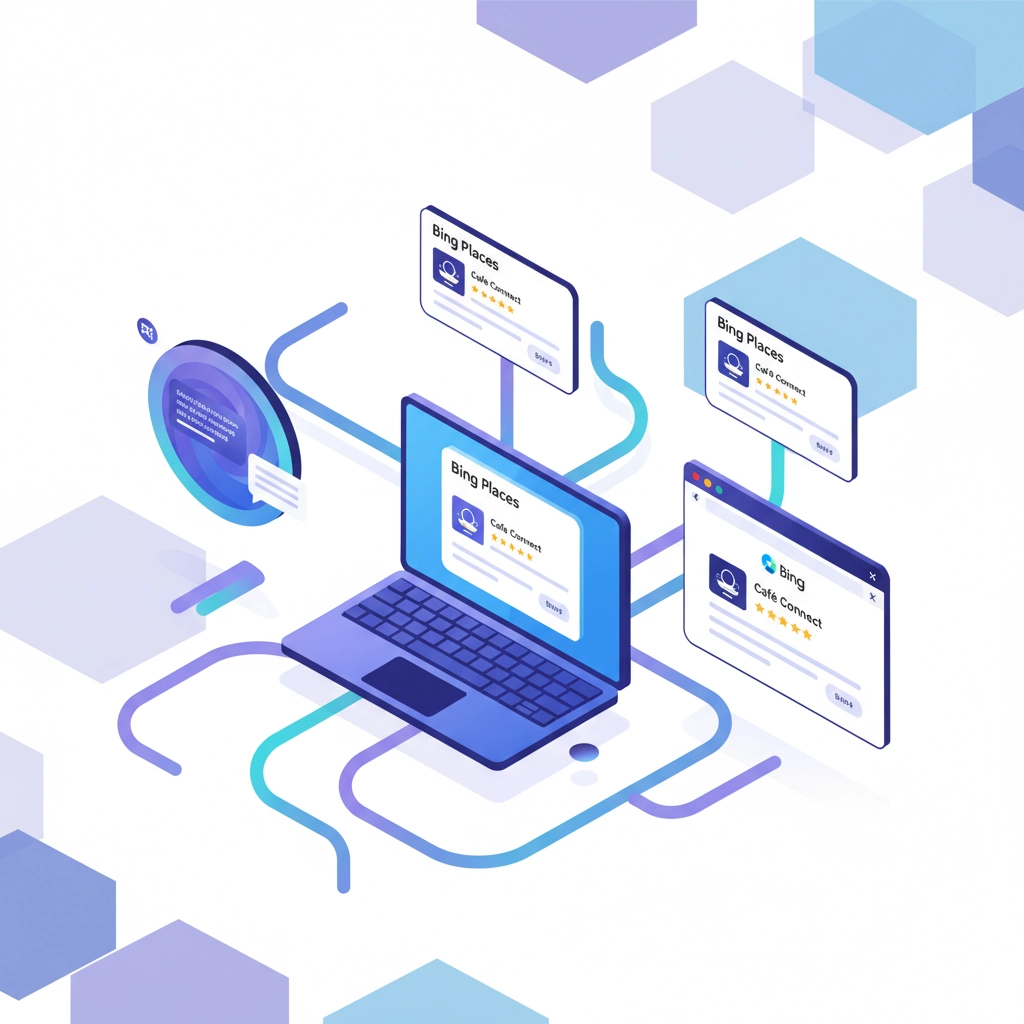
Microsoft didn’t just update Bing Places: they completely reimagined how local businesses can tap into their expanding ecosystem. When customers search from their Windows taskbar, use Microsoft Edge, or ask Copilot for recommendations, they’re accessing Bing-powered results. Your optimized Bing Places listing now appears across multiple Microsoft touchpoints without additional effort.

The real game-changer? AI integration. ChatGPT, Copilot, and other AI assistants increasingly pull business information from Bing when answering local queries like “find the best plumber near me” or “top-rated restaurants downtown.” This means your Bing Places listing can influence AI-generated recommendations: a completely new visibility channel that barely existed two years ago.

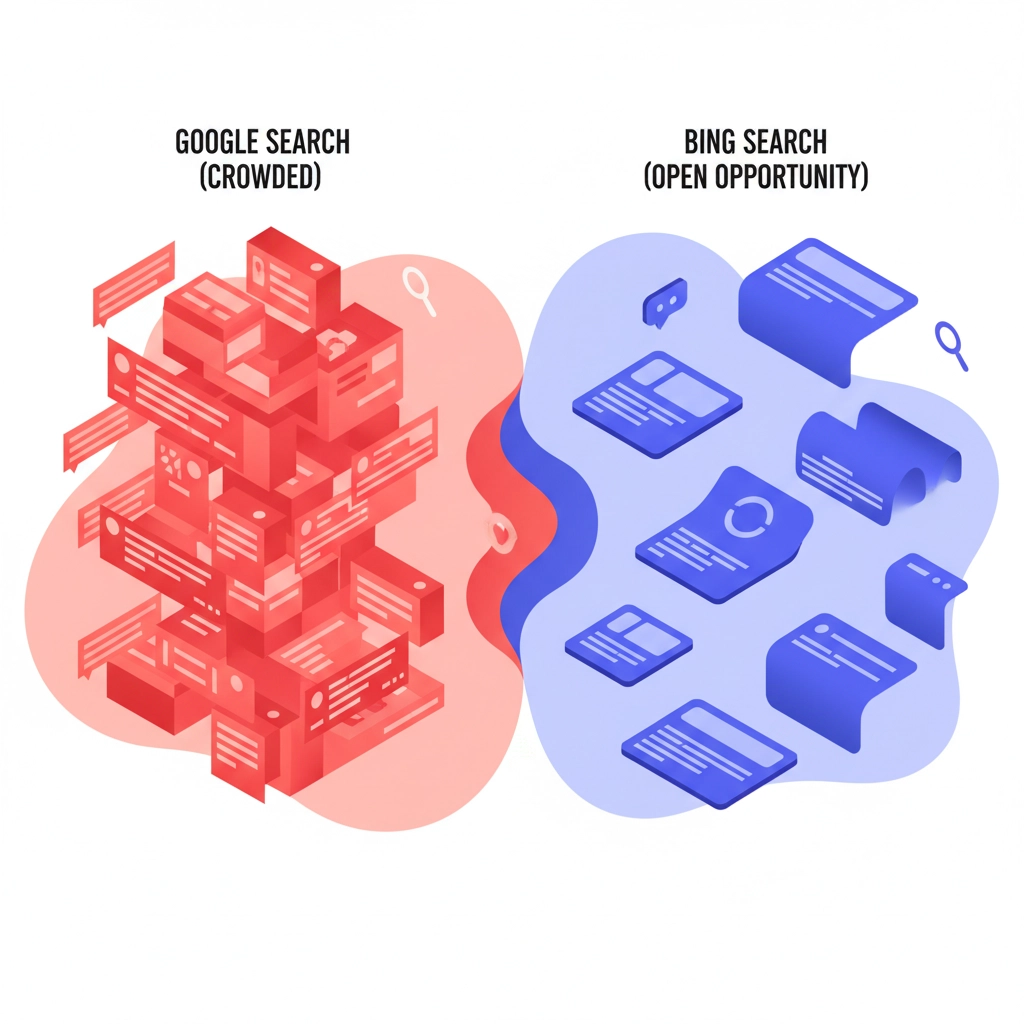
The competitive advantage is clear: while Google Local remains saturated with competitors, Bing offers significantly less competition for local visibility wins. Early movers are claiming prime real estate in a growing search ecosystem before the market realizes what’s happening.

image_1

What’s Actually New with Bing Places (And Why It Matters)

Microsoft rebuilt Bing Places for Business from the ground up in 2025, migrating everything to bing.com/forbusiness with features designed to eliminate previous pain points. Here’s what changed and why it creates immediate opportunities:

Streamlined Import and Management

The new Google Business Profile import process preserves critical data like business names, hours, and contact details while introducing bulk editing capabilities and real-time status updates. If you already had Bing Places listings, they migrated automatically without manual intervention.

This matters because most businesses haven’t updated their migrated listings yet. Acting now means you’ll have complete, accurate information while competitors are still working with incomplete profiles.

AI-Powered Recommendation Tool

Instead of guessing what information to include, Bing now evaluates your listing health and suggests specific, high-impact additions. The system recommends priority fields like photos, website links, operating hours, and category-specific details (menus for restaurants, service areas for contractors).

This guidance helps newer business owners optimize efficiently, but it also reveals exactly what Bing considers most important for ranking and visibility.

Deeper AI Integration Pathways

Microsoft plans extensive integration with Bing Maps and Copilot in upcoming updates, allowing your listing to feed directly into AI-generated search answers. Some language models already reference business data from Bing, positioning optimized listings for emerging discovery methods.

How These Changes Translate to Dramatic Visibility Gains

The visibility multiplication happens through several compounding factors that smart businesses can leverage immediately:

Multi-Platform Presence: A fully optimized Bing Places listing doesn’t exist in isolation. It strengthens your overall local footprint across Windows suggestions, voice assistants, AI summaries, and traditional search results. You’re essentially multiplying your local SEO surface area beyond just Google.

Different Ranking Factors: Bing’s algorithm emphasizes social signals and backlinks more heavily than Google in local search rankings. This creates opportunities to gain traction on Bing even if you’re struggling with Google rankings in competitive niches.

Growing User Base: Microsoft’s investment in Copilot across Office, Windows, and Edge means millions of users now have Bing-powered search integrated into their daily workflows. Voice assistants and smart device searches also run on Bing, creating multiple discovery pathways.

Less Saturated Competition: While everyone fights for Google visibility, Bing remains relatively uncrowded. This means your optimization efforts can yield outsized results compared to the same investment in Google-focused strategies.

image_2

Actionable Steps to Leverage Bing Places Updates Now

Step 1: Audit Your Current Bing Presence

Log into bing.com/forbusiness and verify your listing migrated correctly to the new interface. Cross-check all fields against your Google Business Profile to catch discrepancies before they impact visibility. Pay special attention to business name consistency, phone numbers, and operating hours.

Step 2: Use the Recommendation Tool Strategically

Access the new recommendation tool and prioritize suggested updates based on your business type. Focus first on:

  • High-quality photos showing your location, products, or services
  • Complete category selection (primary and secondary)
  • Detailed business descriptions with local keywords
  • Accurate service areas or delivery zones

Step 3: Optimize for Bing’s Ranking Factors

Since Bing weighs social signals and backlinks more heavily:

  • Ensure your social media profiles link to your website
  • Build local backlinks from chambers of commerce, industry associations, and local directories
  • Encourage customer reviews across multiple platforms (not just Google)
  • Create location-specific content that naturally attracts local links

Step 4: Monitor and Measure Performance

Track these key metrics to measure your Bing Places optimization results:

  • Bing Places Insights (views, clicks, directions, phone calls)
  • Website analytics filtered for Bing referral traffic
  • Local keyword rankings in Bing search results
  • Review volume and rating trends across platforms

Don’t wait for perfect data: start tracking now so you can measure improvement over time.

Why Your Competitors Haven’t Caught On Yet

The competitive advantage window exists because most businesses and SEO professionals still treat Bing as optional. They see Google’s market share dominance and stop thinking strategically about diversification. This institutional blindness creates your opportunity.

Early adopters will own local visibility in their categories on Bing for months before competitors recognize the potential. By the time they start optimizing in 2026 or 2027, you’ll have accumulated months of positive signals, reviews, and visibility momentum that becomes increasingly difficult to overcome.

The businesses that act now will establish compound advantages that persist long after Bing optimization becomes standard practice.

image_3

Easy Wins for Small Businesses Starting Today

Small businesses actually have advantages in leveraging these Bing Places updates:

Local Focus: Bing’s integration with Windows and Edge creates strong local search opportunities. Many small business customers use these platforms daily without realizing they’re searching through Bing.

Less Technical Complexity: The new Bing Places interface is more intuitive than previous versions, making optimization accessible without extensive technical knowledge.

Cost-Effective Differentiation: While competitors pour money into Google Ads and SEO, you can gain Bing visibility through optimization effort rather than advertising spend.

AI Assistant Advantage: Local businesses providing services like restaurants, repair shops, and professional services are exactly what AI assistants recommend when users ask for local suggestions.

The Strategic Timing Advantage

This isn’t just about adding another platform to your marketing mix: it’s about claiming territory in a growing ecosystem before it becomes crowded. Microsoft’s expanding integration of Bing across their products means your early optimization work will compound over time as more users encounter Bing-powered search in their daily workflows.

The businesses that establish strong Bing Places presence now will benefit from months or years of reduced competition while building authority signals that become harder for late movers to overcome.

Consider this: every month you delay gives competitors more time to discover this opportunity. Every complete listing, positive review, and optimization improvement you make now creates a stronger foundation for long-term local search dominance.

Take Action Before the Window Closes

The early adopter advantage in Bing Places optimization won’t last forever. As more businesses recognize the potential, competition will increase and the easy wins will disappear. The businesses that act now: while competitors remain focused solely on Google: will establish positioning that compounds over time.

Your next step is simple: log into bing.com/forbusiness, audit your listing, and implement the optimization strategies outlined above. Start with the highest-impact changes first, then build momentum with consistent improvements over time.

The opportunity is real, the tools are ready, and your competitors are still sleeping. The question isn’t whether you should optimize your Bing Places listing: it’s whether you’ll claim this advantage before everyone else catches on.

Ready to unlock the Bing Places opportunity for your business? Digital Traffic Factory helps local businesses dominate search across all platforms, not just Google. Contact us at robert@digitaltrafficfactory.com or call 203-217-9496 to discuss how we can position your business for maximum local search visibility before your competitors catch on.

Organic Traffic Dropping in 2025? Here Are 7 Ways to Future-Proof Your SEO Strategy

heroImage

If you’ve been watching your organic traffic numbers with growing concern, you’re not alone. The 2025 digital landscape has delivered a harsh reality check to businesses everywhere: traditional SEO strategies are no longer enough to maintain consistent organic visibility.

The data tells a sobering story. Zero-click searches now account for 60% of all Google queries, while AI Overviews appear in 13% of searches and cut click-through rates nearly in half. Many established brands have experienced traffic drops of 40-80%, leaving business owners scrambling to understand what went wrong and how to recover.

But here’s the critical insight most businesses are missing: this isn’t the death of organic search: it’s a fundamental transformation that demands new strategies and approaches.

Despite individual site declines, Google processes an estimated 9.1 to 13.6 billion searches daily in 2025, up from 8.5 billion in 2024. Organic search still drives 53% of all website traffic and converts 8.5 times better than paid channels. The opportunity remains massive for businesses willing to adapt their approach.

The New SEO Reality: Adaptation Over Optimization

The businesses thriving in 2025 have recognized that success no longer comes from gaming algorithms or chasing keyword rankings. Instead, they’ve shifted focus to creating genuine value, building brand authority, and diversifying their digital presence across multiple platforms and search experiences.

image_1

7 Strategic Approaches to Future-Proof Your SEO

1. Master Search Intent Over Keyword Volume

Traditional keyword research focused on search volume and competition metrics. Today’s successful approach requires understanding the underlying intent behind every search query.

Instead of targeting “digital marketing services” because it has high volume, analyze what users really need when they search for that term. Are they looking for education about digital marketing? Comparing service providers? Ready to hire an agency? Each intent requires different content approaches and conversion strategies.

Action Steps:

  • Analyze your top-performing pages to identify the intent they satisfy
  • Create content clusters that address different stages of the buyer’s journey
  • Use tools like Answer The Public and Google’s “People also ask” to understand related questions
  • Optimize for long-tail, intent-specific queries rather than broad keywords

2. Build Unshakeable Brand Authority

In an era where AI can summarize content and users may never visit your website, brand recognition becomes your competitive moat. When ChatGPT or Google’s AI needs to cite a source, established authorities get preference.

Brand authority isn’t built overnight, but consistent effort in demonstrating expertise pays dividends across all digital channels. Focus on becoming the go-to source in your industry rather than just another service provider.

Action Steps:

  • Publish original research and industry insights regularly
  • Secure speaking opportunities at industry events
  • Guest post on authoritative publications in your field
  • Actively participate in industry discussions on LinkedIn and relevant forums
  • Collect and showcase client testimonials and case studies

3. Optimize for AI Extraction and Multi-Platform Discovery

The days of optimizing exclusively for Google are over. Your content needs to perform across ChatGPT, YouTube search, Reddit recommendations, and other AI-driven discovery platforms.

This requires structuring information clearly enough that AI can extract and cite it accurately while still providing value when summarized. Create content detailed enough that users find value even when they only see AI-generated summaries.

Action Steps:

  • Implement comprehensive schema markup across your site
  • Structure content with clear headings and logical information hierarchy
  • Create FAQ sections that directly answer common industry questions
  • Optimize your Google Business Profile for local AI recommendations
  • Maintain consistent NAP (Name, Address, Phone) across all platforms
image_2

4. Embrace Voice and Visual Search Evolution

Voice search continues expanding as users adopt smart speakers and virtual assistants, while visual search becomes increasingly sophisticated. Optimizing for these emerging modalities positions you to capture traffic from growing user behaviors.

Voice searches tend to be longer and more conversational, while visual searches require different optimization strategies entirely. Both represent significant opportunities for businesses willing to adapt their content approach.

Action Steps:

  • Optimize for conversational, question-based queries
  • Create content that answers “how,” “what,” “where,” and “why” questions naturally
  • Ensure images are high-quality with descriptive alt text and file names
  • Implement image schema markup to help search engines understand visual content
  • Create location-based content for “near me” voice searches

5. Create Experience-Driven Content That AI Cannot Replicate

The content strategies that worked in 2018: publishing moderate-quality articles targeting keyword volume: no longer compete. AI can generate basic informational content instantly, making originality and first-hand experience your primary differentiators.

Focus on creating content that showcases real expertise, original insights, and practical experience that only comes from actually working in your industry. This becomes your sustainable competitive advantage in an AI-dominated content landscape.

Action Steps:

  • Document detailed case studies from your actual client work
  • Conduct original research and surveys in your industry
  • Share behind-the-scenes processes and methodologies
  • Create step-by-step guides based on your proven systems
  • Interview industry experts and thought leaders for unique perspectives

6. Master Technical Excellence and Long-Form Authority Content

Technical SEO fundamentals matter more than ever because AI-driven systems require clean, well-structured data to properly crawl and understand your content. Combine this with comprehensive, evergreen content that demonstrates deep expertise.

Long-form content continues to outperform shorter pieces in search rankings, especially when it provides comprehensive coverage of topics that users genuinely need to understand.

Action Steps:

  • Audit and optimize Core Web Vitals for fast loading and smooth interactions
  • Ensure mobile responsiveness across all devices and screen sizes
  • Maintain logical URL structures and comprehensive internal linking
  • Create comprehensive pillar pages that thoroughly cover main topics
  • Submit XML sitemaps and monitor crawl errors regularly
image_3

7. Build First-Party Data Assets and Integrate Paid Strategies

Stop relying solely on organic traffic metrics for business success. The most resilient businesses in 2025 have built robust first-party data collection strategies that maintain audience relationships regardless of traffic fluctuations.

Simultaneously, integrate paid and organic strategies to maximize visibility and revenue. Use paid advertising to test messaging and landing pages before investing in long-term content creation, and retarget organic visitors to maximize conversion opportunities.

Action Steps:

  • Create valuable lead magnets that encourage email and SMS opt-ins
  • Develop tools, calculators, or assessments that provide ongoing user value
  • Use Google Ads to target high-value keywords while building organic rankings
  • Implement retargeting campaigns for organic visitors who didn’t convert
  • Track revenue and conversion metrics rather than just traffic volume

Measuring Success in the New SEO Landscape

Traditional metrics like organic traffic and keyword rankings, while still important, no longer tell the complete story. Focus on business outcomes: revenue generated, leads captured, brand awareness metrics, and customer lifetime value.

The businesses succeeding in 2025 measure success by their ability to attract and convert their ideal customers, regardless of whether those customers found them through organic search, AI recommendations, or social media discovery.

Ready to Future-Proof Your SEO Strategy?

The transformation happening in organic search presents both challenges and opportunities. While many businesses struggle with declining traffic, those willing to adapt their approach are capturing market share and building more resilient, profitable digital presences.

At Digital Traffic Factory, we help businesses navigate these changes with proven strategies that work in today’s AI-driven search landscape. Our clients have successfully maintained and grown their online visibility by implementing the exact strategies outlined above.

Don’t let outdated SEO approaches limit your business growth. The sooner you adapt to the new search reality, the stronger your competitive position becomes.

Contact Digital Traffic Factory today to discuss how we can help future-proof your SEO strategy. Call us at 203-217-9496 or email robert@digitaltrafficfactory.com to schedule your consultation.

The future of search is here, and your business can thrive in it with the right strategy and expert guidance.

Why Your Conversion Rates Are Dropping (And How Economic Shifts Are Changing Consumer Behavior)

Why Your Conversion Rates Are Dropping (And How Economic Shifts Are Changing Consumer Behavior)

heroImage

Conversion rates across digital marketing channels are experiencing unprecedented challenges in 2025. Small businesses are witnessing their carefully optimized funnels suddenly underperform, with some seeing drops of 20-40% compared to pre-2024 levels. The culprit isn’t just your marketing strategy: it’s a fundamental shift in how consumers approach purchasing decisions amid ongoing economic uncertainty.

Understanding these changes isn’t optional anymore. Businesses that adapt their digital marketing approach to match new consumer psychology will thrive, while those clinging to outdated strategies will continue watching their conversion rates decline.

The New Economic Reality Reshaping Consumer Behavior

The economic landscape of 2025 presents unique challenges that directly impact how consumers interact with digital marketing. Persistent inflation concerns, combined with market volatility and employment uncertainty, have created a cautious consumer base that approaches every purchase decision with heightened scrutiny.

Research indicates that 55% of consumers are actively cutting back on discretionary spending, with 40% of US consumers focusing exclusively on essential purchases to maximize their savings. This isn’t temporary belt-tightening: it represents a fundamental behavioral shift that affects conversion rates across all industries, from luxury goods to everyday services.

The psychological impact extends beyond immediate spending cuts. Consumers now conduct significantly more research before making purchases, extending buying cycles and creating multiple touchpoints before conversion. They’re comparison shopping more aggressively, reading reviews more thoroughly, and seeking social proof before committing to any expenditure.

image_1

How AI Shopping Tools Are Changing Purchase Behavior

The integration of AI-powered shopping assistants and comparison tools has revolutionized how consumers evaluate products and services. ChatGPT, Google’s AI Overviews, and specialized shopping AI tools now provide instant price comparisons, feature analyses, and alternative recommendations that previously required hours of manual research.

This technological shift means consumers arrive at your website already armed with extensive knowledge about competitors, pricing, and alternatives. They’re no longer browsing to learn: they’re browsing to validate decisions they’ve already partially made through AI assistance.

The result is a more informed but paradoxically more indecisive consumer base. AI tools present so many options and considerations that decision fatigue becomes a significant conversion barrier. Visitors may engage deeply with your content but leave without converting because they’ve been presented with too many alternatives to evaluate.

Technical Performance Issues Compound Economic Pressure

Website performance issues that might have been overlooked during prosperous economic periods now become conversion killers. When consumers are cautious about spending, any friction in the user experience provides an excuse to abandon the purchase.

Research shows that 70% of consumers report slow website loading times negatively affect their willingness to buy. In today’s economic climate, this percentage likely increases as consumers use technical issues as justification for delaying or avoiding purchases altogether.

Common technical issues destroying conversion rates include:

  • Slow page load times exceeding 3 seconds
  • Broken checkout processes with error messages
  • Payment gateway failures or limited payment options
  • Non-responsive design elements on mobile devices
  • Complex forms requiring excessive information
  • Intrusive pop-ups disrupting the user experience

These technical barriers combine with economic hesitancy to create a perfect storm for conversion rate decline.

The Quality vs. Quantity Traffic Challenge

One counterintuitive finding reveals that increased traffic doesn’t necessarily indicate improved performance. 54% of ecommerce sites experiencing conversion rate drops also saw increased bounce rates, suggesting that traffic quality matters significantly more than volume.

Many businesses respond to declining conversions by increasing advertising spend to drive more traffic. However, this approach often backfires by attracting low-intent visitors who contribute to impressive traffic statistics but never convert. The economic environment has made high-intent traffic more valuable and harder to capture.

image_2

Industry-Specific Impacts of Economic Shifts

Different industries experience varying degrees of conversion rate impact based on their position in the consumer priority hierarchy:

Discretionary Spending Categories (Entertainment, luxury goods, non-essential services) face the most severe challenges, with conversion rates declining 30-50% as consumers eliminate non-essential purchases entirely.

Essential Services (Healthcare, legal services, home repairs) maintain more stable conversion rates but experience longer sales cycles as consumers shop more aggressively for the best value.

B2B Services face extended decision-making processes as companies implement stricter approval processes and require additional stakeholder input before committing to new vendors or services.

Adapting Your Digital Marketing Strategy for 2025

Successful businesses are implementing specific strategies to maintain conversion rates despite economic headwinds:

1. Enhanced Value Communication

Your messaging must immediately communicate value and justify the expenditure. This means leading with clear benefits, offering transparent pricing, and addressing cost concerns directly in your marketing materials.

2. Extended Nurture Sequences

Accept that buying cycles are longer and implement comprehensive email sequences that provide ongoing value while maintaining engagement. Consider creating educational content that helps prospects understand the long-term benefits of your solution.

3. Social Proof Amplification

Economic uncertainty makes consumers seek validation from peers before purchasing. Prominently display customer testimonials, case studies, and reviews throughout your conversion funnel. Consider implementing real-time social proof notifications showing recent purchases or sign-ups.

4. Flexible Pricing Options

Introduce payment plans, trials, or tiered pricing options that reduce the initial financial commitment. Even B2B services can benefit from phased implementation approaches that spread costs over time.

image_3

Optimizing for the New Consumer Psychology

Understanding the psychological factors driving consumer behavior changes enables more effective optimization:

Decision Fatigue Management: Reduce the number of choices presented at each stage of your funnel. Use guided selling approaches that recommend specific solutions based on customer inputs rather than overwhelming visitors with options.

Trust Signal Enhancement: Invest heavily in trust signals including security badges, professional certifications, detailed about pages, and transparent business practices. Economic uncertainty makes trust a premium commodity.

Urgency Without Pressure: Create legitimate urgency through limited-time offers or inventory scarcity without applying high-pressure sales tactics that may backfire with cautious consumers.

Measuring Success in the New Environment

Traditional conversion rate metrics may not fully capture success in this changed environment. Consider tracking:

  • Average time between first visit and conversion
  • Number of touchpoints before conversion
  • Customer lifetime value trends
  • Return visitor conversion rates
  • Email engagement rates during extended nurture sequences

These metrics provide insight into how successfully you’re adapting to longer, more complex buying cycles.

Technical Optimizations for Maximum Impact

Focus technical improvements on areas that directly impact conversion hesitancy:

Page Speed Optimization: Implement aggressive caching, image optimization, and code minification to achieve sub-2-second load times across all devices.

Checkout Simplification: Reduce form fields to absolute essentials, offer guest checkout options, and implement multiple payment methods including digital wallets.

Mobile Experience Enhancement: Ensure your mobile experience matches desktop functionality, as mobile research has increased significantly during economic uncertainty.

image_4

Looking Forward: Preparing for Continued Economic Volatility

The economic factors influencing consumer behavior in 2025 aren’t temporary disruptions: they represent a new baseline for how consumers approach purchasing decisions. Businesses that adapt their digital marketing strategies to account for increased caution, extended buying cycles, and heightened value-seeking behavior will maintain competitive advantages as economic conditions eventually improve.

Success requires accepting that conversion optimization in 2025 isn’t just about tweaking landing pages or adjusting ad copy. It’s about fundamentally reimagining how you communicate value, nurture prospects, and guide them through extended decision-making processes.

The businesses thriving despite challenging conversion rate environments are those that view these changes as opportunities to build stronger, more trust-based relationships with their customers. They’re investing in long-term value creation rather than short-term conversion tactics.

Take Action to Protect Your Conversion Rates

Don’t let economic headwinds destroy your carefully built marketing systems. The strategies outlined above require immediate implementation to prevent further conversion rate decline and position your business for recovery as conditions improve.

At Digital Traffic Factory, we specialize in helping businesses adapt their digital marketing strategies to changing economic conditions and consumer behavior patterns. Our data-driven approach ensures your marketing investment delivers measurable results even in challenging environments.

Ready to stop watching your conversion rates decline and start building a marketing system that works in today’s economic reality? Contact us today at robert@digitaltrafficfactory.com or call 203-217-9496 to discuss how we can optimize your digital marketing for sustained success.

Posting Isn’t Enough: Why Paid Social Media Marketing Drives Up to 1000% More Views for Small Businesses

If you’re still relying solely on organic social media posts to grow your small business, you’re essentially shouting into an empty room. The harsh reality is that organic reach on social platforms has collapsed to the point where most of your followers will never see your content: no matter how compelling or valuable it is.

The numbers tell a sobering story: Instagram’s average organic reach now sits at just 4%, while Facebook languishes at an even lower 2.6%. This means that out of every 1,000 followers you have, only 26-40 people will actually see your posts organically. Meanwhile, businesses investing in paid social media campaigns are reaching exponentially more people and driving significantly better results.

The Death of Organic Reach: Why Free Posting No Longer Works

Social media platforms have fundamentally shifted from being free marketing channels to paid advertising platforms. This isn’t an accident: it’s a calculated business model. Facebook, Instagram, LinkedIn, TikTok, and other platforms generate revenue through advertising, which means their algorithms now heavily favor paid content over organic posts.

Consider this: when you post organically, you’re competing against millions of other posts for space in your audience’s feed. The platform’s algorithm decides who sees your content based on factors largely outside your control, including engagement history, post timing, and the user’s current activity patterns. Even if someone actively follows your business page, there’s no guarantee they’ll see your latest update.

image_1

This algorithmic suppression has created what marketers call the “pay-to-play” environment. Businesses that refuse to invest in paid promotion find themselves increasingly invisible, while those embracing paid strategies consistently appear in their target audience’s feeds.

The Dramatic Impact: How Paid Social Delivers Exponentially More Views

When businesses transition from organic-only posting to strategic paid campaigns, the visibility increase can be staggering. While organic posts might reach 2-4% of your followers, paid ads can reach 100% of your targeted audience: plus thousands of potential new customers who’ve never heard of your business.

Here’s where the mathematics become compelling: if your organic posts typically reach 40 people out of 1,000 followers, and a paid campaign reaches 4,000 people (including both existing followers and new prospects), you’ve achieved a 1000% increase in visibility. This isn’t theoretical: it’s the practical reality many small businesses experience when they start investing in paid social media marketing.

Bypassing Algorithmic Limitations

Paid advertisements operate outside the standard algorithmic constraints that limit organic content. When you pay for promotion, the platform guarantees your content will be seen by your specified audience. This means every dollar spent translates directly into guaranteed impressions, rather than hoping the algorithm will favor your post.

Precision Targeting Capabilities

Unlike organic posts that rely on followers and algorithmic distribution, paid ads allow you to target exactly who you want to reach. You can segment audiences by:

  • Demographics (age, gender, income, education level)
  • Geographic location (city, state, radius around your business)
  • Interests and behaviors (fitness enthusiasts, frequent online shoppers, specific hobbies)
  • Purchase history and online activity
  • Life events and milestones

This targeting precision ensures your marketing budget reaches people most likely to become customers, rather than being wasted on uninterested audiences.

How Paid Social Media Advertising Works (The Simple Explanation)

Understanding paid social media doesn’t require a marketing degree. At its core, it’s about paying platforms to show your content to specific groups of people who are most likely to be interested in your business.

image_2

The Basic Process:

  1. Define Your Audience: Determine who your ideal customer is and where they spend time online
  2. Create Compelling Content: Develop ads that speak directly to your audience’s needs and interests
  3. Set Your Budget: Decide how much you want to spend daily or monthly
  4. Choose Your Objective: Whether you want more website visits, phone calls, or direct sales
  5. Launch and Monitor: Start your campaign and track performance metrics

Campaign Types That Work for Small Businesses:

Awareness Campaigns introduce your business to new potential customers in your area. A local restaurant might target food enthusiasts within a 10-mile radius with mouth-watering photos of their signature dishes.

Traffic Campaigns drive people to your website or online store. An e-commerce business could promote their best-selling products to people who have shown interest in similar items.

Conversion Campaigns focus on generating specific actions like purchases, appointments, or sign-ups. A fitness trainer might offer a free consultation to people interested in personal training services.

Cost-Effectiveness: Why Paid Social Delivers Better ROI Than You Think

Many small business owners assume paid social media requires massive budgets, but the reality is quite different. Most platforms offer surprisingly affordable advertising options that can fit even modest marketing budgets.

On Meta platforms (Facebook and Instagram), the average cost per click typically ranges from $0.50 to $2.00, depending on your industry and targeting parameters. TikTok and LinkedIn offer similar pricing structures, with TikTok often providing even lower costs for younger demographics.

Budget Guidelines for Small Businesses:

  • Starter Budget: $200-500 monthly can generate meaningful results for local service businesses
  • Growth Budget: $500-1,500 monthly allows for broader reach and multiple campaign types
  • Scale Budget: $1,500+ monthly enables comprehensive multi-platform strategies

The key is consistency rather than large sporadic investments. A steady $300 monthly budget will typically outperform a one-time $1,000 campaign because it allows for continuous optimization and audience building.

image_3

Actionable Steps to Launch Your First Paid Campaign

Step 1: Start with Your Best-Performing Organic Content

Review your organic posts from the past three months and identify which ones received the highest engagement. These proven performers make excellent candidates for paid promotion because they’ve already demonstrated audience appeal.

Step 2: Define Your Target Audience

Begin with a detailed description of your ideal customer. Consider their age range, location, interests, and online behaviors. Most platforms offer audience insights tools that can help refine your targeting based on your existing followers.

Step 3: Choose the Right Platform

  • Facebook/Instagram: Excellent for local businesses and visual content
  • LinkedIn: Ideal for B2B services and professional targeting
  • TikTok: Perfect for reaching younger demographics with video content
  • Twitter: Effective for real-time engagement and news-related businesses

Step 4: Set Clear Objectives and Budgets

Determine what success looks like for your campaign. Are you seeking more website traffic, phone calls, or direct sales? Set daily budgets you can sustain consistently: it’s better to spend $20 daily for a month than $200 in a single day.
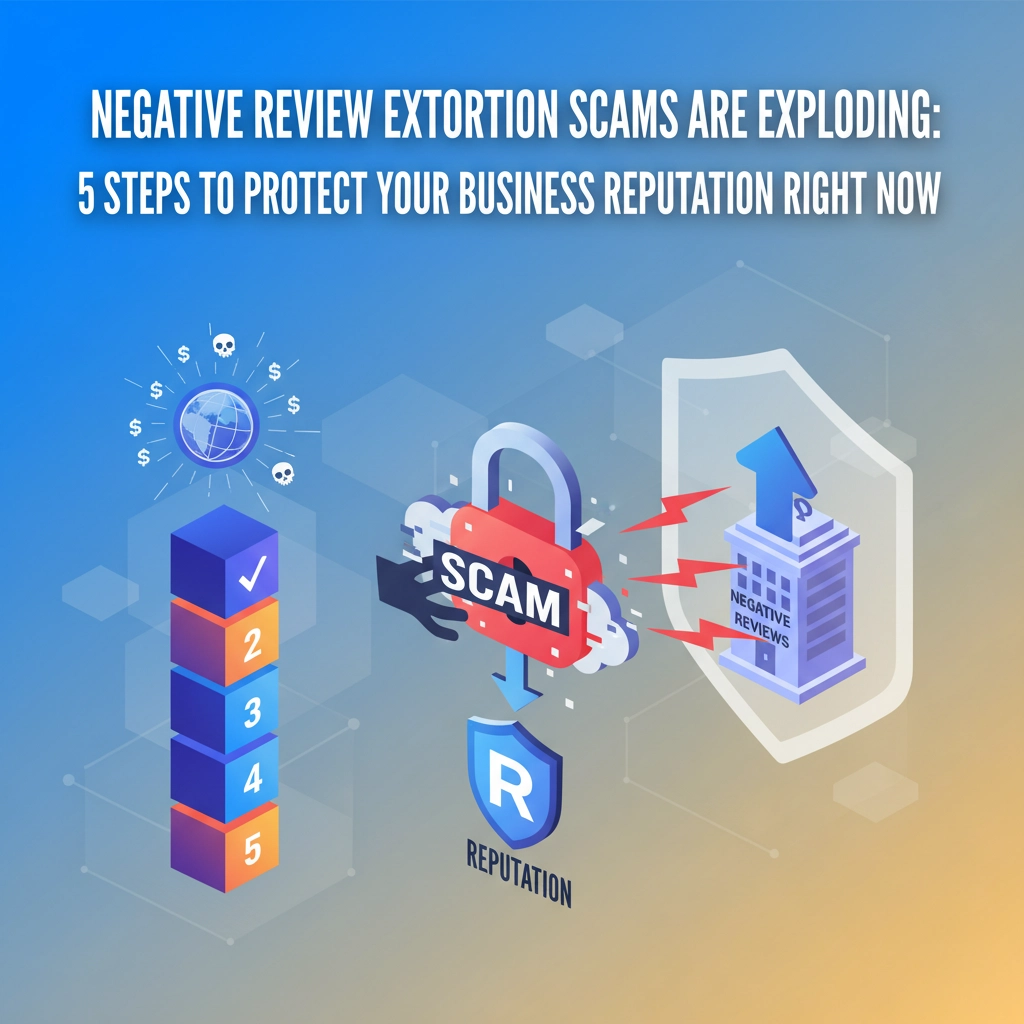
Step 5: Create Mobile-First Content

Over 80% of social media consumption happens on mobile devices, so ensure your ads look compelling on smartphone screens. Use high-quality images, readable text, and clear calls-to-action that work well on smaller displays.

Step 6: Monitor and Optimize Weekly

Check your campaign performance weekly and make small adjustments based on what’s working. Look for patterns in high-performing ads and expand successful strategies while pausing underperforming content.

Advanced Strategies for Maximum Impact

Retargeting Campaigns

Create campaigns targeting people who have visited your website or engaged with your content but haven’t made a purchase. These warm audiences typically convert at much higher rates than cold traffic.

Lookalike Audiences

Upload your customer email list to create “lookalike” audiences: people who share similar characteristics with your existing customers. This strategy helps identify new prospects most likely to be interested in your business.

Seasonal and Event-Based Campaigns

Plan campaigns around holidays, local events, or industry-specific seasons when your target audience is most likely to need your services.

The Bottom Line: Paid Social Is No Longer Optional

The businesses still relying solely on organic posting are essentially choosing to be invisible in today’s social media landscape. While organic content remains important for building relationships with existing customers, paid promotion has become essential for reaching new audiences and driving growth.

Small businesses that embrace this reality and start investing in strategic paid campaigns consistently outperform competitors who haven’t adapted to the new social media environment. The question isn’t whether you can afford to invest in paid social media: it’s whether you can afford not to.

image_4

Ready to unlock exponentially better results for your business? The team at Digital Traffic Factory specializes in creating cost-effective paid social media campaigns that deliver measurable results for small businesses. We’ll help you navigate platform complexities, optimize your budget, and create campaigns that actually convert browsers into buyers.

Want to unlock bigger results for your business? Email robert@digitaltrafficfactory.com or call 203-217-9496 and let’s talk paid social! We’ll analyze your current social media performance and show you exactly how paid campaigns can transform your visibility and grow your customer base.

Why Paid Social Media Advertising Is Essential for Small Businesses in 2025

heroImage

The digital marketing landscape has fundamentally shifted, and small businesses that haven’t adapted to paid social media advertising are falling behind fast. Gone are the days when posting organic content could reliably drive meaningful business results. In 2025, paid social advertising isn’t just an option: it’s a necessity for survival and growth.

If you’re still relying solely on organic social media posts, hoping they’ll magically reach your target audience, you’re essentially playing the lottery with your marketing budget. The platforms have changed the rules, and businesses that understand this new reality are already capturing market share while others struggle with declining visibility.
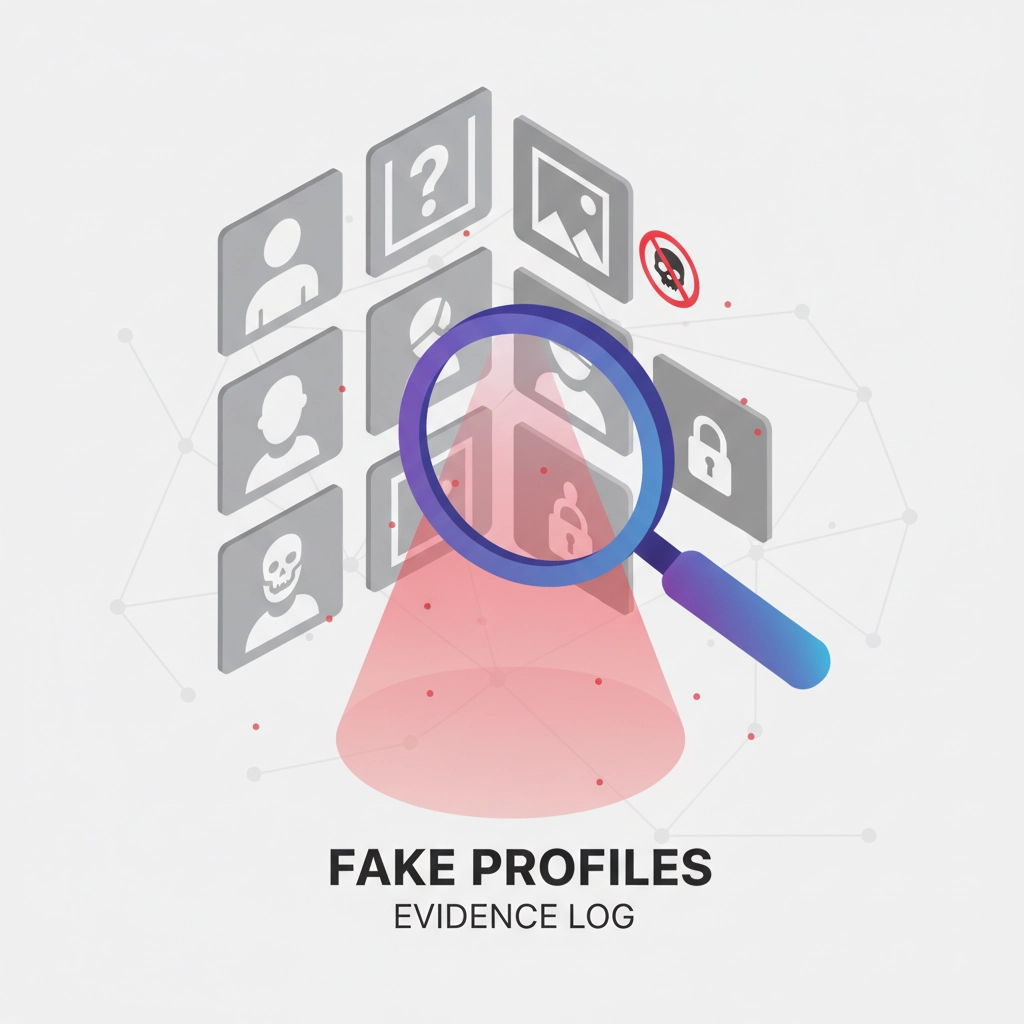
The Organic Reach Crisis That’s Killing Small Businesses

The harsh reality is that organic social media reach has collapsed to unprecedented lows. Facebook’s organic reach now averages just 2.6%, while Instagram sits at approximately 4%: and these numbers continue declining. This means that out of every 1,000 people following your business page, fewer than 40 will actually see your posts.

This dramatic decline isn’t accidental. Social media platforms have deliberately transformed into advertising businesses, prioritizing paid content through algorithmic changes designed to maximize revenue. The sheer volume of content users encounter daily, combined with sophisticated algorithms, makes it nearly impossible for unpaid posts to achieve meaningful visibility.

The bottom line: If you’re not paying for reach, you’re not reaching your audience.

For small businesses, this reality makes organic-only strategies obsolete. The businesses thriving in 2025 understand that consistent visibility requires investment in paid promotion. Those still waiting for organic magic to happen are watching competitors capture their potential customers.

image_1

Precision Targeting: Your Competitive Advantage

Paid social advertising offers small businesses something unprecedented: the ability to reach exactly the right customers at exactly the right time. Unlike traditional advertising that broadcasts broadly and hopes for the best, social media platforms provide targeting capabilities that were once available only to major corporations with massive research budgets.

You can target potential customers based on:

  • Demographics: Age, gender, income level, education, job titles
  • Geographic location: From broad regions down to specific zip codes or radius targeting
  • Interests and behaviors: Hobbies, purchase patterns, website visits, app usage
  • Life events: Recent moves, job changes, birthdays, anniversaries
  • Custom audiences: Website visitors, email subscribers, past customers

A local bakery can target coffee enthusiasts within a five-mile radius during morning commute hours. A fitness coach can reach people interested in weight loss who’ve recently joined gyms. This precision eliminates wasted ad spend and connects businesses with customers who actually want their products or services.

Budget-Friendly Entry Point That Scales With Success

Unlike traditional advertising that demands significant upfront investments, paid social advertising operates on a fundamentally different model. You can start with daily budgets as low as $5 and scale up based on proven results.

This flexible approach removes the gambling aspect from advertising decisions. A small restaurant can test Facebook ads for less than the cost of a single newspaper ad, then increase spending only when campaigns prove profitable. Poor-performing ads can be paused instantly, while successful campaigns receive increased budgets based on real performance data.

Key budget benefits include:

  • No minimum spend requirements
  • Real-time budget adjustments
  • Pay only for results (clicks, impressions, conversions)
  • AI-powered optimization tools that maximize efficiency
  • Complete spending control and transparency

This democratization of effective advertising means small businesses can compete directly with larger competitors using the same powerful tools and targeting options.

image_2

Immediate Results and Measurable ROI

Paid social media advertising generates real-time performance data, standing in stark contrast to organic strategies or traditional SEO approaches that take months to show results. Campaigns go live within hours, and performance metrics start flowing immediately.

You’ll see exactly how many people viewed your ads, clicked through to your website, and completed purchases. This transparency transforms advertising from guesswork into data-driven decision making. You can identify which ad creatives resonate with your audience, which demographics convert best, and which times of day generate optimal results.

This real-time feedback enables continuous campaign refinement. Instead of waiting months to determine if marketing efforts are working, you can optimize campaigns daily based on concrete performance data. The ability to track every dollar spent and measure direct business impact provides accountability that traditional advertising methods simply cannot match.

Building Brand Awareness That Drives Recognition

New businesses and those entering competitive markets face a critical challenge: potential customers don’t know they exist. Consistent paid advertising campaigns build brand awareness systematically, showing your message to potential customers repeatedly until recognition develops.

This repetition proves especially valuable when competing against established brands. A new coffee shop competing against national chains needs multiple touchpoints before customers consider trying something different. Paid ads provide these touchpoints affordably and consistently, building familiarity that translates into trial purchases.

Video advertising on platforms like TikTok, Instagram Reels, and Facebook proves particularly effective for capturing attention and driving brand awareness. Short, engaging video content can reach millions of potential customers with compelling, visually captivating messages that stick in viewers’ minds.

image_3

Direct Sales Generation and Lead Conversion

Beyond brand awareness, paid social platforms excel at driving specific customer actions. You can promote special events to local enthusiasts, advertise seasonal services to homeowners in your coverage area, or run retargeting campaigns that reconnect with website visitors who didn’t make initial purchases.

These promotional campaigns often generate immediate results. A local restaurant running weekend specials through Facebook ads can track reservations directly to specific campaigns. A landscaping company advertising spring cleanup services can measure phone calls generated by each ad variation.

The ability to directly connect advertising efforts to measurable business outcomes provides the accountability small business owners need when making marketing investments. You’re not just building awareness: you’re driving revenue that can be tracked and optimized.

Competitive Necessity in the Digital Marketplace

Your competitors are already using paid social advertising to capture market share. While you debate whether to invest in paid promotion, they’re systematically reaching your potential customers with targeted messages that drive business results.

The businesses investing in paid social strategies now gain significant advantages over competitors still relying solely on word-of-mouth or traditional advertising methods. In an increasingly crowded digital marketplace, visibility determines success, and visibility requires paid promotion.

Small businesses that recognize this opportunity and act quickly can establish market position before competitors adapt. The cost of entry remains low, but the competitive advantages compound over time as you build audience data, optimize campaigns, and establish brand presence.

Getting Started: Your Practical Action Plan

Ready to harness the power of paid social advertising? Follow these essential steps to launch your first successful campaigns:

1. Choose Your Primary Platform
Start with one platform where your target customers spend time. Facebook and Instagram work well for most local businesses, while LinkedIn suits B2B companies and TikTok appeals to younger demographics.

2. Define Your Objective
Choose specific goals: brand awareness, website traffic, lead generation, or direct sales. Each objective requires different ad formats and targeting strategies.

3. Set Your Budget
Begin with $10-20 per day to test campaigns and gather data. You can always increase spending on successful campaigns.

4. Create Compelling Ad Content
Use high-quality images or videos that showcase your products or services. Write clear, benefit-focused copy that encourages specific actions.

5. Target Your Ideal Customers
Start with basic demographic and geographic targeting, then refine based on performance data. Avoid overly narrow targeting that limits reach.

6. Monitor and Optimize
Check campaign performance daily for the first week, then weekly ongoing. Pause poor performers and increase budgets for successful ads.

image_4

Common Mistakes That Waste Your Budget

Avoid these critical errors that drain advertising budgets without generating results:

  • Targeting too broadly or too narrowly: Find the sweet spot that reaches qualified prospects without wasting impressions
  • Using poor-quality images or videos: Professional visuals significantly impact performance and cost-per-click
  • Ignoring mobile optimization: Most social media users browse on mobile devices
  • Not testing multiple ad variations: A/B testing reveals which messages resonate with your audience
  • Focusing only on likes and shares: Prioritize metrics that directly impact business goals
  • Abandoning campaigns too quickly: Allow sufficient time and budget for platforms to optimize delivery

The Time to Act Is Now

Paid social media advertising represents the most accessible and effective way for small businesses to compete in today’s digital marketplace. The combination of declining organic reach, precise targeting capabilities, budget flexibility, immediate results, and competitive necessity makes it clear that successful businesses must embrace paid promotion strategies.

The businesses starting now with modest budgets and clear goals will build valuable audience data, optimize their approaches, and establish market position while competitors hesitate. Every day you delay is another day your competitors capture potential customers through strategic paid advertising campaigns.

The investment in both time and money is justified by the potential returns in an increasingly digital marketplace where visibility determines success. Your business deserves the same powerful marketing tools that major corporations use: and paid social advertising provides exactly that opportunity.

Want help growing your business with paid social ads? Email robert@digitaltrafficfactory.com or call 203-217-9496 and let’s build your strategy together!