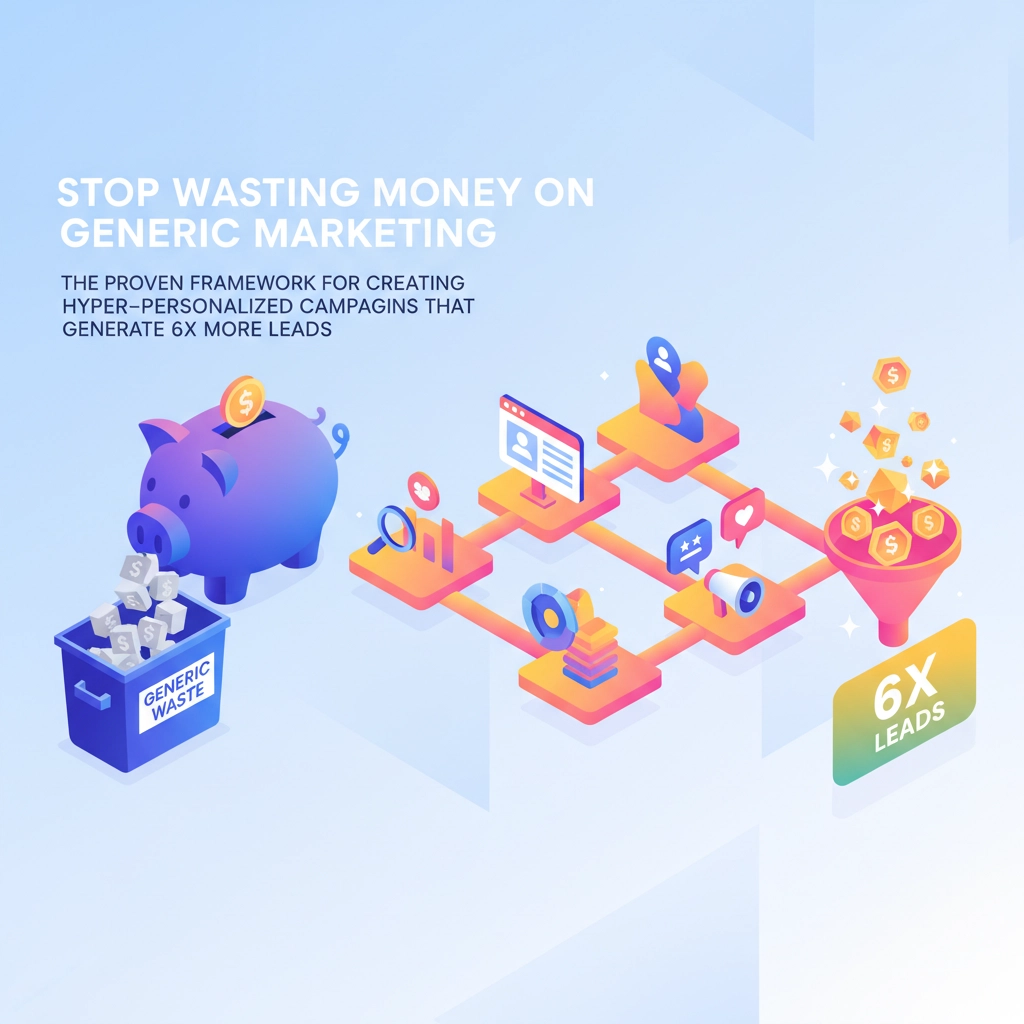
Generic marketing campaigns are hemorrhaging your advertising budget while delivering diminishing returns. In 2025, the data is crystal clear: 74% of consumers feel frustrated when website content isn’t personalized, and 63% now expect personalization as a standard service. Meanwhile, businesses still clinging to one-size-fits-all approaches are watching competitors capture their market share with hyper-targeted campaigns that generate 6x higher transaction rates.
The solution isn’t more budget: it’s smarter targeting. Hyper-personalized campaigns don’t just outperform generic marketing; they obliterate it. Companies implementing proven personalization frameworks report 3x return on investment compared to traditional advertising, while 92% of marketers confirm that personalization significantly improves conversion rates.
Why Generic Marketing Has Become a Costly Mistake
The digital landscape has fundamentally shifted. Consumers are bombarded with over 5,000 marketing messages daily, making generic campaigns virtually invisible. When everyone receives the same promotional email or sees identical social media ads, your message becomes background noise.
Consider these market realities:
- 80% of consumers are more inclined to purchase from brands that provide tailored experiences
- Generic emails have open rates below 18%, while personalized emails achieve 29% higher open rates
- Traditional advertising CPCs have increased 45% in 2025, making inefficient campaigns financially devastating
The critical insight: Generic marketing assumes all customers have identical needs, motivations, and buying behaviors. This assumption has never been more wrong.
Understanding Hyper-Personalization: Beyond First-Name Marketing
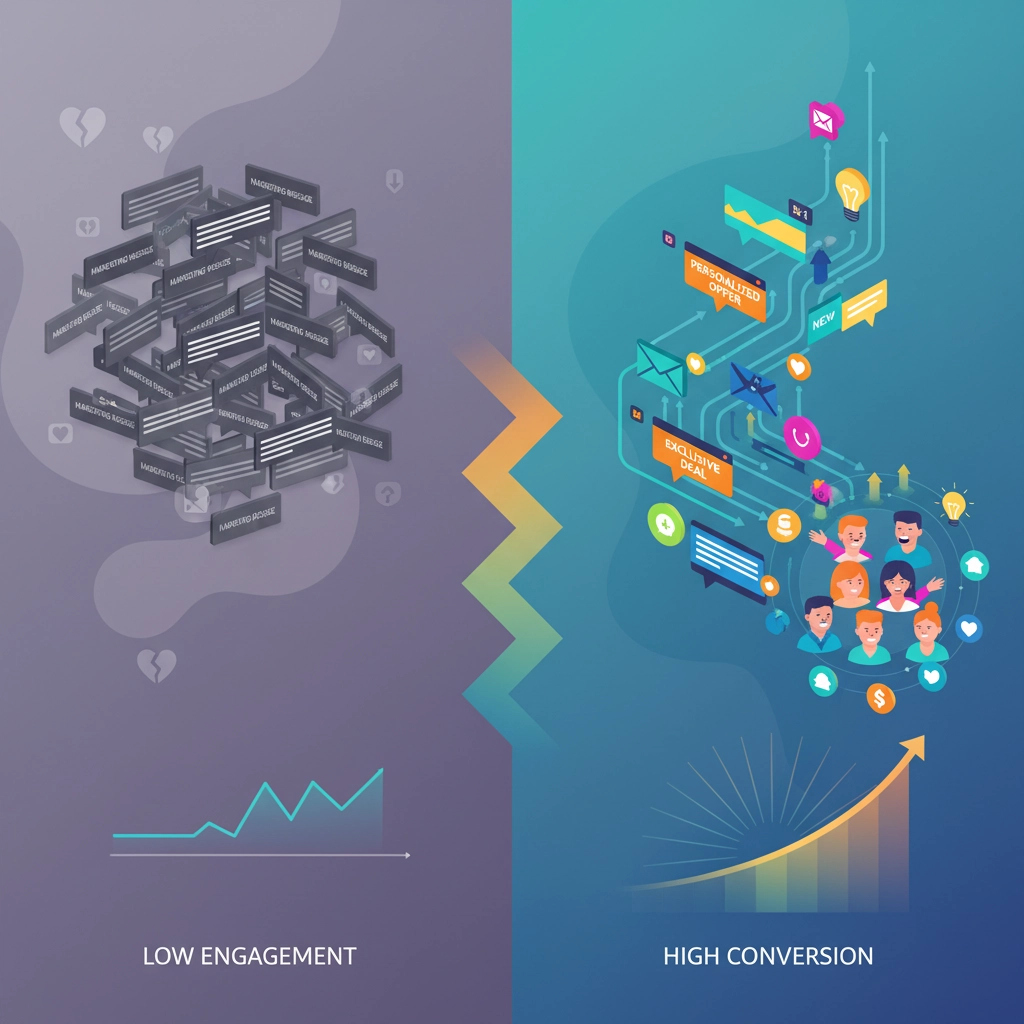
True hyper-personalization transcends basic demographic targeting or inserting first names into email subject lines. It’s a data-driven strategy that uses advanced analytics, AI, and real-time behavioral insights to deliver individually tailored experiences at scale.
Hyper-personalization incorporates multiple data layers:
- Behavioral data: Browsing patterns, click history, time spent on specific pages
- Contextual factors: Device type, location, time of day, weather conditions
- Purchase history: Previous transactions, abandoned carts, wishlist items
- Engagement patterns: Email open rates, social media interactions, customer service touchpoints
- Predictive insights: AI-generated recommendations based on similar customer profiles
This comprehensive approach enables businesses to anticipate customer needs and deliver relevant messages at the precise moment of highest intent.
The Proven 5-Step Framework for Hyper-Personalized Campaigns
Step 1: Centralize and Organize Customer Data
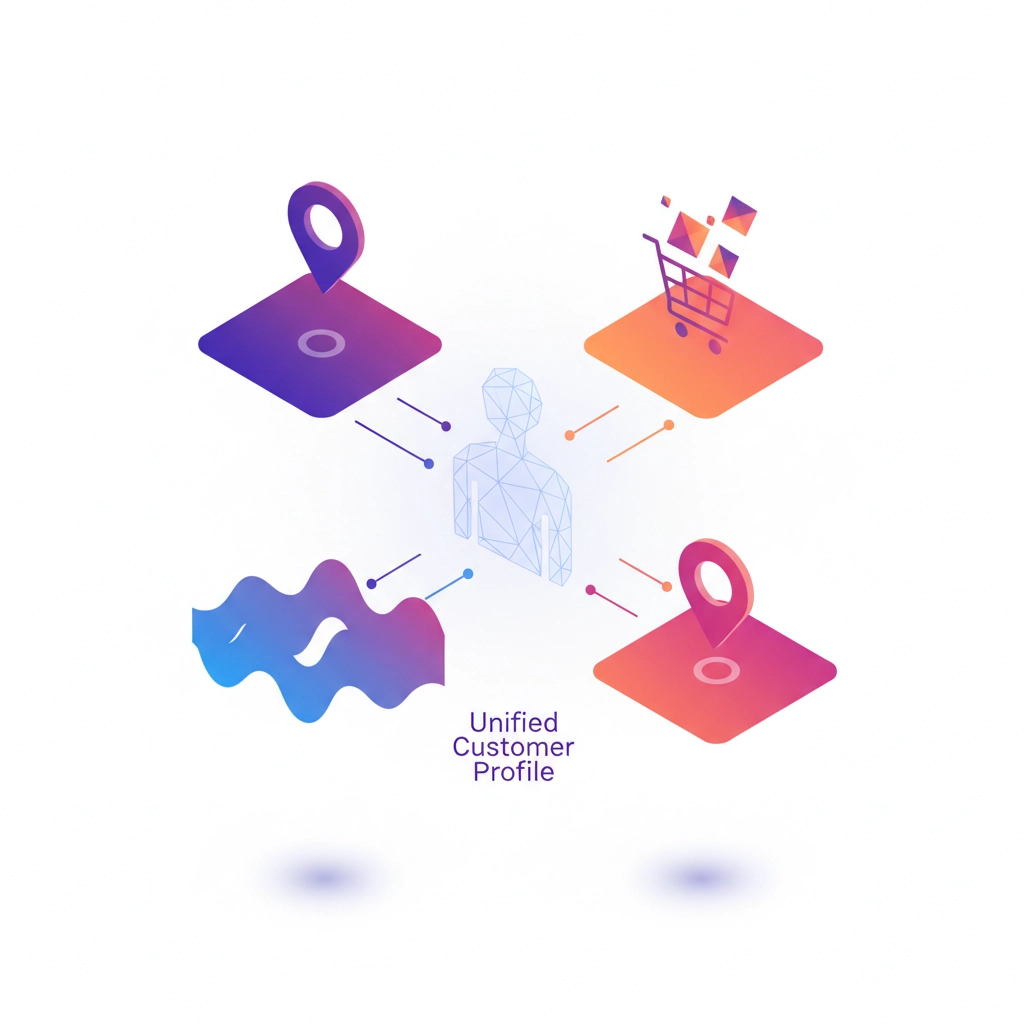
Your first priority is consolidating scattered customer information into a unified system. Most businesses already collect valuable data but store it across disconnected platforms: CRM systems, email marketing tools, social media analytics, and website tracking.
Implement a Customer Data Platform (CDP) that aggregates:
- Website visitor behavior and conversion paths
- Email engagement metrics and preferences
- Social media interactions and sharing patterns
- Purchase history and transaction values
- Customer service interactions and feedback
Action item: Audit your current data sources and identify integration opportunities. Even small businesses can achieve significant personalization improvements by connecting their email marketing platform with their e-commerce analytics.
Step 2: Segment Beyond Demographics
Traditional demographic segmentation (age, gender, income) provides limited insight into purchase motivations. Advanced segmentation focuses on behavioral patterns and psychographic profiles.
Create segments based on:
- Purchase behavior: Frequent buyers vs. occasional customers
- Engagement level: Highly active vs. passive subscribers
- Product preferences: Specific categories or price ranges
- Customer lifecycle stage: New prospects vs. repeat customers vs. at-risk accounts
- Seasonal patterns: Holiday shoppers vs. year-round purchasers
Pro tip: Start with your highest-value customer segment. Analyze their common behaviors and preferences, then create lookalike audiences for expansion.
Step 3: Implement AI-Powered Predictive Analytics
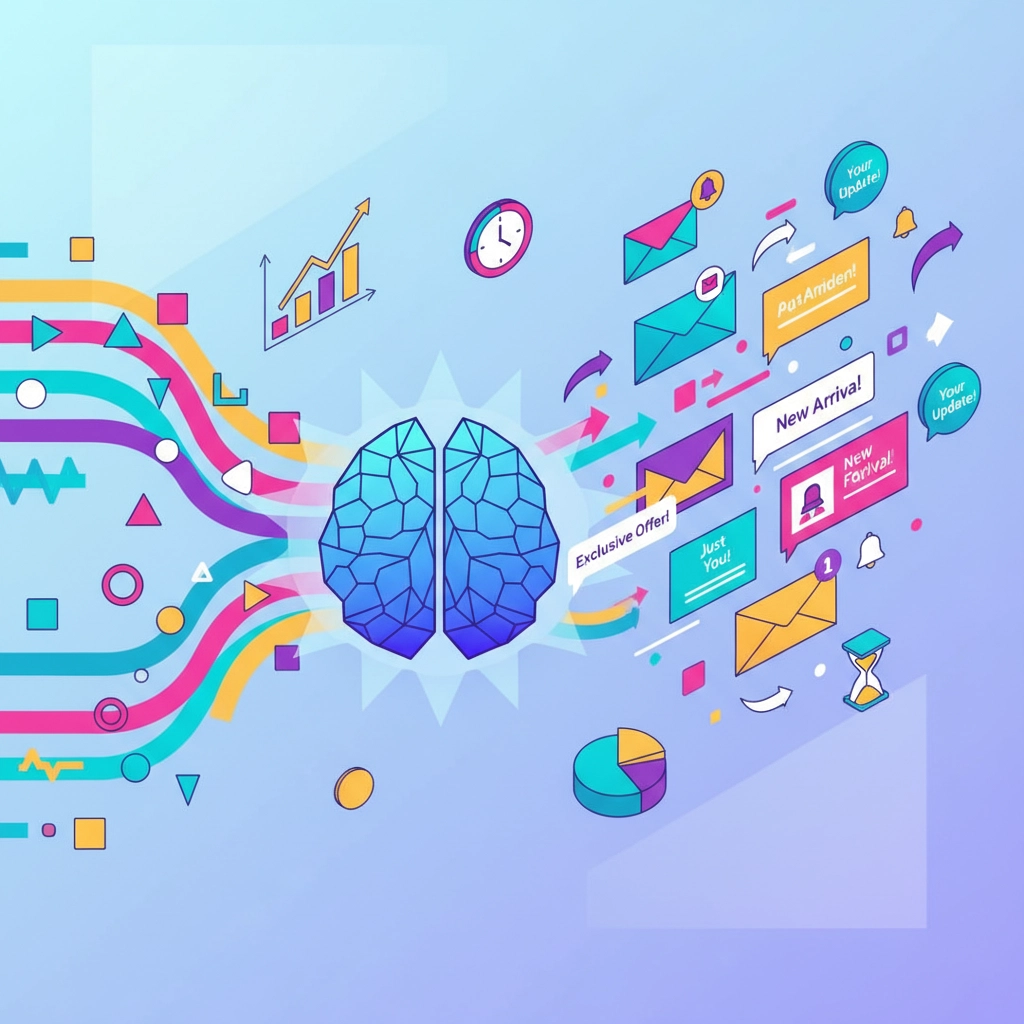
Machine learning algorithms excel at identifying patterns humans miss. These tools analyze vast datasets to predict customer behavior and optimize campaign timing.
Deploy AI for:
- Next-best-action recommendations: What products should you promote to specific customers?
- Optimal timing predictions: When is each customer most likely to engage?
- Churn risk identification: Which customers need retention campaigns?
- Cross-sell opportunities: What complementary products align with purchase history?
- Price sensitivity analysis: How do different customers respond to discounts vs. premium positioning?
Implementation strategy: Begin with email marketing automation tools that include predictive features, then expand to more sophisticated platforms as you scale.
Step 4: Create Context-Aware Messaging
Context transforms generic offers into compelling, personalized experiences. Your messaging should adapt to multiple contextual factors simultaneously.
Location-based personalization: A beauty brand adjusting homepage content based on local weather conditions sees 35% higher conversion rates. Promote moisturizers during dry seasons and sunscreen before sunny weekends.
Behavioral triggers: Deploy messaging based on specific user actions:
- Product page visits without purchases trigger educational content about benefits
- Cart abandonment initiates urgency-based offers with limited-time incentives
- Repeat purchases prompt loyalty program invitations and VIP benefits
- Wishlist additions generate availability alerts and price drop notifications
Timing optimization: Analyze when individual customers typically engage with your content. Send emails when recipients are most likely to open them, not when it’s convenient for your schedule.
Step 5: Execute Omnichannel Integration
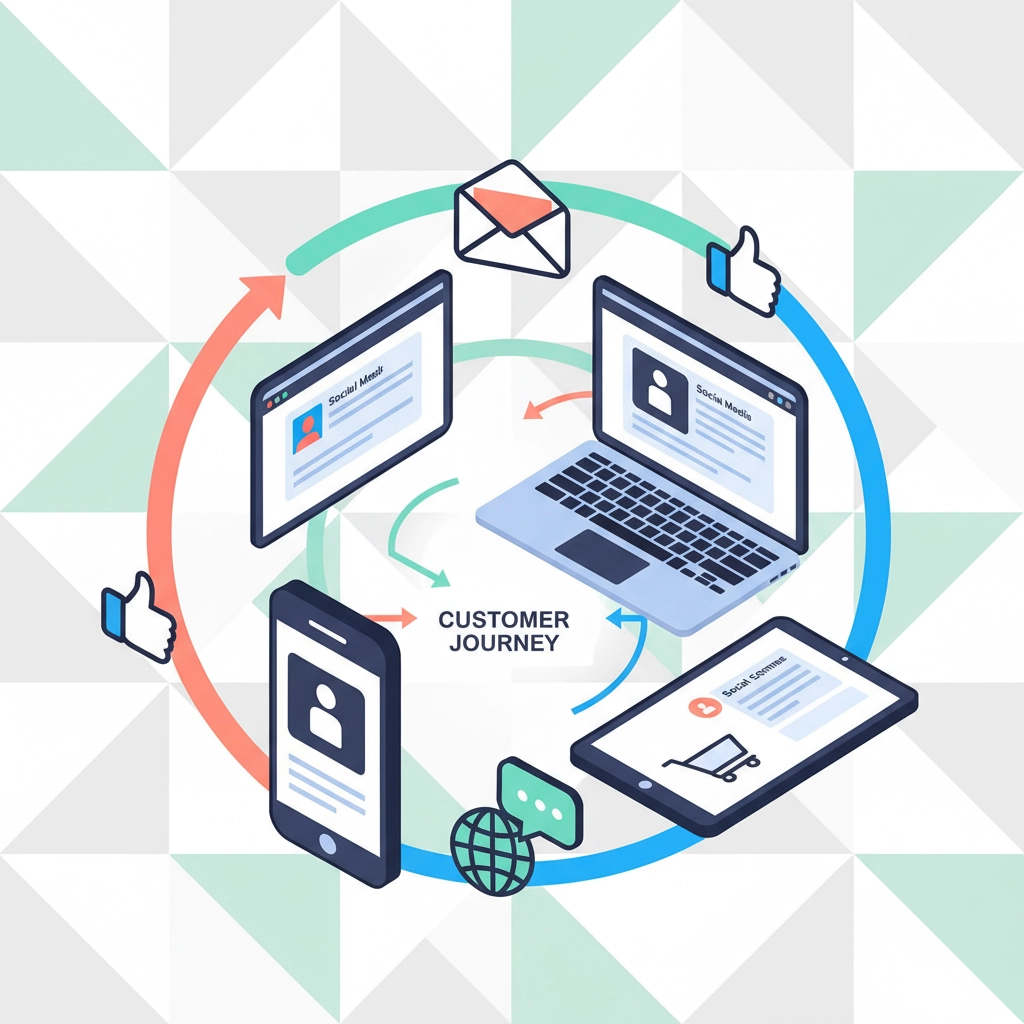
Hyper-personalization must function seamlessly across all customer touchpoints. Your personalized experience should remain consistent whether customers interact via email, social media, website, or in-store visits.
Channel synchronization strategies:
- Website visitors see personalized product recommendations based on email click history
- Social media ads reflect browsing behavior from your website
- Email campaigns reference social media engagement patterns
- In-store experiences acknowledge online purchase history
Measurement and optimization: Track customer journeys across channels to identify friction points and optimization opportunities.
Measurable Results: The 6x Lead Generation Impact
The quantified benefits of hyper-personalization extend far beyond theoretical improvements:
Email marketing results:
- Hyper-personalized emails generate 6x higher transaction rates than generic campaigns
- Open rates improve by 29% with advanced personalization
- Click-through rates increase by 41% with behavioral targeting
Advertising performance:
- Personalized ads deliver 3x return on investment compared to generic campaigns
- Cost per acquisition decreases by 38% with precise audience targeting
- Conversion rates improve by 52% when campaigns align with individual customer preferences
Customer lifetime value:
- Personalized experiences increase customer retention rates by 27%
- Average order values grow by 19% through targeted product recommendations
- Customer satisfaction scores improve by 33% with relevant messaging
Implementation Best Practices for Maximum Impact
Start with high-impact, low-complexity initiatives. Personalize email subject lines based on purchase history before implementing complex AI-driven product recommendations. Build momentum with quick wins that demonstrate clear ROI.
Prioritize data privacy and transparency. Customers willingly share personal information when they understand the value exchange. Clearly communicate how personalization benefits them and maintain rigorous data security standards.
Test everything continuously. Hyper-personalization strategies require ongoing optimization. A/B test different messaging approaches, timing strategies, and offer types to identify what resonates with each segment.
Invest in employee training. Your team needs to understand both the technology and strategy behind personalization. Provide comprehensive training on data interpretation, campaign optimization, and customer psychology.
Advanced Strategies for Competitive Advantage
Predictive personalization anticipates customer needs before they’re explicitly expressed. Analyze seasonal purchasing patterns to promote relevant products ahead of demand cycles. If customers historically buy winter coats in October, start personalized outerwear campaigns in September.
Dynamic content optimization adjusts website experiences in real-time based on visitor behavior. First-time visitors see educational content and brand introductions, while returning customers view personalized product recommendations and account-specific offers.
Collaborative filtering leverages community behavior to enhance individual experiences. “Customers like you also purchased” recommendations become more sophisticated when powered by comprehensive behavioral analysis rather than simple purchase correlations.
Overcoming Common Implementation Challenges
Data quality concerns: Clean, accurate data is essential for effective personalization. Implement regular data auditing processes and invest in data validation tools to maintain campaign integrity.
Technology integration complexity: Choose platforms designed for scalability and integration. Start with all-in-one marketing automation tools before expanding to specialized solutions.
Resource allocation: Personalization requires dedicated personnel and ongoing optimization. Budget for both technology costs and human resources to manage and refine campaigns.
The 2025 Competitive Reality
Businesses that postpone hyper-personalization implementation face escalating competitive disadvantages. Customer expectations continue rising while generic marketing becomes increasingly expensive and ineffective.
Early adopters are capturing disproportionate market share by delivering superior customer experiences. They’re building deeper customer relationships, achieving higher lifetime values, and creating sustainable competitive moats through data-driven insights.
The window for competitive advantage is narrowing. Companies implementing comprehensive personalization strategies now will establish market leadership positions that become increasingly difficult for competitors to challenge.
Your Next Steps Toward 6x Lead Generation
Stop wasting marketing budget on campaigns that treat all customers identically. The framework for hyper-personalized marketing is proven, accessible, and immediately implementable. Your competitors are already using these strategies to capture market share and build customer loyalty.
Ready to transform your marketing results with hyper-personalized campaigns that generate 6x more leads? Our team at Digital Traffic Factory specializes in implementing data-driven personalization strategies that deliver measurable ROI improvements.
Contact us today at 203-217-9496 or email robert@digitaltrafficfactory.com to discuss how we can help you build marketing campaigns that speak directly to individual customer needs and dramatically improve your conversion rates.
Don’t let another month pass with generic marketing campaigns that waste your budget and miss opportunities. The time for hyper-personalization is now.