Most local businesses are missing a massive opportunity hiding in plain sight. While everyone obsesses over Google rankings, Microsoft has quietly transformed Bing into a local search powerhouse that could dramatically boost your visibility: if you act now, before your competitors catch on.
The numbers don’t lie: Bing powers search across Windows, Edge, Copilot, and major AI assistants. Yet most businesses still treat Bing as an afterthought. This creates a perfect storm of opportunity for savvy business owners who understand what’s happening beneath the surface.
Why Bing Has Become Essential for Local Businesses in 2025
Microsoft didn’t just update Bing Places: they completely reimagined how local businesses can tap into their expanding ecosystem. When customers search from their Windows taskbar, use Microsoft Edge, or ask Copilot for recommendations, they’re accessing Bing-powered results. Your optimized Bing Places listing now appears across multiple Microsoft touchpoints without additional effort.
The real game-changer? AI integration. ChatGPT, Copilot, and other AI assistants increasingly pull business information from Bing when answering local queries like “find the best plumber near me” or “top-rated restaurants downtown.” This means your Bing Places listing can influence AI-generated recommendations: a completely new visibility channel that barely existed two years ago.
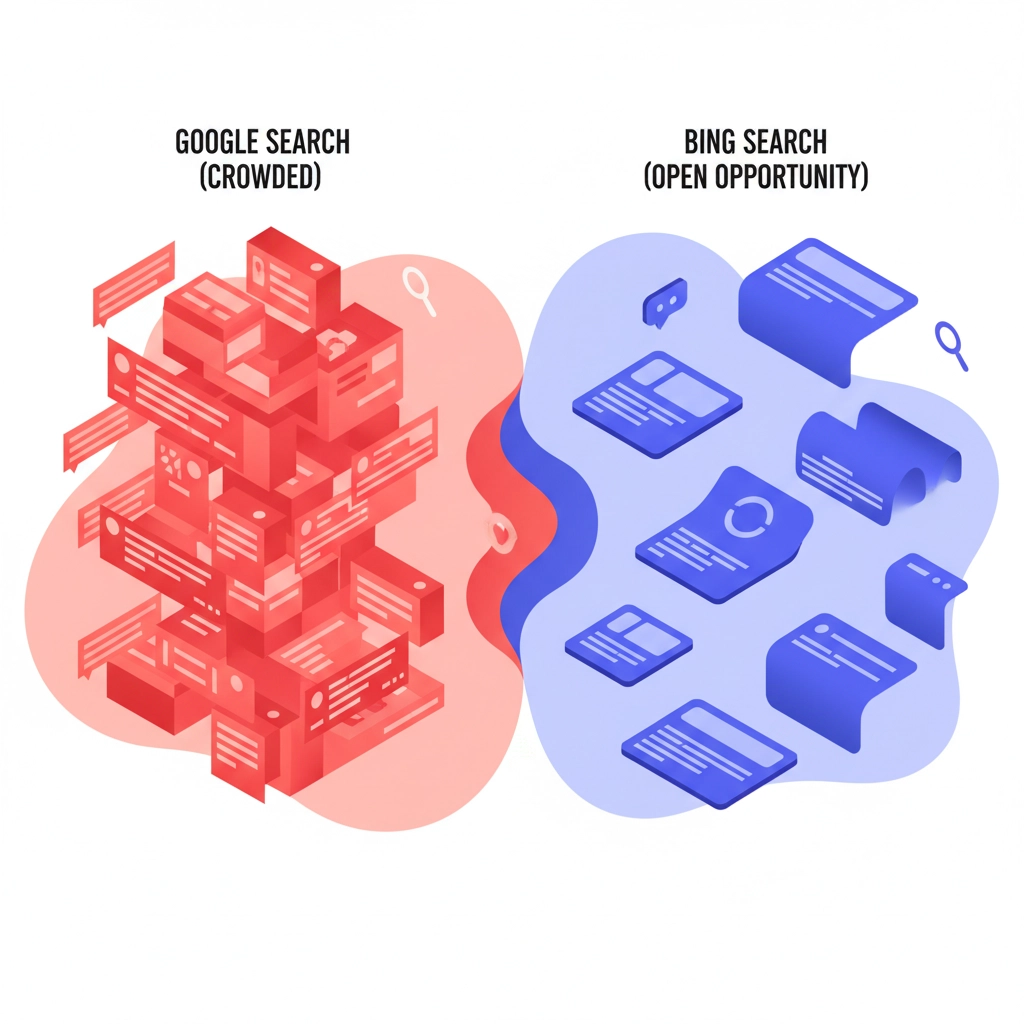
The competitive advantage is clear: while Google Local remains saturated with competitors, Bing offers significantly less competition for local visibility wins. Early movers are claiming prime real estate in a growing search ecosystem before the market realizes what’s happening.
What’s Actually New with Bing Places (And Why It Matters)
Microsoft rebuilt Bing Places for Business from the ground up in 2025, migrating everything to bing.com/forbusiness with features designed to eliminate previous pain points. Here’s what changed and why it creates immediate opportunities:
Streamlined Import and Management
The new Google Business Profile import process preserves critical data like business names, hours, and contact details while introducing bulk editing capabilities and real-time status updates. If you already had Bing Places listings, they migrated automatically without manual intervention.
This matters because most businesses haven’t updated their migrated listings yet. Acting now means you’ll have complete, accurate information while competitors are still working with incomplete profiles.
AI-Powered Recommendation Tool
Instead of guessing what information to include, Bing now evaluates your listing health and suggests specific, high-impact additions. The system recommends priority fields like photos, website links, operating hours, and category-specific details (menus for restaurants, service areas for contractors).
This guidance helps newer business owners optimize efficiently, but it also reveals exactly what Bing considers most important for ranking and visibility.
Deeper AI Integration Pathways
Microsoft plans extensive integration with Bing Maps and Copilot in upcoming updates, allowing your listing to feed directly into AI-generated search answers. Some language models already reference business data from Bing, positioning optimized listings for emerging discovery methods.
How These Changes Translate to Dramatic Visibility Gains
The visibility multiplication happens through several compounding factors that smart businesses can leverage immediately:
Multi-Platform Presence: A fully optimized Bing Places listing doesn’t exist in isolation. It strengthens your overall local footprint across Windows suggestions, voice assistants, AI summaries, and traditional search results. You’re essentially multiplying your local SEO surface area beyond just Google.
Different Ranking Factors: Bing’s algorithm emphasizes social signals and backlinks more heavily than Google in local search rankings. This creates opportunities to gain traction on Bing even if you’re struggling with Google rankings in competitive niches.
Growing User Base: Microsoft’s investment in Copilot across Office, Windows, and Edge means millions of users now have Bing-powered search integrated into their daily workflows. Voice assistants and smart device searches also run on Bing, creating multiple discovery pathways.
Less Saturated Competition: While everyone fights for Google visibility, Bing remains relatively uncrowded. This means your optimization efforts can yield outsized results compared to the same investment in Google-focused strategies.
Actionable Steps to Leverage Bing Places Updates Now
Step 1: Audit Your Current Bing Presence
Log into bing.com/forbusiness and verify your listing migrated correctly to the new interface. Cross-check all fields against your Google Business Profile to catch discrepancies before they impact visibility. Pay special attention to business name consistency, phone numbers, and operating hours.
Step 2: Use the Recommendation Tool Strategically
Access the new recommendation tool and prioritize suggested updates based on your business type. Focus first on:
- High-quality photos showing your location, products, or services
- Complete category selection (primary and secondary)
- Detailed business descriptions with local keywords
- Accurate service areas or delivery zones
Step 3: Optimize for Bing’s Ranking Factors
Since Bing weighs social signals and backlinks more heavily:
- Ensure your social media profiles link to your website
- Build local backlinks from chambers of commerce, industry associations, and local directories
- Encourage customer reviews across multiple platforms (not just Google)
- Create location-specific content that naturally attracts local links
Step 4: Monitor and Measure Performance
Track these key metrics to measure your Bing Places optimization results:
- Bing Places Insights (views, clicks, directions, phone calls)
- Website analytics filtered for Bing referral traffic
- Local keyword rankings in Bing search results
- Review volume and rating trends across platforms
Don’t wait for perfect data: start tracking now so you can measure improvement over time.
Why Your Competitors Haven’t Caught On Yet
The competitive advantage window exists because most businesses and SEO professionals still treat Bing as optional. They see Google’s market share dominance and stop thinking strategically about diversification. This institutional blindness creates your opportunity.
Early adopters will own local visibility in their categories on Bing for months before competitors recognize the potential. By the time they start optimizing in 2026 or 2027, you’ll have accumulated months of positive signals, reviews, and visibility momentum that becomes increasingly difficult to overcome.
The businesses that act now will establish compound advantages that persist long after Bing optimization becomes standard practice.

Easy Wins for Small Businesses Starting Today
Small businesses actually have advantages in leveraging these Bing Places updates:
Local Focus: Bing’s integration with Windows and Edge creates strong local search opportunities. Many small business customers use these platforms daily without realizing they’re searching through Bing.
Less Technical Complexity: The new Bing Places interface is more intuitive than previous versions, making optimization accessible without extensive technical knowledge.
Cost-Effective Differentiation: While competitors pour money into Google Ads and SEO, you can gain Bing visibility through optimization effort rather than advertising spend.
AI Assistant Advantage: Local businesses providing services like restaurants, repair shops, and professional services are exactly what AI assistants recommend when users ask for local suggestions.
The Strategic Timing Advantage
This isn’t just about adding another platform to your marketing mix: it’s about claiming territory in a growing ecosystem before it becomes crowded. Microsoft’s expanding integration of Bing across their products means your early optimization work will compound over time as more users encounter Bing-powered search in their daily workflows.
The businesses that establish strong Bing Places presence now will benefit from months or years of reduced competition while building authority signals that become harder for late movers to overcome.
Consider this: every month you delay gives competitors more time to discover this opportunity. Every complete listing, positive review, and optimization improvement you make now creates a stronger foundation for long-term local search dominance.
Take Action Before the Window Closes
The early adopter advantage in Bing Places optimization won’t last forever. As more businesses recognize the potential, competition will increase and the easy wins will disappear. The businesses that act now: while competitors remain focused solely on Google: will establish positioning that compounds over time.
Your next step is simple: log into bing.com/forbusiness, audit your listing, and implement the optimization strategies outlined above. Start with the highest-impact changes first, then build momentum with consistent improvements over time.
The opportunity is real, the tools are ready, and your competitors are still sleeping. The question isn’t whether you should optimize your Bing Places listing: it’s whether you’ll claim this advantage before everyone else catches on.
Ready to unlock the Bing Places opportunity for your business? Digital Traffic Factory helps local businesses dominate search across all platforms, not just Google. Contact us at robert@digitaltrafficfactory.com or call 203-217-9496 to discuss how we can position your business for maximum local search visibility before your competitors catch on.