
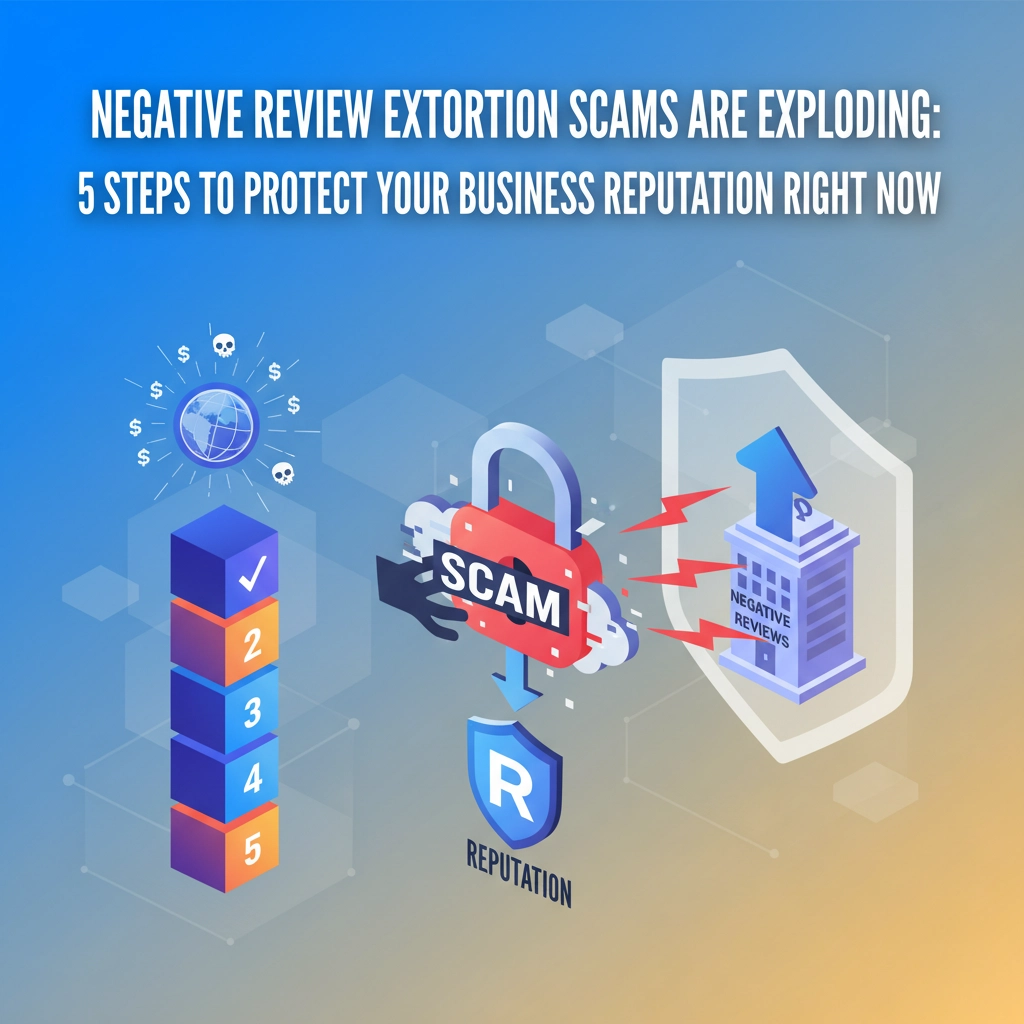
Negative review extortion scams have reached epidemic proportions in 2025, with thousands of businesses falling victim to coordinated attacks designed to destroy their online reputation and extract ransom payments. These sophisticated schemes are targeting businesses across every industry, from local restaurants to professional service providers, causing immediate revenue loss and long-term reputational damage.
The urgency cannot be overstated: businesses that fail to respond correctly to these attacks often see their Google ratings plummet overnight, losing potential customers who judge their credibility based on online reviews. However, businesses that understand the tactics and implement proper protection strategies can not only defend themselves but emerge stronger than before.
Why Review Extortion Scams Are Exploding in 2025
The dramatic increase in review extortion scams stems from several converging factors. First, the economic pressures of 2025 have created more desperate actors willing to engage in fraud, while the digital sophistication of criminal networks has improved dramatically. Scammers have discovered that most business owners panic when faced with a sudden barrage of negative reviews, making them easy targets for extortion.
More concerning is the low barrier to entry for these attacks. Creating fake Google accounts costs nothing, and communication channels like WhatsApp and Telegram provide anonymity for criminals. The potential payoff is substantial: many businesses pay hundreds or thousands of dollars to make the problem disappear quickly, creating a lucrative criminal enterprise.

The psychological manipulation is particularly effective because business owners see their carefully built reputation destroyed in hours. A restaurant that maintained a 4.8-star rating for years can drop to 2.3 stars overnight, triggering immediate customer concern and reservation cancellations. This creates the perfect storm for successful extortion.
Understanding the Two-Stage Attack Pattern
Modern review extortion operates as a sophisticated two-stage assault. The first phase involves “review bombing”: flooding your Google Business Profile with multiple fake negative reviews in a compressed timeframe. These reviews typically come from newly created accounts with no profile photos, minimal activity history, and generic usernames.
The fake reviews often share similar language patterns, focusing on vague complaints like “terrible service,” “unprofessional staff,” or “would not recommend.” The reviews appear within hours or days of each other, creating an obvious pattern that legitimate customer complaints would never follow.
Stage two launches immediately after the review bombing. Scammers contact you directly through WhatsApp, Telegram, email, or social media with explicit extortion demands. They threaten that the negative reviews will remain permanently unless you pay money, provide free services, or send gift cards and cryptocurrency. They often claim to have the power to add more negative reviews if you refuse their demands.
The 5 Essential Steps to Protect Your Business Right Now
Step 1: Never Engage or Pay the Extortionists
This is the most critical rule that determines whether you become a repeat target or successfully defend your business. Do not respond to extortion demands under any circumstances, regardless of how much pressure they apply or how urgent their threats sound.
Paying these criminals accomplishes nothing positive. Payment does not guarantee review removal, and it immediately marks your business as a willing victim for future attacks. Scammers maintain lists of businesses that pay, sharing this information across criminal networks to maximize their profits.
The engagement trap is equally dangerous. Responding to their messages: even to refuse payment: signals that you’re actively monitoring their communications and potentially willing to negotiate. This can escalate their pressure tactics and make you a higher-priority target.
Document their contact attempts but maintain complete radio silence. This approach forces them to move on to easier targets while preserving your legal position if law enforcement becomes involved.
Step 2: Immediately Document All Evidence
The moment you suspect a review extortion attack, begin systematically collecting evidence. This documentation becomes crucial for reporting to Google, supporting law enforcement investigations, and protecting your business legally.
Screenshot every suspicious review, capturing the reviewer’s name, profile information, review content, and timestamp. Pay special attention to accounts with no profile photos, recent creation dates, or minimal review history. These indicators help establish the fraudulent nature of the attack.
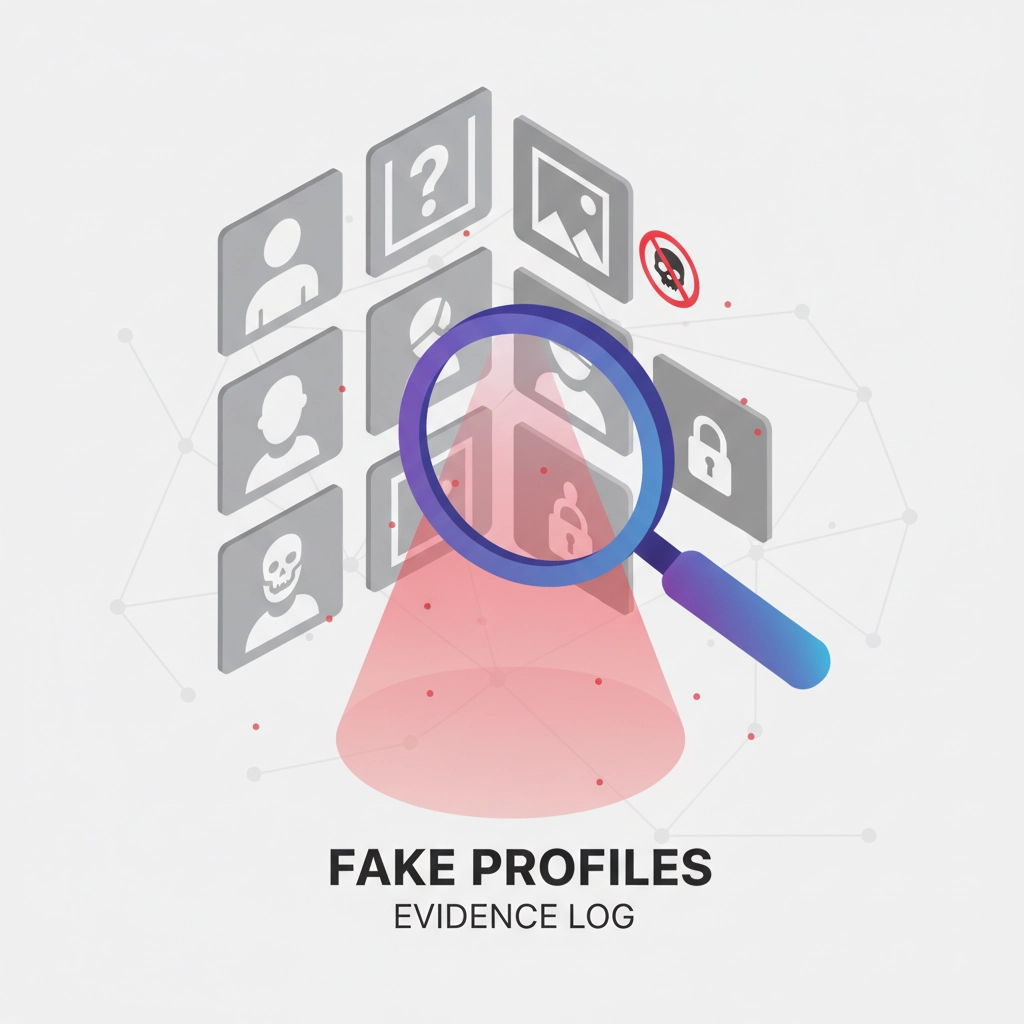
Preserve all communications from the scammers across every platform. Save WhatsApp messages, Telegram conversations, emails, social media direct messages, and any other contact attempts. Include timestamps and create organized digital folders to maintain this evidence systematically.
Critical documentation elements include:
- Screenshots of all fake reviews with full reviewer profiles visible
- Complete conversation threads with scammers
- Timestamps showing the compressed timeframe of review bombing
- Evidence of similar language patterns across fake reviews
- Screenshots of your business rating before and after the attack
This evidence package becomes your foundation for successful resolution through official channels.
Step 3: Report Through Google’s Dedicated Extortion Form
Google launched a specialized merchant extortion report form in October 2025, acknowledging the severity of this problem and streamlining the resolution process. This dedicated channel has proven significantly more effective than general review dispute mechanisms.
Access the form through your Google Business Profile while logged into your business account. The form requires specific information about your business, detailed descriptions of the extortion attempt, and comprehensive evidence of the fraudulent activity.
Complete the form with precision:
- Provide your business information and affected Google Business Profile details
- Describe the review bombing pattern with specific dates and reviewer information
- Upload evidence of extortion communications showing explicit demands for payment
- Include screenshots demonstrating the artificial nature of the review surge
Reports submitted through this official channel receive priority processing, with many businesses reporting successful removal of fraudulent reviews within days rather than weeks. The key is providing comprehensive evidence that clearly establishes the extortion attempt.
Step 4: Respond Professionally to Fake Reviews (Strategic Option)
While Google processes your extortion report, consider posting measured, professional public responses to the fraudulent reviews. This strategy serves multiple purposes: it signals to potential customers that you’re actively managing your online presence, demonstrates transparency, and can actually strengthen customer trust when handled correctly.
Craft responses that acknowledge the review without admitting fault or appearing defensive. A professional response might read: “We take all customer feedback seriously and are committed to providing excellent service. We’d welcome the opportunity to discuss your experience directly to understand how we can improve.”

This approach accomplishes several objectives simultaneously. It shows potential customers that you care about feedback and are willing to address concerns. It also creates a public record of your professional handling of the situation, which can actually enhance your reputation among customers who recognize manufactured negativity.
Avoid these response mistakes:
- Accusatory language that labels reviews as fake
- Defensive explanations that make you appear guilty
- Emotional responses that suggest poor customer service
- Threats or aggressive language toward reviewers
Maintain professional composure in all public responses, treating them as opportunities to demonstrate your commitment to customer satisfaction.
Step 5: Build a Strong Positive Review Foundation
The most effective long-term protection against review extortion involves building a robust foundation of authentic positive reviews from satisfied customers. This strategy provides insulation against fake negative reviews while demonstrating your business’s credibility to potential customers.
Develop systematic processes for encouraging satisfied customers to share their experiences online. This might include follow-up emails after successful transactions, gentle requests during checkout processes, or incentive programs that reward honest feedback.
Effective review generation strategies:
- Personalized follow-up communications thanking customers and inviting feedback
- Strategic timing of review requests when customer satisfaction is highest
- Multiple platform presence beyond Google (Yelp, Facebook, industry-specific sites)
- QR codes or direct links that simplify the review submission process
- Staff training on appropriate ways to request customer feedback
However, maintain strict compliance with Google’s review policies. Never engage in review gating (asking only satisfied customers to review), never offer incentives specifically for positive reviews, and never create fake positive reviews to counteract negative ones.
A business with 200+ authentic positive reviews can absorb a handful of fake negative reviews without significant impact on overall rating or customer perception. This buffer effect makes your business a less attractive target for future extortion attempts.
Critical Mistakes That Worsen the Situation
Several common responses to review extortion actually escalate the problem and should be avoided completely. Threatening the scammers or attempting negotiation signals engagement and can trigger more aggressive attacks. These criminals often work in networks, and aggressive responses from victims can result in coordinated revenge attacks across multiple platforms.
Never make these critical errors:
- Offering any form of payment or compensation to resolve the situation
- Engaging in public arguments with fake reviewers
- Reporting legitimate negative customer reviews as extortion without evidence
- Attempting to create fake positive reviews to counteract fake negative ones
- Ignoring the problem hoping it will resolve itself
Mass reporting genuine customer complaints as extortion can trigger restrictions on your business profile, creating additional problems beyond the original extortion attempt. Google’s systems can penalize businesses that abuse the reporting process, potentially limiting your ability to manage your online presence effectively.
When to Involve Law Enforcement
Certain extortion situations warrant immediate law enforcement involvement, particularly when threats escalate beyond simple review manipulation or when evidence suggests organized criminal networks.
Contact local police when extortion demands involve substantial monetary amounts, explicit threats against your business or employees, or evidence of organized fraud operations targeting multiple businesses in your area. Law enforcement agencies are increasingly recognizing review extortion as a serious crime worthy of investigation and prosecution.
Maintain all documentation for potential law enforcement use, as criminal investigations require comprehensive evidence to proceed effectively. Your systematic evidence collection serves dual purposes: supporting Google’s review removal process and providing law enforcement with the foundation for criminal prosecution.
Protecting Your Business’s Future
The businesses that successfully navigate review extortion attacks share common characteristics: they respond quickly, refuse to engage with criminals, use official reporting channels effectively, and maintain professional public communications throughout the crisis.
More importantly, they use the experience as motivation to strengthen their overall online reputation management strategies. This includes diversifying their review presence across multiple platforms, implementing systematic customer feedback collection processes, and developing crisis response protocols for future attacks.
Your business’s online reputation represents years of hard work and customer satisfaction. Protecting it requires understanding modern threats, implementing proper defensive strategies, and working with experienced professionals who understand the evolving landscape of digital reputation management.
Don’t let review extortionists destroy what you’ve built. Take immediate action using these proven strategies, and consider working with digital marketing experts who understand the complexities of modern reputation management.
Ready to protect your business from review extortion and strengthen your online reputation? Contact Digital Traffic Factory today for expert guidance on reputation management strategies that work. Call us at 203-217-9496 or email robert@digitaltrafficfactory.com to discuss how we can help safeguard your business’s digital presence and ensure your customers find the authentic representation of your quality service.